Pakistan's central bank cuts key policy rate by 150 basis points


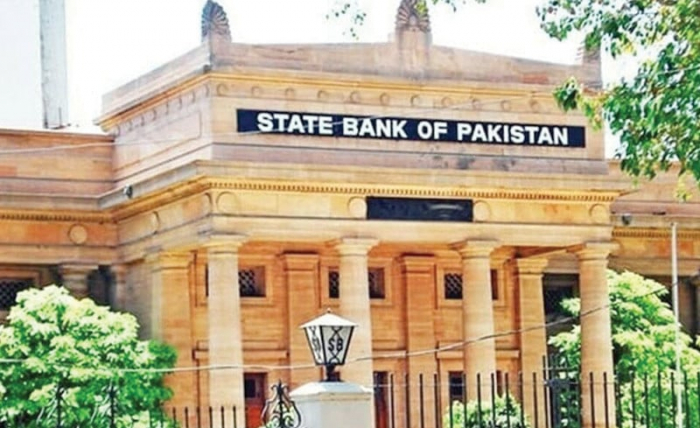
The State Bank of Pakistan (SBP) on Monday announced a reduction in the key policy rate of 150 basis points (bps) to 20.5 percent with effect from Tuesday.
Official data showed that the Monetary Policy Committee of the SBP decided to cut the policy rate after keeping it at 22 percent for almost 12 months.It is also the first-rate drop in the policy rate in four years, with the previous reduction taking place in June 2020 during the COVID-19 pandemic.
The decision to lower the key interest rate came just ahead of the annual budget announcement and following last week's inflation data which showed inflation slowed to a 30-month low of 11.8 percent in May.
"The Monetary Policy Committee (MPC) assessed that underlying inflationary pressures are also subsiding amidst a tight monetary policy stance, supported by fiscal consolidation," said the SBP in a statement, adding that the cumulative impact of the earlier monetary tightening is expected to keep inflationary pressures in check.
"The MPC noted that the real interest rate still remains significantly positive, which is important to continue guiding inflation to the medium-term target of 5-7 percent," said the SBP, emphasizing that the future monetary policy decisions will remain data-driven and responsive to evolving developments related to the inflation outlook.
"Second, reduction in the current account deficit has helped improve the foreign exchange reserves to around 9 billion U.S. dollars despite large debt repayments and weak official inflows," said the statement.
"The government has also approached the IMF (International Monetary Fund) for an Extended Fund Facility program, which is likely to unlock financial inflows that will help in further build-up of FX (foreign exchange) buffers," according to the SBP.
The central bank added that the real gross domestic product (GDP) growth remained moderate at 2.4 percent in the current fiscal year from July 2023 to June 2024, with industry and services showing subdued recovery while agriculture performed strongly.


Similar news