Physical and moral development of youth — A foundation for a strong and sustainable society


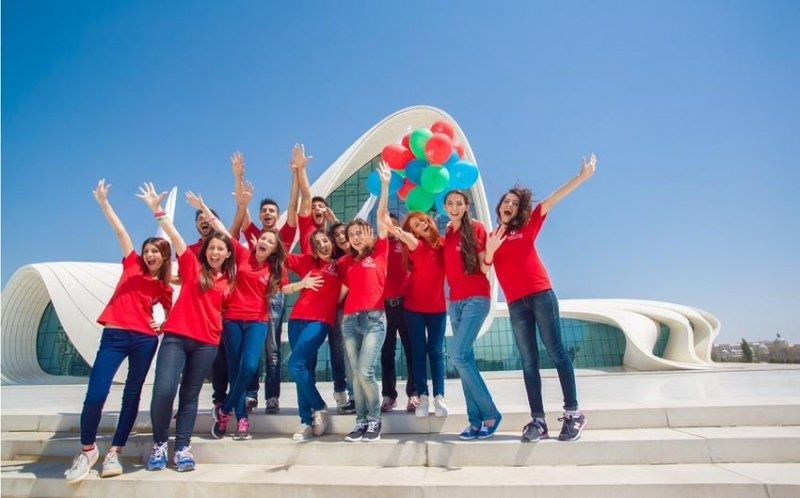
For any society aspiring to progress and stability, raising the younger generation is a top priority.
This involves far more than formal education or recreational activities — it requires a comprehensive and harmonious development of children and youth, both physically and morally.
It is the young generation that shapes a nation’s future, determines its strength, resilience, and long-term success. In this regard, Azerbaijan offers a compelling example. For decades, the state has been consistently and purposefully working to create favorable conditions for raising educated, patriotic, and healthy youth. The construction of schools, kindergartens, sports complexes, and youth centers is not just about infrastructure — it is a strategic investment in the nation’s future. What’s particularly noteworthy is that these efforts extend beyond the capital, Baku.
Educational and sports institutions that meet modern standards are being established across the country — including in remote villages and regions. This reflects a well-planned, inclusive national policy that ensures every child, regardless of where they live, has access to quality education and development opportunities. In today’s fast-paced world, falling behind in science and education is equivalent to falling behind in every other sphere. That’s why it is essential for Azerbaijani youth to study modern curricula, gain international experience, and master advanced technological skills.
The development level of any society is directly linked to the education and upbringing of its younger generation. In Azerbaijan, the continuous increase in the number of educational institutions, the construction of new schools, and the modernization of existing ones clearly demonstrate the importance the state places on this sector. However, knowledge alone is not enough. Physical well-being is just as vital. The saying “a healthy mind in a healthy body” remains as relevant as ever. Physically fit young people are a reliable pillar for society, especially in times of crisis or conflict. This was vividly demonstrated during the Patriotic War, where Azerbaijani youth showed exceptional physical endurance and patriotism.
Their courage, resilience, and unwavering commitment to protecting their homeland remain a shining example for future generations. Yet patriotism does not develop in isolation. It is the result of a well-formed value system and a strong sense of moral identity. Raising youth in the spirit of national traditions, love for the motherland, and respect for history, language, and culture is a powerful tool for building civic consciousness. This process begins in the family, where a child first learns about love, responsibility, and respect. It is then strengthened in schools and society. For this reason, the role of adults — parents, teachers, and public figures — is critical.
Their behavior and guidance help shape the moral compass of the younger generation. Psychologists emphasize the importance of establishing a healthy parent-child relationship model. Neither excessive control nor complete freedom benefits a child. It is crucial for children to feel supported and trusted, while also being encouraged to develop autonomy and decision-making skills. This is especially important for hyperactive children, whose energy should not be suppressed, but redirected constructively — through sports, arts, or social engagement.
This not only builds skills but fosters self-confidence and a sense of social responsibility. Moral development cannot be limited to symbolic gestures or formal events. True personal growth requires meaningful engagement with national heritage: visiting museums, exploring historical sites, participating in national celebrations and volunteer initiatives. These experiences expand horizons and foster a sense of belonging and cultural pride. All of this is possible only when the state recognizes the importance of its mission in this area.
This was clearly understood by National Leader Heydar Aliyev, who in 1994 initiated the creation of the Ministry of Youth and Sports — laying the foundation for a systematic approach to youth policy. His vision was to raise a generation that was not only educated but morally grounded, physically strong, and deeply patriotic. Today, this policy is being successfully continued by President Ilham Aliyev and First Vice President Mehriban Aliyeva, who are enhancing it with modern approaches and innovations.
The development of youth is not solely the responsibility of families or schools — it is a shared duty of the entire society and the state. Every citizen, institution, and organization must recognize their role in this process. Educating a healthy, intelligent, and ethically sound generation is not just a noble goal — it is the key to a strong, stable, and prosperous Azerbaijan. Therefore, more than ever, there is a need to unite the efforts of all stakeholders — parents, educators, scientists, cultural leaders, media, and young people themselves — to create an environment in which every child and adolescent can thrive, unlock their potential, and become an active contributor to society.
By Rovshan Sayyaroglu
The material was prepared with the financial support of the Media Development Agency of the Republic of Azerbaijan.


Similar news