Strait of Hormuz blockade: Shipping giants pivot to land routes


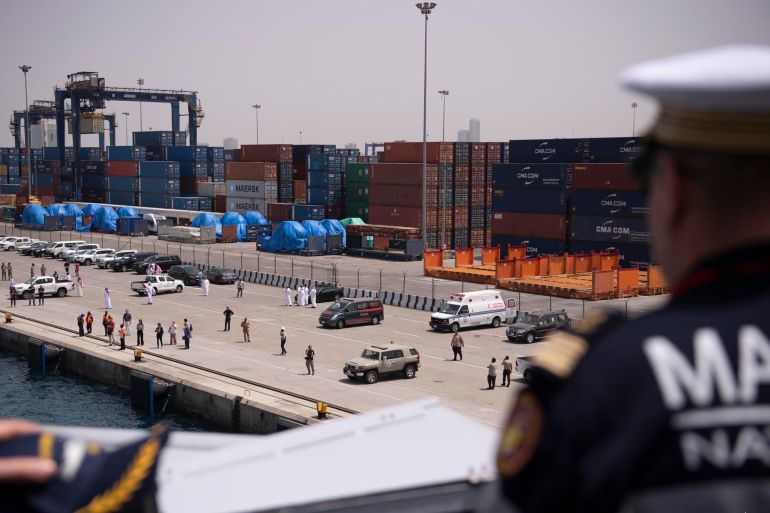
The reported closure of the Strait of Hormuz is forcing a major shift in regional logistics, with container shipping traffic increasingly rerouted to land-based corridors.
With sea access to several Gulf states disrupted, shipping companies are now relying on alternative overland routes to move goods such as food supplies and manufactured products. Cargo is being offloaded at ports outside the restricted zone and transported by truck across regional highways, News.Az reports, citing AFP.
One of the key emerging hubs is the port of Jeddah on the Red Sea. Vessels operated by major global shipping firms including MSC, CMA CGM, Maersk, and Cosco are now arriving via the Suez Canal before goods are redistributed inland.
RECOMMENDED STORIES
From Jeddah, cargo is transported overland to destinations including Sharjah, Bahrain, and Kuwait—areas that have reportedly not received direct maritime shipments for the past two months. Industry sources say this rapid shift is placing pressure on port infrastructure and creating congestion risks.
Logistics experts note that Jeddah was not originally designed to handle such high import volumes, raising concerns about bottlenecks as trade continues to adjust.
In response to ongoing disruption, shipping operators are also using alternative regional ports such as Sohar in Oman, Khor Fakkan and Fujairah in the United Arab Emirates, and Aqaba in Jordan. These hubs are being integrated into expanded land-sea supply chains linking Iraq and other inland markets.
A corridor through Türkiye is also being used to move goods toward northern Iraq, reflecting a broader restructuring of trade flows in response to the maritime blockage.
The situation highlights how disruptions in key global chokepoints can rapidly reshape logistics networks, pushing trade toward hybrid sea-land systems to maintain supply continuity.
By Aysel Mammadzada


Similar news