Study links Thalassemia to increased risk of reduced muscle function


A recent study highlighted by Hematology Advisor suggests that individuals with thalassemia are at a significantly higher risk for reduced muscle function and sarcopenia.
Research indicates that patients with transfusion-dependent thalassemia often experience decreased muscle mass and strength compared to healthy peers, News.Az reports, citing Hematology Advisor.
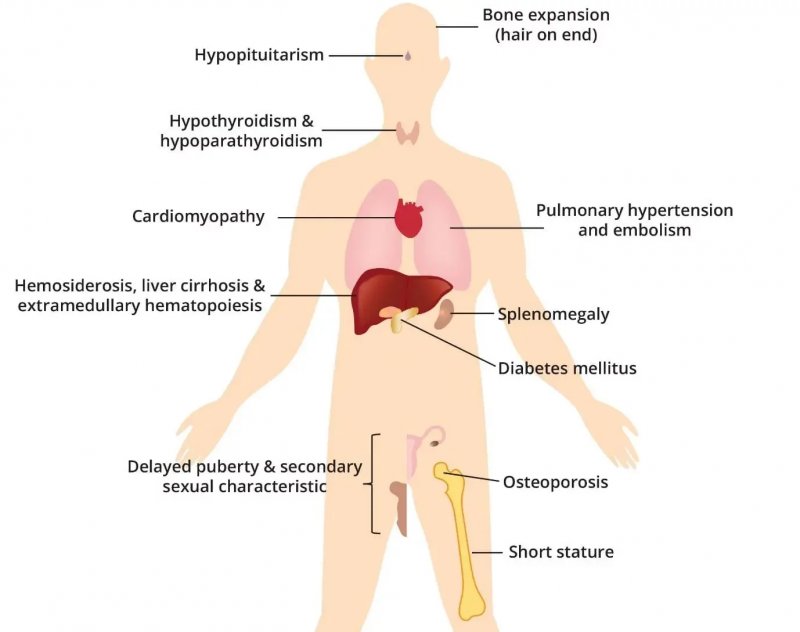
This decline is attributed to several factors, including chronic anemia, iron overload in muscle tissues, and the systemic inflammatory environment associated with the disorder.
RECOMMENDED STORIES
The study emphasizes that iron chelation therapy and regular blood transfusions, while essential for survival, do not fully mitigate the risk of muscle deterioration. Furthermore, hormonal imbalances—such as growth hormone deficiency or hypogonadism resulting from iron deposits in endocrine glands—are believed to exacerbate muscle wasting. Researchers noted that even patients with non-transfusion-dependent thalassemia are susceptible to these risks due to cumulative iron absorption and ineffective red blood cell production.
To address these complications, experts suggest that clinical management should go beyond monitoring hemoglobin and iron levels. The study recommends incorporating regular assessments of physical performance and muscle mass into routine care. Additionally, specialized nutritional support and tailored resistance exercise programs are identified as potential strategies to preserve physical function and improve the overall quality of life for those living with thalassemia.
By Leyla Şirinova


Similar news