Sweden: Russia masking deep economic troubles


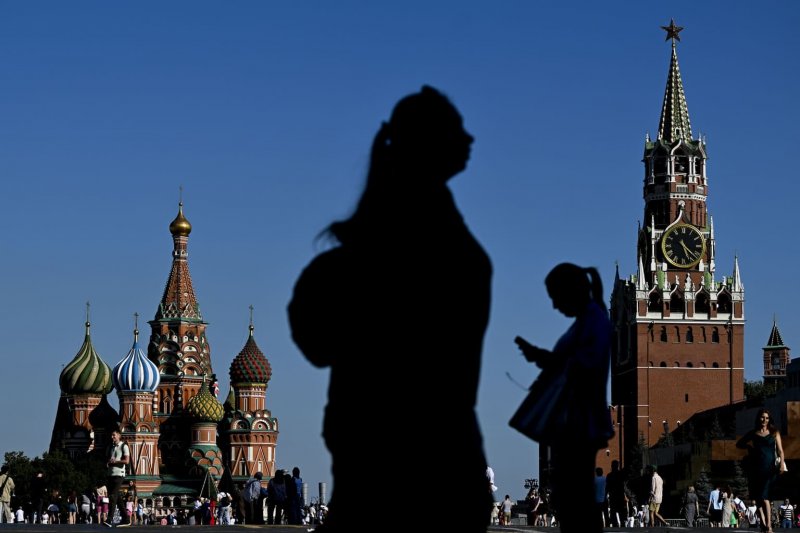
Russia’s economy could be heading toward a “financial disaster,” according to Sweden’s military intelligence chief, who warns that Moscow may be concealing the true scale of its economic problems.
Thomas Nilsson said in an interview with the Financial Times that Russia is likely manipulating key economic data to project resilience despite sanctions and heavy wartime spending, News.Az reports.
According to Swedish intelligence estimates, Russia may be understating its budget deficit by around $30 billion. Inflation could also be significantly higher than official figures suggest.
RECOMMENDED STORIES
While Moscow reports inflation below 6%, Nilsson pointed to the country’s 15% key interest rate as evidence that real inflationary pressure is much stronger.
Rising oil prices have temporarily supported Russia’s economy, particularly amid global tensions linked to the U.S.-Israel-Iran tensions.
However, Sweden believes Russia would need oil prices above $100 per barrel for an extended period just to cover its budget deficit—an unsustainable condition in the long run.
Nilsson warned that the country is effectively “living on borrowed time.”
The intelligence chief outlined two likely scenarios for Russia’s economic future:
A prolonged period of gradual decline
A sudden economic shock
“Either way, they will continue on a downslope to a financial disaster,” he said.
Recent data suggests the slowdown is already underway. Russia’s GDP growth dropped sharply from 4.9% in 2024 to around 1% in 2025, with further contraction reported in early 2026.
Vladimir Putin has acknowledged the challenges, urging officials to stabilize the economy and return to sustainable growth.
Despite official reassurances, concerns remain that internal reporting may not fully reflect the scale of the problem—even at the highest levels of government.
As pressure from sanctions, military spending, and structural weaknesses builds, analysts warn that Russia’s economic resilience could prove more fragile than it appears.
By Aysel Mammadzada


Similar news