Robots don't bleed: Ukraine deploys autonomous machines to the frontline


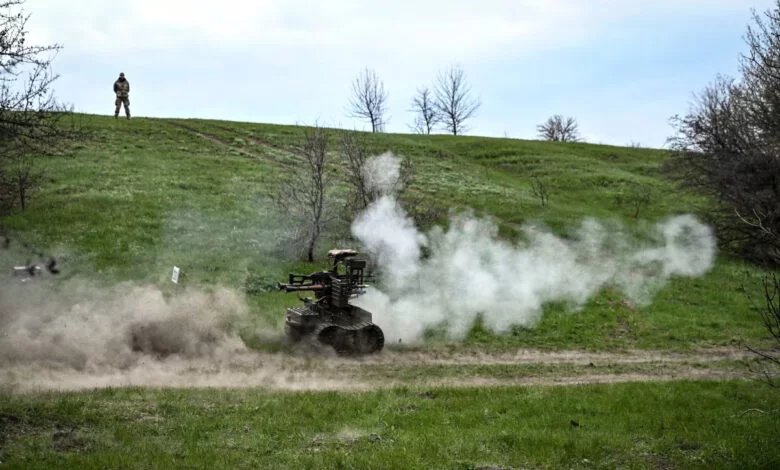
As the conflict in Ukraine continues to evolve, a new and silent force is taking up positions on the battlefield: autonomous and semi-autonomous robots.
According to a recent report by Egypt Independent, the Ukrainian military is increasingly sending machines into high-risk zones to perform tasks once reserved for human soldiers, News.Az reports, citing Egypt Independent.
Driven by the grim reality of personnel shortages and the high cost of human life, this shift toward robotic warfare is transforming the frontline into a laboratory for cutting-edge technology. From ground-based kamikaze drones to automated logistics carriers, these machines are being deployed with a simple but powerful mantra: "robots don't bleed."
RECOMMENDED STORIES
The deployment of these mechanical units focuses on several key areas, most notably casualty evacuation and "suicide" missions against enemy armor. By using remote-controlled ground vehicles (UGVs) to ferry supplies to the trenches or extract wounded soldiers under fire, Ukraine is significantly reducing the exposure of its medical and logistics teams. Furthermore, the integration of AI-driven targeting systems allows these robots to operate in environments where electronic warfare has jammed traditional radio signals, making them more resilient than standard remotely piloted drones. This technological pivot is not just about efficiency; it is a strategic necessity for a nation looking to preserve its remaining human force.
However, the rise of the machines on the battlefield brings with it a host of ethical and tactical complexities. While these robots can operate without fear or fatigue, the transition to automated killing has raised concerns among international observers regarding the lack of human oversight in life-or-death decisions. On the ground, soldiers report a mixed sense of relief and unease as they fight alongside metal counterparts. The "roboticization" of the war has also triggered a rapid arms race in counter-robot technology, with both sides developing specialized electronic nets and "interceptor" drones designed to hunt down and disable these autonomous intruders.
Despite these challenges, the success of these machines is likely to dictate the future of modern infantry combat. As the software governing these robots becomes more sophisticated, they are expected to move from simple support roles to leading direct assaults.
The Ukrainian experience is providing the world with a first-hand look at a future where the density of a frontline is measured in processing power and battery life rather than the number of boots on the ground. For now, the primary goal remains unchanged: keeping human soldiers as far from the direct line of fire as possible, letting the machines bear the physical brunt of the war.
By Leyla Şirinova


Similar news