Texas oil regulator under scrutiny as zombie wells gush back to life


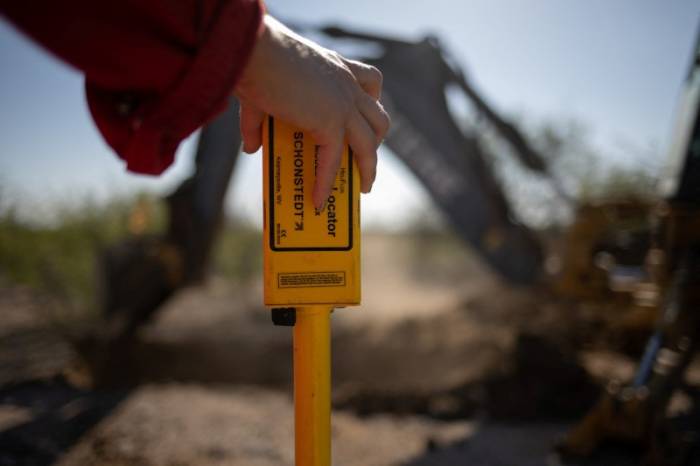
On a sprawling ranch in Pecos County in late July, oil well control specialist Hawk Dunlap used a backhoe to uncover an abandoned or so-called zombie well that had sprung back to life despite being plugged just over a year earlier, hissing gas and bubbling toxic water into the dry Texas dirt, News.az reports citing Reuters .
Dressed in bright red coveralls and a silver hard hat, Dunlap hopped off the machine and into the hole to clear away remaining soil with a shovel, and then picked up a brittle chunk of cement that was part of the casing meant to keep fluids and gases underground. He crushed the cement into dust with a light squeeze of his fingers as the Briggs family, who own the ranch, formed a circle around him."This was not plugged properly," Dunlap said. "This is the work of the three stooges of the Railroad Commission."
The Railroad Commission (RRC) is the regulatory body that, despite its name, oversees oil and gas operations in Texas. And Dunlap, a three-decade veteran of oil fields around the globe, has become one of its most vocal critics.
Armed with a portable gas detector and mobile phone, Dunlap has spent much of the last two-and-a-half years documenting a flurry of oil well blow-outs and leaks across West Texas at the behest of landowners, in an epidemic he says is being caused by low-quality plugging jobs left behind by operators and their contractors and approved by the RRC.
He and his partner Sarah Stogner, an oil and gas lawyer who documents their work on social media, say they have now recorded over 100 leaking legacy or "orphan" wells with no responsible owner, which were listed in RRC records as properly plugged, including the one at the Briggs Ranch in Pecos County.
Reuters reporting in West Texas, along with interviews with landowners and experts and a review of RRC records show why the state regulator is under increased pressure to step up its oversight. The added scrutiny comes at a time when over the last two years, more and more abandoned wells have started to spill or even gushed geyser-like, formed salt and chemical-laden lakes or caused sinkholes.
Making matters worse is the rising pressure pushing up from beneath the ground due to the billions of gallons of wastewater injected back into reservoirs for disposal in latest fracking-led drilling boom in the Permian basin, the largest U.S. oilfield. That pressure, Dunlap says, likely causes the badly plugged wells to burst.
The U.S. Environmental Protection Agency said it would investigate whether to revoke the RRC’s permitting authority for waste disposal wells after Texas watchdog group Commission Shift filed a federal complaint alleging mismanagement.


Similar news