Toymakers weigh refund options after Supreme Court tariff ruling


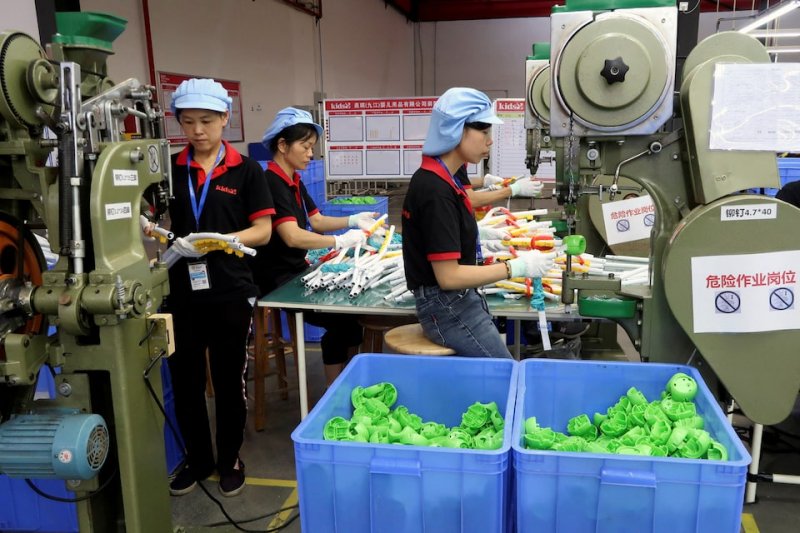
Toymakers and investors are reassessing their strategies after the U.S. Supreme Court struck down President Donald Trump’s emergency tariffs, opening the door to possible refunds, but leaving major legal and financial questions unresolved.
Companies that had already sold potential tariff refund claims to investors welcomed the ruling. Yet for many, the decision marks only the beginning of a long and uncertain process, as lower courts must now decide whether refunds will actually be issued and how importers can claim them, News.Az reports, citing Reuters.
“It’s a tiny win in what seems to be an ongoing, changing environment,” said Mark Mintman, chief financial officer of Kids2, an Atlanta-based toymaker.
RECOMMENDED STORIES
Kids2 received about $2 million upfront from a Boston hedge fund in exchange for a claim tied to roughly $15 million in tariffs it paid to U.S. customs through September last year. The company imports around 95% of its toys and infant products from China.
Mintman said Kids2 is now working closely with legal advisers to determine how to preserve its right to a refund. While the Supreme Court invalidated the tariffs, it left the mechanics of repayment to lower courts, a process that could prove lengthy, complex and expensive.
Adding to the uncertainty, Trump said on Friday that he would seek alternative ways to collect the taxes, clouding the outlook for importers’ bottom lines.
Under so-called tariff-claim deals, companies receive only a fraction of any potential refund as an upfront payment. If the government ultimately refunds the tariffs, that money goes to the investors who bought the claim. If refunds never materialize, the company still keeps the upfront cash. Mintman described the arrangement as a form of “cost-recovery action.”
The market for trading tariff refund claims mirrors other Wall Street practices built around future cash flows, such as structured settlement payments or lottery annuities. One of the most famous examples is when David Bowie sold future royalty income through financial instruments later dubbed “Bowie Bonds.”
Legal experts caution that significant uncertainty remains. Amy Pasacreta, a restructuring lawyer at Orrick, said the refund process could stretch on for months or even years.
“Are there going to be refunds? And if so, how importers can claim the refunds?” she said, noting that the political response could further delay outcomes.
Still, Pasacreta expects new buyers and sellers to enter the market following the ruling, as the likelihood of eventual refunds has increased. She also said pricing for such claims is likely to rise.
Interest is already picking up. Pasacreta said her team has received inquiries from investors looking to buy claims, as well as from importers reconsidering deals that were on hold before the ruling.
Jay Foreman, chief executive of Basic Fun, which sells brands including Tonka trucks and Care Bears, said he is now considering selling his own claim, provided the discount is reasonable.
Foreman said an upfront payment could be reinvested immediately into the business and potentially used to lower prices if tariffs remain off toys.
By Aysel Mammadzada


Similar news