Trump cuts tariffs on India amid Russian oil dispute


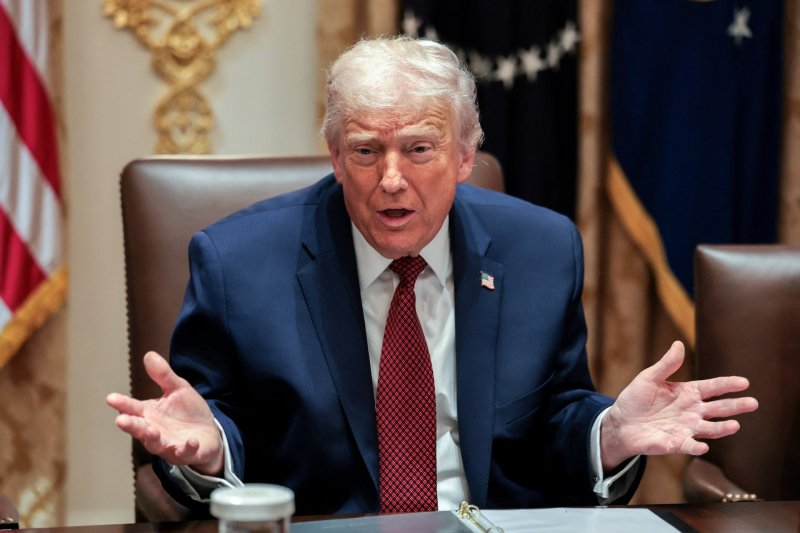
U.S. President Donald Trump announced a major tariff reduction on Indian goods after saying India agreed to reduce its purchases of Russian oil, marking a significant development in U.S.-India trade relations.
Trump said tariffs on Indian imports would be reduced to about 18%, down from levels that had reached as high as 50% when additional penalties were included. The measures had previously been introduced partly to pressure India over its continued purchases of Russian crude oil, News.Az reports, citing CNN.
According to Trump, the decision followed a call with Indian Prime Minister Narendra Modi. Trump said India agreed to shift oil imports toward suppliers such as the United States and Venezuela. However, Modi publicly welcomed the tariff cuts but did not specifically confirm plans to stop buying Russian oil.
RECOMMENDED STORIES
India currently imports about 1.5 million barrels of Russian oil per day, with Russian crude accounting for more than one-third of the country’s total oil imports. Analysts say fully replacing Russian oil would be difficult in the short term due to infrastructure limits and supply constraints from alternative producers.
Experts note that while Venezuelan oil is technically similar to Russian crude, Venezuela’s oil sector would require major investment and years of recovery to significantly increase production capacity.
India has previously defended its Russian oil purchases as essential for energy security. As the world’s third-largest oil consumer, the country relies heavily on imports to support its rapidly growing economy and large population.
Russian oil has also historically been sold to India at a discount compared with other global benchmarks, making it economically attractive. However, as global oil prices have recently declined, the financial advantage of Russian oil has narrowed.
The tariff reduction is also expected to benefit Indian exporters. U.S. imports from India include electronics, pharmaceuticals, apparel and chemicals, while U.S. exports to India include oil, gas, aircraft and technology products.
Trump also said India had agreed to lower tariffs and certain non-tariff barriers on U.S. goods, and increase investments in U.S. industries including energy, technology and agriculture.
Economists say the agreement could boost trade flows, improve investor sentiment and strengthen economic ties between the two countries, though some analysts caution that details of the deal remain unclear and implementation may take time.
By Aysel Mammadzada


Similar news