What does the new US House bill on Russia sanctions and Ukraine aid mean?


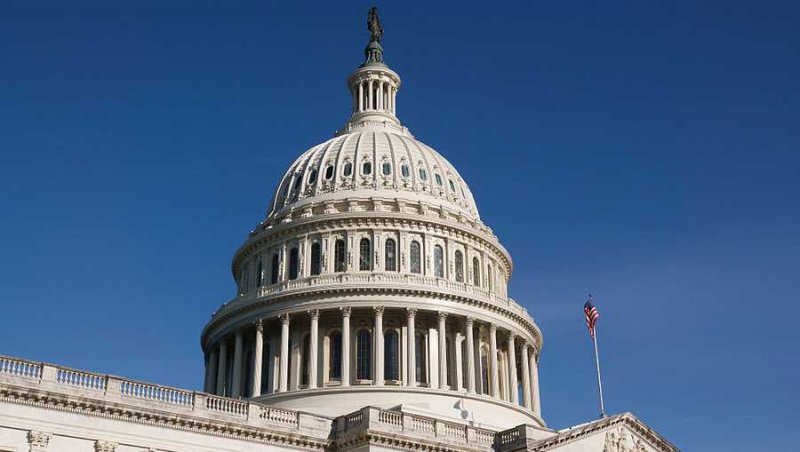
The United States House of Representatives approved a bill that would significantly tighten sanctions on Russia and authorize additional military assistance for Ukraine. The measure passed by a vote of 226 to 195.
RECOMMENDED STORIES
The legislation seeks to increase economic and political pressure on Moscow while maintaining US support for Kyiv as the war continues.
Who introduced the bill?
The bill was introduced by Gregory Meeks, the ranking Democrat on the House Foreign Affairs Committee.
Meeks has been a vocal supporter of Ukraine and has advocated for continued US involvement in efforts to counter Russia's military actions.
Why was the bill proposed?
Supporters argue that Russia must face additional consequences if it continues military operations against Ukraine, violates any future peace agreement or fails to engage seriously in negotiations aimed at ending the conflict.
The bill is intended to create a framework that links Russia's future behavior to additional economic penalties.
What are the main provisions of the legislation?
The bill contains two major components:
-
Expanded sanctions against Russia;
-
Additional military assistance for Ukraine.
It also establishes a mechanism for ongoing reviews of Russia's conduct in relation to the war and any potential peace process.
How would Russia's actions be assessed?
The legislation requires regular evaluations of whether Russia:
-
Is continuing armed conflict against Ukraine;
-
Is violating the terms of a peace agreement;
-
Is negotiating in good faith toward a peaceful settlement;
-
Is taking actions that undermine peace efforts.
These assessments would help determine whether new penalties should be imposed.
What new sanctions could be imposed?
The bill authorizes additional sanctions targeting several key sectors of the Russian economy, including:
-
Government officials;
-
Financial institutions and banks;
-
The oil industry;
-
The natural gas sector;
-
Coal production;
-
Mining operations;
-
Other strategic industries that contribute to Russia's economy.
The sanctions could include asset freezes, restrictions on financial transactions, limits on international business activities and other economic measures.
Why are Russia's energy sectors being targeted?
Oil and natural gas exports remain among Russia's most important sources of revenue.
Western governments have repeatedly targeted these sectors since the start of the war, arguing that energy revenues help finance Russia's military operations.
Supporters of the bill believe additional restrictions could further reduce Moscow's ability to generate income from international markets.
What is the significance of the proposed 500 percent tariffs?
One of the most striking elements of the bill is the proposal to increase customs duties on Russian goods and services to at least 500 percent.
Such a tariff level would effectively make most Russian imports prohibitively expensive in the United States, severely limiting trade.
The measure is designed to discourage commercial engagement with Russia and increase economic pressure on the country.
Would all Russian products be affected?
The bill broadly refers to Russian goods and services, but the exact implementation would depend on regulations and guidance issued if the legislation becomes law.
Specific exemptions or special provisions could potentially be introduced during the legislative process.
How much military aid would Ukraine receive?
The bill authorizes $300 million in military assistance for Ukraine during fiscal years 2026 and 2027.
The funding would be distributed over the two-year period, subject to congressional appropriations and implementation procedures.
What could the military aid include?
Although the legislation's summary does not provide a detailed breakdown, US military assistance packages for Ukraine have previously included:
-
Air defense systems;
-
Ammunition;
-
Armored vehicles;
-
Anti tank weapons;
-
Surveillance equipment;
-
Communications systems;
-
Training and logistical support;
-
Intelligence sharing capabilities.
The exact composition of future assistance would depend on battlefield needs and decisions by US defense officials.
How does this compare with previous US aid to Ukraine?
Since Russia launched its full scale invasion of Ukraine in 2022, the United States has provided tens of billions of dollars in military, economic and humanitarian assistance.
The $300 million package is relatively modest compared with earlier large scale aid packages, but it signals continued support for Ukraine despite political divisions in Washington.
Why is support for Ukraine controversial in US politics?
While many lawmakers support continued assistance, critics argue that:
-
The United States should focus more on domestic priorities;
-
The financial burden has become too high;
-
European countries should assume a greater share of responsibility;
-
Additional aid may prolong the conflict rather than encourage negotiations.
Supporters counter that helping Ukraine is vital for European security and international stability.
What happens next?
Approval by the House does not make the bill law.
The legislation must still:
-
Be considered by the United States Senate;
-
Pass the Senate;
-
Be signed by the President of the United States.
If the Senate makes changes, both chambers would need to agree on a final version.
Could the bill be changed before becoming law?
Yes.
The Senate may amend the legislation, alter funding levels, modify sanctions provisions or add new requirements before voting.
As a result, the final law could differ significantly from the version approved by the House.
How might Russia respond?
Russia has consistently condemned Western sanctions as illegal and ineffective.
If the bill becomes law, Moscow could respond through:
-
Diplomatic protests;
-
Counter sanctions;
-
Restrictions on US companies;
-
Adjustments to trade and energy policies;
-
Closer economic cooperation with non Western partners.
How could the bill affect US Russia relations?
The legislation could further strain already tense relations between Washington and Moscow.
Relations have deteriorated sharply since the start of the Ukraine war, with both countries imposing sanctions, expelling diplomats and reducing cooperation in several areas.
What impact could the bill have on Ukraine?
If enacted, the legislation would provide additional military resources to Ukraine and reinforce political support from Washington.
Supporters believe this could strengthen Ukraine's defense capabilities and improve its position in any future negotiations.
What impact could the bill have on global markets?
The effect would likely depend on the scale of implementation.
Additional sanctions targeting Russia's energy and financial sectors could:
-
Affect global energy markets;
-
Influence commodity prices;
-
Increase uncertainty in international trade;
-
Lead to new adjustments in supply chains.
However, much would depend on how broadly the sanctions are applied and how other countries respond.
Why is the vote important internationally?
The vote signals that a majority in the House continues to support maintaining pressure on Russia and providing assistance to Ukraine.
For allies in Europe and elsewhere, the legislation serves as an indicator that significant support for Ukraine remains present within the US political system despite ongoing debates over foreign policy and government spending.
What is the broader significance of the bill?
Beyond its immediate economic and military provisions, the legislation reflects a continuing effort by US lawmakers to shape the future course of the Russia Ukraine conflict. By linking sanctions to Russia's conduct and preserving military assistance for Ukraine, the bill seeks to influence both battlefield dynamics and potential diplomatic negotiations in the years ahead.
By Faig Mahmudov


Similar news