The order, signed on Thursday, does not specify the level of the tariffs or name the countries that could be targeted, News.Az reports, citing AFP.
Those details will be determined later by the US Secretary of Commerce.
Cuba, which has been under a US economic embargo since 1962, until recently relied heavily on oil supplies from Venezuela. However, the United States has moved to block that flow after removing Cuban ally Nicolás Maduro from power and effectively taking control of Venezuelan oil exports.
Following those actions, Trump pledged to fully cut off oil and financial resources reaching Cuba. “I strongly suggest they make a deal, BEFORE IT IS TOO LATE,” he wrote in a social media post. The US administration has not clarified what kind of deal it is seeking from Havana’s communist government.
Cuba’s Foreign Minister Bruno Rodríguez condemned the move, calling it a “brutal act of aggression against Cuba and its people,” who he said have endured “the longest and cruelest economic blockade ever imposed” for more than 65 years.
The executive order authorizes added tariffs on any country that “directly or indirectly sells or otherwise provides any oil to Cuba.” It invokes the International Emergency Economic Powers Act (IEEPA) and declares the Cuban government an “extraordinary threat” to US national security.
Other tariffs imposed under the IEEPA are currently facing legal challenges at the US Supreme Court.
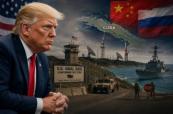
In declaring a national emergency related to Cuba, Trump echoed accusations previously made against Venezuela, claiming Havana supports nations and groups hostile to the United States. The order alleges that the Cuban government aligns itself with countries such as Russia, China, and Iran, as well as militant groups including Hamas and Hezbollah.
The renewed pressure comes as Cuba faces its worst economic crisis in decades, marked by power outages lasting up to 20 hours a day, along with severe shortages of food and medicine. These conditions have fueled a mass exodus of Cubans from the island.