Trump faces fragile truce with $30T U.S. bond market


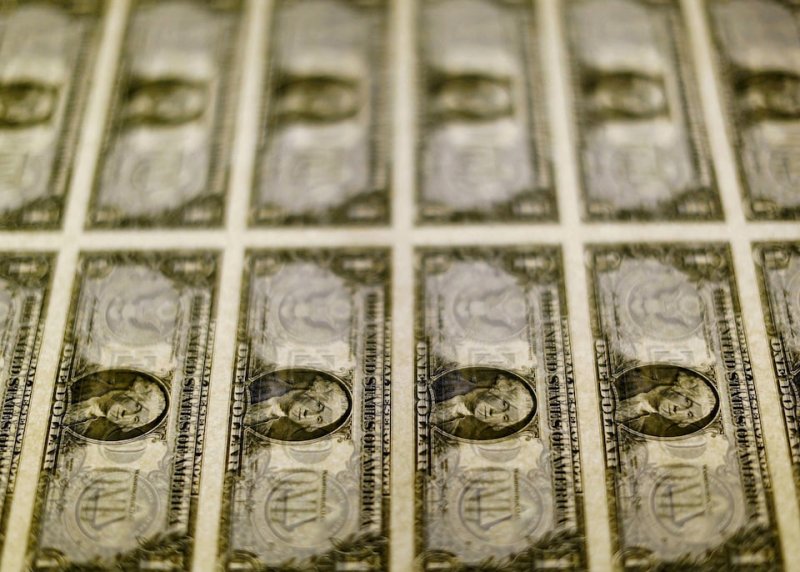
Since President Donald Trump's 'Liberation Day' tariffs shook the U.S. bond market in April, his administration has walked a careful line to prevent another market upheaval. But the truce remains fragile, analysts warn.
On November 5, Treasury signals to sell more long-term debt coincided with the Supreme Court hearing arguments on the legality of Trump's trade tariffs. The result: a sharp spike in benchmark 10-year bond yields, one of the largest in months, News.Az reports, citing Reuters.
Investors remain uneasy about the U.S. federal deficit, currently around 6% of GDP. Citigroup’s Edward Acton called the moment “a reality check.” Many see a quiet battle of wills between the administration and investors wary of high debt levels.
The so-called “term premium”—extra yield for holding 10-year debt—has recently started rising again, reflecting lingering market concerns. Daniel McCormack of Macquarie Asset Management notes that “bond markets’ ability to terrify governments is second to none,” referring to the April bond crash.
Treasury Secretary Scott Bessent has emphasized keeping yields low, particularly on 10-year bonds, affecting government, corporate, and household borrowing costs. Behind-the-scenes consultations with investors, including input on Federal Reserve chair candidates, have reassured some that the administration is serious about stability.
Still, experts warn that the bond market’s calm is temporary. Tariffs, market bubbles, and a potentially hawkish Fed could quickly disturb the delicate balance. Stablecoins, AI-led spending, and short-term Treasury bills have so far helped smooth demand, but the market remains vigilant.
“Bond vigilantes never go away; it's just whether they're active or not,” says Sinead Colton Grant of BNY Wealth Management. The question for investors: how long can this tenuous peace last?


Similar news