Iran war puts Gulf economies on brink of historic slump


The ongoing conflict with Iran could trigger one of the most severe economic downturns for Gulf nations since the early 1990s, threatening the economies of Saudi Arabia, United Arab Emirates and Qatar if hostilities persist.
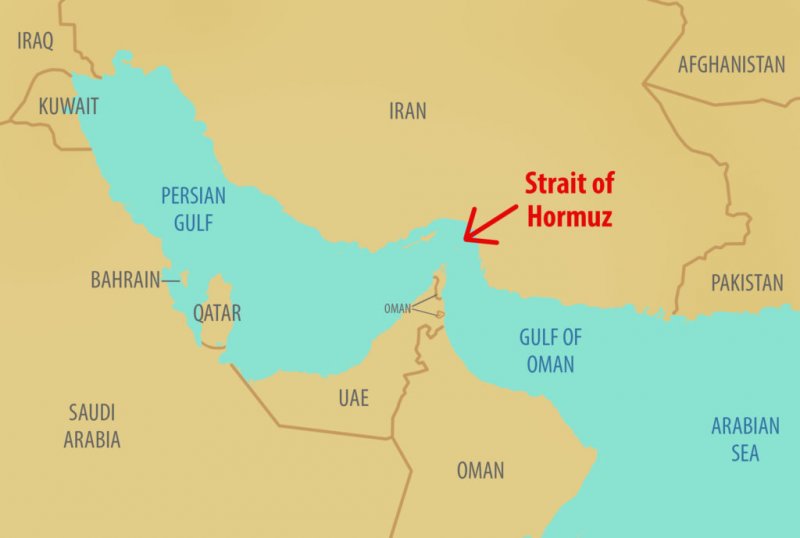
According to Goldman Sachs economist Farouk Soussa, both Qatar and Kuwait could see their gross domestic product shrink by about 14% this year if the conflict continues through April and the Strait of Hormuz remains blocked for two months, News.Az reports, citing Bloomberg.
Such a contraction would mark the deepest economic slump for those countries since the early 1990s, when Iraq invaded Kuwait, sparking the Gulf War and turmoil in global oil markets.
Saudi Arabia and the UAE could fare somewhat better due to their ability to redirect some oil exports away from the Strait of Hormuz. However, economists still estimate their GDP could fall by about 3% and 5% respectively, marking the most severe economic shock since the COVID-19 pandemic.
“For many Gulf economies, the war could have a bigger near-term impact than Covid,” Soussa said. “When the dust settles they will rebuild and recover, but the scars this conflict leaves on confidence remain to be seen.”
The war has created a difficult scenario for Gulf states, potentially damaging both their oil-dependent sectors and broader non-oil industries.
The conflict entered its third week with no clear signs of easing, as Iran continued launching strikes across the region in response to U.S. and Israeli attacks. In the UAE, operations at Dubai International Airport were temporarily suspended after a drone incident caused a fire, while Saudi Arabia reported intercepting more than a dozen drones overnight.
Over the weekend, the United States targeted military facilities on Kharg Island, Iran’s main crude export terminal, and warned it could strike energy infrastructure if Tehran continues disrupting traffic in the Strait of Hormuz.
Donald Trump also said Washington is in discussions with “about seven countries” about forming a coalition to secure the waterway and escort commercial vessels through the corridor.
Oil prices have surged amid the disruption. Brent crude rose above $104 per barrel on Monday, after climbing more than 40% over the previous two weeks due to halted shipments through Hormuz and production cuts by Saudi Arabia and the UAE.
Global gas markets have also been shaken by a sharp drop in Qatar’s liquefied natural gas exports. Meanwhile, Bahrain has begun reducing output at one of the world’s largest aluminum smelters partly due to the disruption in shipping routes.
Economists warn that Qatar, Kuwait and Bahrain may face the greatest economic pressure if the conflict drags on. By contrast, Saudi Arabia and the UAE could benefit somewhat from higher oil prices and their ability to export crude through alternative routes.
However, analysts say the broader non-oil economy across the Gulf may still suffer, as sectors such as real estate, tourism and investment face growing uncertainty.
Among Gulf states, Saudi Arabia may weather the conflict relatively well if the situation remains contained. The kingdom has largely maintained normal business operations and kept its airspace open while intercepting most incoming attacks.
Economists say the country’s main near-term challenge may be a larger fiscal deficit in the first quarter due to reduced revenues. However, higher oil prices could help offset those losses later in the year.
Some analysts estimate Saudi Arabia’s annual budget deficit could shrink if oil production averages about 7.5 million barrels per day and prices remain near $90 per barrel. The Saudi government had previously forecast a deficit of about 3.3% of GDP for 2026.
Elsewhere, the UAE is still expected to post a budget surplus this year, while Qatar’s fiscal deficit could widen.
Gulf governments may increasingly turn to debt markets to ease financial pressures. For now, analysts say global bond investors have not yet shown significant concern about the conflict’s impact on regional finances.
By Nijat Babayev


Similar news