Ukraine’s economic losses reach Trillion dollars: What’s next?


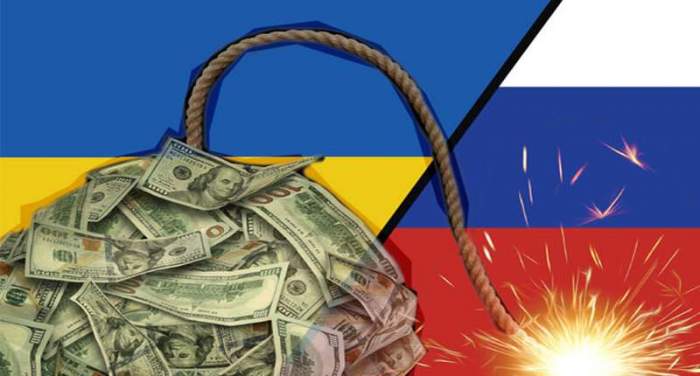
Since the beginning of the armed conflict, Ukraine's economy has suffered unprecedented losses, reaching $1.164 trillion, according to a study by the Kyiv School of Economics (KSE), News.Az reports citing Gazeta.Ru .
This crisis has become the largest in modern Ukrainian history, causing severe damage to the country’s economic infrastructure and affecting nearly every key sector. The hardest hit has been the industrial sector, with trade losses amounting to $450.5 billion, industry (including construction and services) suffering $410 billion in damages, and agriculture losing $83.1 billion. These figures highlight the scale of destruction caused by the conflict, which has impacted not only industrial facilities but also supply chains, labor resources, and international markets.One of the most affected sectors is energy. The losses in this industry are estimated at $43.1 billion, due to the destruction of energy infrastructure, including power plants, transmission lines, and oil and gas facilities. Damaged or destroyed assets not only complicate the immediate functioning of the economy but also create long-term challenges for its recovery. The transport sector has also been hit hard, with losses of $38.8 billion. The destruction of railways, highways, bridges, and ports has crippled Ukraine's ability to fully export and import goods, a problem that is especially acute in the face of international sanctions and economic blockades.
These estimates significantly exceed the official figures provided by the Ukrainian government. Prime Minister Denys Shmyhal previously reported that the country’s direct losses from military actions amounted to $326 billion. However, the discrepancy arises from the fact that KSE researchers included not only direct losses but also indirect ones, such as missed profits, the destruction of investment climates, and the overall destabilization of the economic system. Including these factors gives a more comprehensive picture of the long-term economic damage that will impact Ukraine’s recovery for many years to come.
In addition to financial losses, Ukraine faces a growing budget deficit. According to Member of Parliament Iryna Herashchenko, the deficit will amount to $37.6 billion in 2024, equivalent to 19.4% of the country's GDP. In 2023, the deficit reached 20.6% of GDP, underscoring the complexity of the situation as defense, reconstruction, and social spending continue to rise, while revenue generation opportunities shrink. The financial obligations of the government—related to maintaining stability, paying pensions, benefits, and salaries—are becoming increasingly burdensome for a state that can no longer fully function without external assistance.
Therefore, Kyiv is relying on international support. In 2025, Ukraine expects to receive $944 million from its international partners , which should partially offset the enormous financial losses and help stabilize the economic situation. However, even these sums are unlikely to fully meet the country's recovery and development needs. International financial aid, though crucial, is not a long-term solution. Economists and experts point to the necessity of creating effective mechanisms for attracting private investment and restoring confidence in the Ukrainian market, which will be key to long-term stabilization.
Amid the ongoing conflict, Brussels is also considering providing Ukraine with a multibillion-dollar loan to mitigate the economic consequences and support recovery efforts. The European Union plays a critical role in offering both financial and political support to Ukraine, and the loan programs and investment projects under discussion in Brussels are aimed at restoring key sectors of the economy, infrastructure, and social services.
However, despite international assistance, Ukraine's recovery prospects remain uncertain. The economic reforms that must accompany the recovery process will face serious challenges, particularly the need to eliminate corruption, strengthen the rule of law, and create conditions for sustainable economic growth. The war has not only destroyed physical infrastructure but also dealt a severe blow to the country’s institutional resilience, which will require long-term efforts and support from the international community.
Ukraine’s current economic problems illustrate the complexity of a conflict that affects not only the military-political but also the economic sphere. The country's recovery will depend on coordinated actions by both the Ukrainian government and its international partners, as well as its ability to attract private capital and create conditions for economic growth in the post-conflict period.


Similar news