US criticizes Pakistan's trade policies in latest report


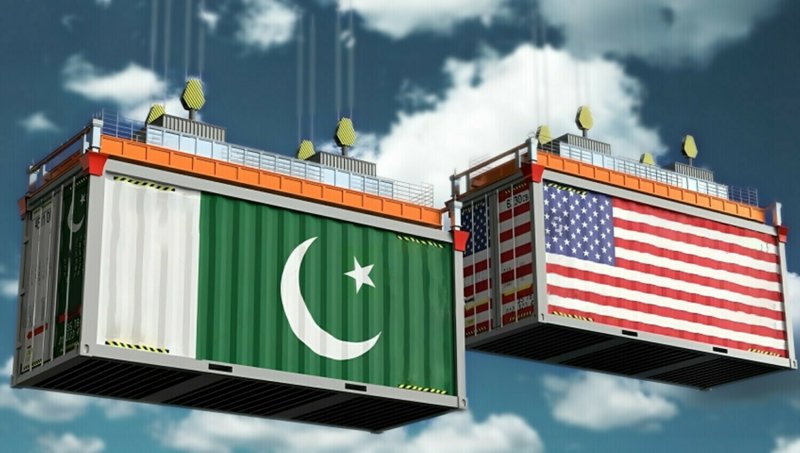
The US government has raised concerns over Pakistan’s trade and investment policies, highlighting their negative impact on American businesses, following US President Donald Trump’s imposition of a 29% reciprocal tariff on Pakistan.
“US companies have cited concerns that Pakistan has been imposing high tariff rates and, in some cases, additional duties, on products such as automobiles and finished goods,” stated a report titled ‘2025 National Trade Estimate Report on Foreign Trade Barriers’, News.Az reports citing Business Recorder.
As per the report, US exporters in Pakistan face non-uniform customs valuation, excessive documentation requirements, and penalties due to outdated invoicing rules, adding compliance burdens.
“US companies have reported being adversely affected by Customs Rules 389 and 391.
“Customs Rule 389 requires the placement of a physical invoice and packing list in the shipping container, while Customs Rule 391 places the responsibility of including such documents, and liability for failure to comply, on the owner of the goods and the carrier.
“Such rules pose compliance challenges for companies that use intermediaries, re-invoicing, or the storage of goods at various points during transit,” read the report.
It said that US companies face foreign exchange restrictions and bureaucratic hurdles in Pakistan, making it difficult for them to repatriate profits and dividends, “generally coinciding with the government’s focus on stemming outflows of US dollars.”
However, conditions improved in 2024 “as Pakistan’s balance of payments position stabilized”.
The report added that US companies have experienced increased pressure from the Federal Board of Revenue (FBR), Pakistan’s tax collecting authority, to prepay anticipated tax liabilities and “have expressed concern that many of their local competitors still do not pay taxes at all or engage in tax evasion”.
“The US government has repeatedly engaged with the Pakistan government on issues involving unfair and disproportionate taxation of US companies and continues to reinforce the importance of Pakistan broadening its tax base,” it said.
The report revealed that Pakistan remains on the US Special 301 Watch List due to weak Intellectual property (IP) enforcement, rising counterfeiting, and inconsistent rulings from IP tribunals.
“Although Pakistan has made gradual improvements toward better coordinating its IP enforcement efforts and updating its IP laws, serious concerns remain, particularly in the area of IP enforcement,” it said.
Moreover, the report stated that US companies also found corruption and a weak judicial system as “substantial disincentives” to foreign investment in Pakistan.


Similar news