Scientists warn "super El Niño" could drive record-breaking global heat


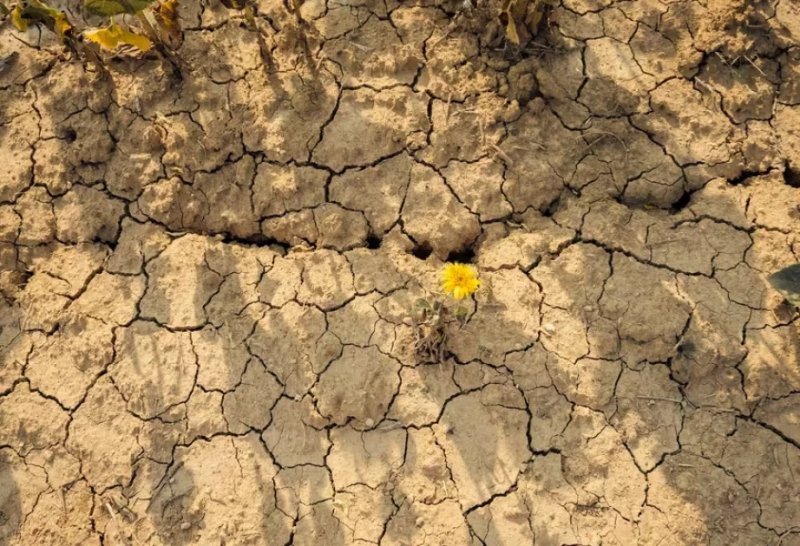
Climate scientists are warning that a potentially powerful El Niño event could develop in the coming months, raising the risk of record-breaking global temperatures and intensifying extreme weather patterns worldwide.
Sea surface temperatures in the central equatorial Pacific Ocean could rise as much as 3°C above average later this year. Such conditions would place the developing event among the strongest El Niño patterns observed in modern records, News.Az reports, citing the European Centre for Medium-Range Weather Forecasts.
The phenomenon, often referred to as a possible “super El Niño,” is expected to emerge between May and July and could persist into 2027. Scientists say its impact may significantly amplify global heat already driven by long-term climate change.
RECOMMENDED STORIES
The El Niño–Southern Oscillation is a naturally occurring climate cycle that influences weather patterns across the globe by warming or cooling Pacific Ocean waters. When El Niño conditions strengthen, they typically contribute to higher global average temperatures.
Researchers warn that the upcoming event could push global temperatures beyond critical thresholds, potentially surpassing 1.5°C above pre-industrial levels—a key benchmark set under the Paris Climate Agreement aimed at limiting long-term warming.
If the forecasted El Niño develops as predicted, it is likely to reshape weather conditions across multiple regions. In the United States, scientists expect warmer and drier conditions in northern areas, while the Gulf Coast and southeastern regions could experience increased rainfall and wetter-than-normal conditions.
Globally, El Niño events are also associated with higher risks of droughts, floods, heatwaves, and disruptions to agriculture, depending on regional geography.
Experts say the concern is not only the strength of the potential El Niño but also its interaction with ongoing global warming trends. With baseline temperatures already elevated due to human-driven climate change, a strong El Niño could temporarily push the planet into unprecedented heat levels.
While El Niño events are temporary, scientists emphasize that their increasing intensity in recent years highlights the growing volatility of the global climate system and the importance of long-term adaptation planning.
By Aysel Mammadzada


Similar news