US flu cases surge, NYC among hardest hit


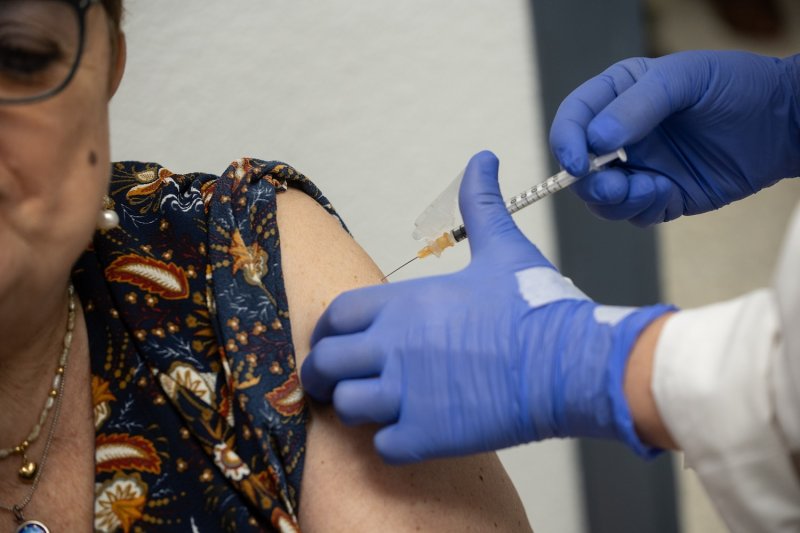
Flu activity is on the rise across the United States, according to the latest data from the Centers for Disease Control and Prevention (CDC).
New York City is experiencing some of the highest levels of flu-like activity in the country. States including Alabama, Colorado, Connecticut, Hawaii, Louisiana, Maryland, Minnesota, New Hampshire, New Jersey, Ohio, Rhode Island, and Texas are reporting “moderate” levels of respiratory illness, while all other states are seeing low or very low activity, News.Az reports, citing ABC News.
The CDC estimates that this flu season has so far resulted in at least 4.6 million illnesses, 49,000 hospitalizations, and 1,900 deaths.
The bulk of flu illnesses so far are being linked to the new variant known as subclade K, according to hundreds of samples sent to the CDC. Of just over 900 flu samples, roughly 90% were A(H3N2). Of those that had further genetic testing, nearly 90% belonged to subclade K.
The mutations seen in the new variant result in a mismatch with this season’s flu vaccine composition, the CDC notes. Experts believe that the flu vaccine will still help reduce the risk of severe illness, including hospitalization and death.
"Even with this new variant and some mismatch with the vaccine, getting a flu shot is still absolutely worth it," John Brownstein, an epidemiologist and ABC News medical contributor, said. "The vaccine continues to provide strong protection against severe outcomes like hospitalization and death, and that’s especially important as flu activity ramps up."
About 140 million doses of the flu vaccine have been distributed nationally so far this season, compared to 128 million last season.
The CDC recommends that everyone over the age of 6 months get their annual flu shot. Experts say it is not too late to get vaccinated.
"This is the time of year when flu typically starts to take off, and we expect activity to continue increasing in the weeks ahead," Brownstein added. "As people gather indoors and travel more around the holidays, those conditions can accelerate spread."


Similar news