How Israel hunts down Iran’s elite with deadly accuracy - expert opinions


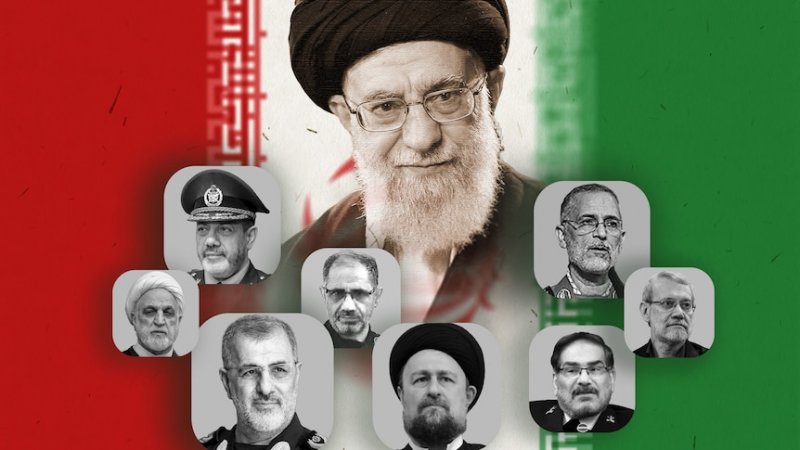
At first glance, it may seem like a series of swift and nearly flawless operations, in which key figures within Iran’s system are targeted one after another. However, behind this apparent “ease” lies a far more complex reality — years of preparation, deeply embedded intelligence networks, and strategic groundwork carried out long before the current escalation. According to experts, it is precisely this factor that explains Israel’s remarkable precision and effectiveness today.
In an interview with News.Az, Israeli military and political analyst, former Israeli consul in Moscow, and former advisor to Israel’s Minister of Public Security, Alex Wexler, said that the effectiveness of Israel’s actions in the current confrontation with Iran is the result of long-term, systematic work, primarily in the field of intelligence.
According to Wexler, even when members of Iran’s leadership or military structures attempt to hide in secure or clandestine locations, Israeli intelligence services are capable of locating and neutralizing them. "Israel has spent decades building these capabilities, consistently developing an extensive intelligence network and penetrating various structures inside Iran," Wexler emphasized.
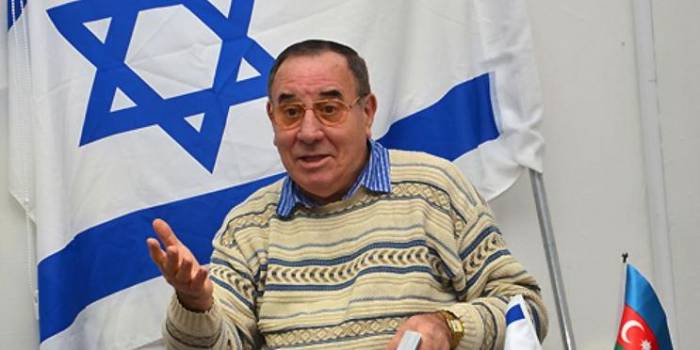 Israeli military and political analyst Alex Wexler
He recalled that since 1979, following the Islamic Revolution, Tehran has openly declared its course toward the destruction of Israel, regularly accompanying this rhetoric with slogans such as “death to Israel” and “death to America.” In his view, this is not merely political rhetoric, but a direct threat to physically eliminate Israelis and Jews worldwide. As evidence, he cited terrorist attacks in Latin America, including assaults on Israeli and Jewish targets in Argentina, which have been linked to Iranian structures.
RECOMMENDED STORIES
Wexler also noted that Israel has for many years undertaken efforts to contain Iran’s nuclear program, ranging from sabotage operations to the targeted elimination of specialists involved in nuclear development. "Such actions have often succeeded in slowing Iran’s progress in this area," he said.
In addition, he pointed out that a significant number of Iranians, estimated at between eight and nine million, left the country after the ayatollahs came to power, and some of them maintain opposition views toward the current regime. "Within these circles there are contacts with representatives of the former Shah’s elite, including figures connected to the family of Reza Pahlavi," Wexler added.
Speaking about the current conflict, the expert stressed that Israel has no intention of yielding under conditions where its existence is perceived to be under threat. He also noted that, despite the absence of official confirmation, Israel is widely regarded in international assessments as one of the leading nuclear powers.
"Israel’s defense industry remains among the most advanced in the world, while growing demand from European countries amid deteriorating security conditions reflects a deep crisis within Europe’s defense system," he said. In this context, he also mentioned that Ukraine today plays a significant role in containing threats to the European continent.
Separately, Wexler addressed the results of the current phase of the conflict, stating that Israeli strikes have led to a systematic weakening of Iran’s military infrastructure, including the elimination of a number of high-ranking military officials and specialists. "Not only first-tier commanders have been targeted, but also those who replaced them," he noted.
At the same time, Wexler emphasized that Iran remains a large country with vast territory, and confrontation with it requires time. However, in his assessment, Tehran’s ability to carry out strikes is diminishing with each passing day — both in terms of missile stockpiles and launch systems.
The expert also highlighted the effectiveness of Israel’s early warning and missile defense systems, which allow for near real-time tracking of missile launches and their interception, including beyond Israeli territory with the support of allies.
Wexler further noted that a significant portion of Iranian society, in his view, does not support the current regime, while members of the Iranian diaspora around the world openly express support for Israel’s actions, linking them to hopes for internal change.
"Israel views Iran as one of its main adversaries and, in the face of a direct threat, will not limit itself to defensive measures, but will continue active efforts aimed at neutralizing those threats," he concluded.
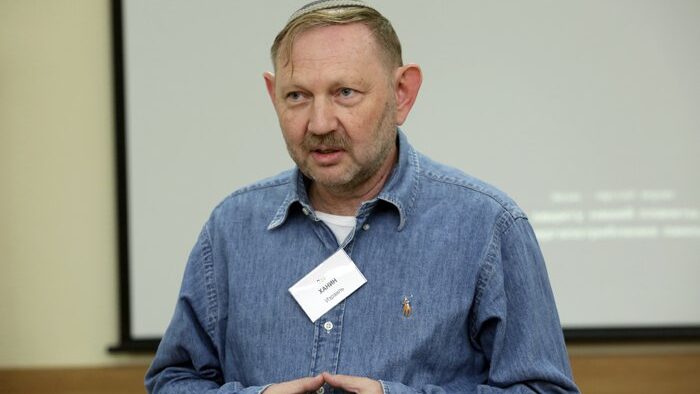 Israeli expert Zeev Khanin (Source: KommersantInfo)
For his part, Israeli expert Professor Zeev Khanin explained that the effectiveness of targeted operations against Iranian leadership is most likely the result of a long-established and deeply developed intelligence system.
According to Khanin, this may involve well-established channels of information gathering, including agent networks and, potentially, sources within Iran itself — individuals with access to classified decisions and plans. At the same time, the expert emphasized that this is an analytical assumption rather than confirmed information.
"It is incorrect to describe such operations as 'easy.' Each elimination is the result of years of painstaking work, including intelligence gathering, infiltration, analysis, and operational preparation," Khanin also stressed.
"Thus, what appears to be rapid and precise action is, in reality, the outcome of long-term and highly complex intelligence activity," the expert concluded.


Similar news