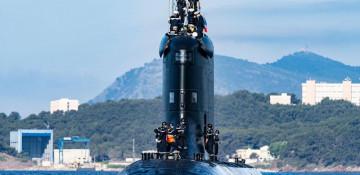
In a statement on Tuesday, the US Central Command said more than 10,000 personnel, including sailors, marines and air force units, are involved in the mission. The operation also includes more than a dozen warships and dozens of aircraft deployed across the region, News.az reports, citing Xinhua.
According to the command, six commercial vessels complied with US instructions to turn back and re-enter Iranian ports in the Gulf of Oman. The blockade applies to ships of all nationalities entering or leaving Iranian ports, covering coastal areas along both the Arabian Gulf and the Gulf of Oman.
“During the first 24 hours, no ships made it past the US blockade,” the statement said.
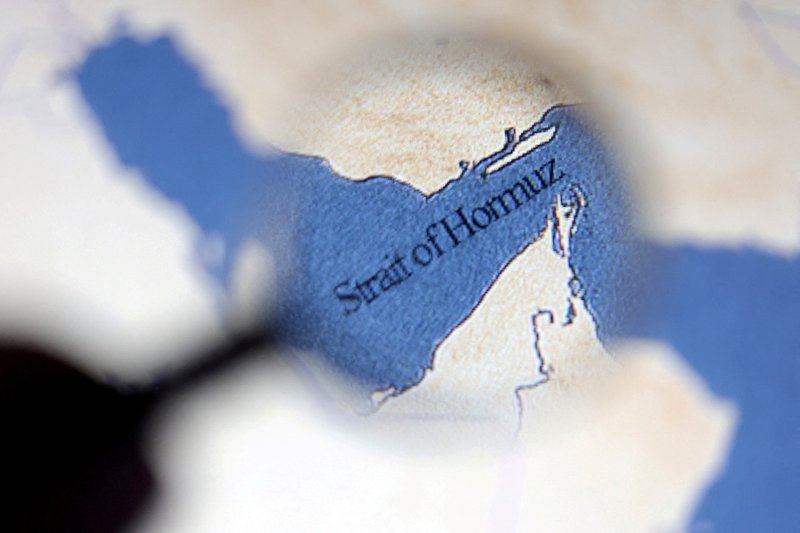
However, maritime data firm Kpler reported that at least nine commercial vessels have crossed the Strait of Hormuz since Monday, suggesting some continued movement through one of the world’s most critical energy chokepoints.
The development comes amid heightened tensions following joint US and Israeli strikes against Iran on 28 February. Since then, shipping traffic in the strait has dropped sharply, falling to below 10 percent of pre-conflict levels. Before the escalation, more than 100 vessels transited the strait daily.
Earlier, US media reported that at least 15 American naval vessels were positioned in the region, although their precise locations remain unclear.
US President Donald Trump issued a stark warning, saying any Iranian vessel approaching the blockade would be “eliminated”.
“Warning: If any of these ships come anywhere close to our blockade, they will be immediately eliminated,” he wrote on social media.
The Strait of Hormuz is a vital route for global oil shipments, and any sustained disruption is likely to have significant implications for international energy markets and regional security.