U.S. shutdown: Republican and Democratic tensions escalate


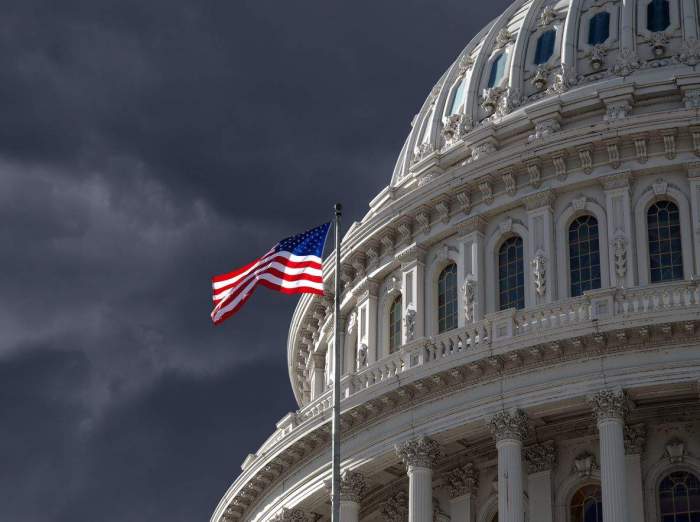
As the U.S. approaches another election cycle, tensions in Congress are escalating. The threat of a government shutdown — a temporary halt to federal operations — looms large once again. The deadline for approving the budget is set for September 30, and the core disagreements, as always, revolve around the allocation of funds. At the heart of the debate lie budget priorities, particularly the funding for defense and social programs, reports News.Az.
Republicans, primarily in the House of Representatives, are pushing for reduced government spending, advocating to maintain expenditures at 2024 levels. Democrats, on the other hand, are calling for an increase in the 2025 budget to fulfill their promises of enhancing social welfare programs and maintaining the country’s defense capabilities.House Speaker Mike Johnson introduced a temporary spending bill that would allow the federal government to continue operations for another six months. This bill proposed keeping spending at 2024 levels without increasing funding for certain social and defense programs. However, the bill’s key provision was the SAVE Act, proposed by Donald Trump, which would require proof of citizenship for voter registration. This move was aimed at preventing illegal immigrants from participating in the elections, which Republicans believe Democrats might leverage to secure their victory.
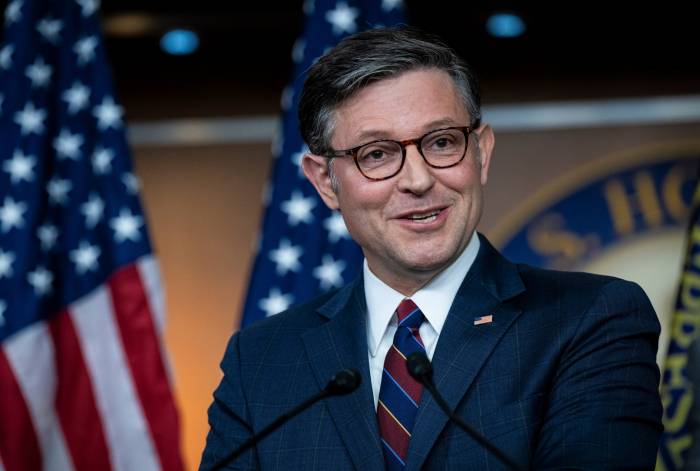
However, on September 19, Johnson faced a significant setback. Fourteen Republicans joined nearly all Democrats in voting against the bill. The reasons for opposition varied: conservatives demanded more substantial spending cuts, defense hawks were concerned about undermining the country’s military strength, while moderate Republicans feared the negative impact of a government shutdown so close to the elections.
As a result, under pressure from both his party members and the opposition, Johnson was forced to agree to a "Plan B," which involves passing a spending bill that would extend government operations until December 20, without including the SAVE Act. Despite negotiations with Trump aimed at avoiding a shutdown, the consequences of Johnson’s failure to pass the initial plan are clear. The absence of the law requiring proof of citizenship for voter registration could enable Democrats, including Kamala Harris, to bring hundreds of thousands of undocumented immigrants into the electoral process, thereby strengthening their position.
The political struggle over the budget and control of the voting system has become one of the key factors as the elections approach. The issues of funding, national defense, and voter rights highlight the deep divide between Republicans and Democrats, and the threat of a government shutdown poses a real risk for both sides.


Similar news