U.S. specialists investigate former Soviet nuclear test site in Kazakhstan


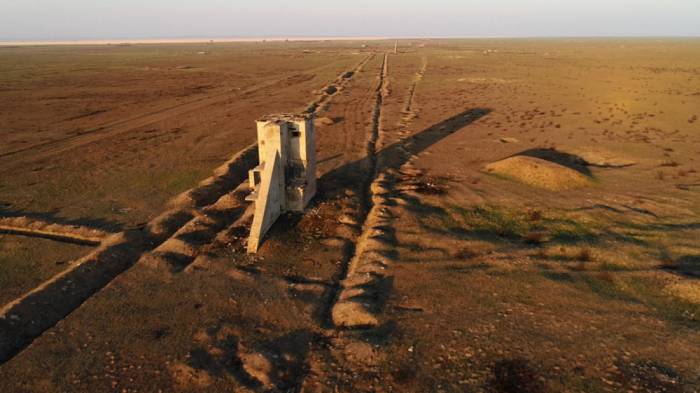
Recently disclosed documents shed light on the cooperation between the United States and Kazakhstan in the field of nuclear material security and the dismantling of infrastructure at the Semipalatinsk Test Site. This former Soviet nuclear testing ground, one of the largest in the USSR, has drawn the attention of American specialists since the early 1990s. However, the U.S. interest appears to be driven more by access to valuable data on Soviet nuclear developments than by environmental concerns, News.Az reports.
Semipalatinsk test site as a research objectThe Semipalatinsk Test Site offers unique opportunities for studying Soviet nuclear technologies. Every tunnel and underground cavern contains critical data, revealing details about the yield and design of nuclear weapons, identifying which models were enhanced and which were deemed dead ends. Access to such insights allows U.S. researchers to understand the technological paths taken by Soviet scientists, distinguishing successful innovations from abandoned developments.
The U.S.'s intention to continue research at this site raises questions, particularly regarding Kazakhstan's plans to rehabilitate the territory. The recent success of Rosatom in managing Soviet nuclear legacies in Tajikistan might have prompted U.S. authorities to consolidate their influence over the Semipalatinsk site and maintain access to this strategic legacy.
Nuclear materials in Kazakhstan: Priorities and risks
The majority of Kazakhstan’s fissile material is stored at the Mangyshlak Atomic Energy Complex, which houses the BN-350 reactor. This fast-neutron reactor, fueled by highly enriched uranium, is a vital part of the country’s nuclear infrastructure, demanding stringent security and careful handling of its spent nuclear fuel (SNF).
However, the recent decision to build a nuclear power plant (NPP) in Kazakhstan should not be directly linked to the current U.S. interest in nuclear research. NPP fuel is typically made from low-enriched uranium, unsuitable for weapons production, and thus does not fall within the scope of the U.S. Defense Threat Reduction Agency (DTRA). Furthermore, nuclear material control at NPPs is usually managed by the operator under the supervision of national authorities, minimizing external involvement in strategic resources.
Potential U.S. strategies
Despite the limited relevance of NPP fuel for military purposes, U.S. officials may seek to expand their influence over Kazakhstan's nuclear infrastructure. They are likely to pursue this not through the DTRA but via the Department of Energy, offering “attractive” cooperation initiatives. Such proposals could involve developing radiation monitoring systems and physical security frameworks for Kazakhstan’s nuclear storage facilities, effectively centralizing control under U.S. oversight.
The evolving U.S.-Kazakhstan cooperation in nuclear research requires careful monitoring, especially given the global competition over nuclear technology and strategic resources. Continued research at the Semipalatinsk Test Site, alongside potential U.S. involvement in Kazakhstan’s nuclear infrastructure, could increase American influence in Central Asia. Kazakhstan must balance its nuclear security needs with national interests, avoiding dependency on external actors while safeguarding its strategic sovereignty.


Similar news