US states link Medicaid data to deportation drive under Trump immigration push


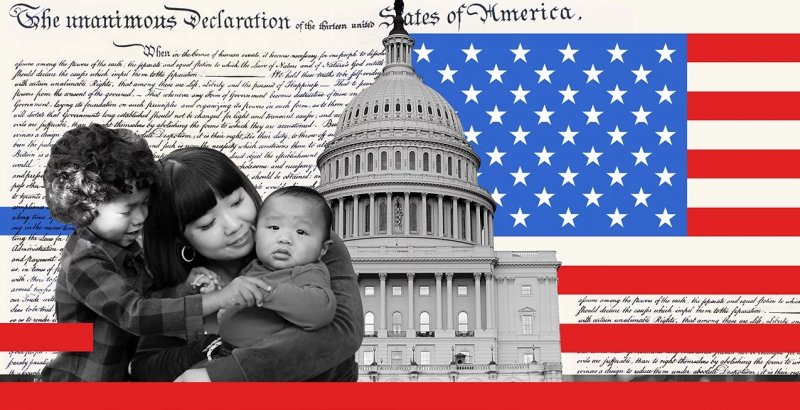
Several US states are expanding immigration enforcement by using public health systems to identify individuals suspected of being in the country illegally, as part of President Donald Trump’s broader deportation efforts.
North Carolina has become the latest Republican-led state to require its Medicaid program to flag recipients whose legal status is in question and report them to federal authorities, joining at least four other states that have adopted similar measures. Other states are also considering legislation that would extend reporting requirements across multiple government agencies, News.Az reports, citing CBS News.
The policy shift is part of a wider trend in which state governments are increasingly integrating immigration enforcement into healthcare administration, raising concerns among public health experts about access to medical services for vulnerable populations.
RECOMMENDED STORIES
- Cuban president vows resistance after major US sanctions escalation
- Giant hissing cockroaches among $200,000 worth of illegal insects seized in Australia
- What does the new US House bill on Russia sanctions and Ukraine aid mean?
- SpaceX blocked from early US benchmark index entry as S&P reaffirms existing rules
According to health policy researchers, such measures may discourage immigrants, including those in mixed-status families, from seeking medical care due to fear of exposure to immigration authorities. Critics argue the policies could affect not only undocumented individuals but also US citizen children in immigrant households.
Supporters of the laws say they are aimed at preventing fraud and ensuring compliance with eligibility rules, while opponents warn they risk undermining trust in healthcare systems and weakening public health outcomes.
By Leyla Şirinova


Similar news