US suggests tariffs may be pushing Putin toward peace talks


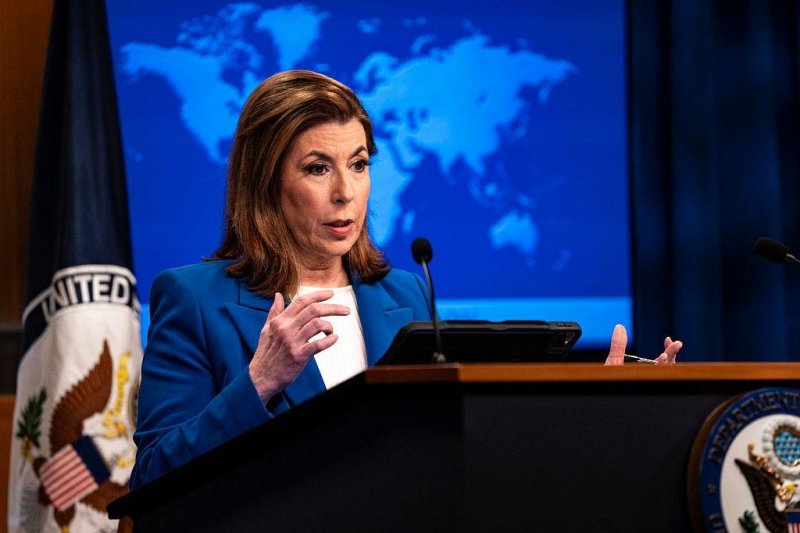
Economic pressure from the United States may be forcing Russian President Vladimir Putin to reconsider his stance on peace talks with Ukraine, according to U.S. State Department spokesperson Tammy Bruce. Speaking to NewsNation on August 6, Bruce suggested that Putin's delays in negotiations could be part of a broader strategy to buy time—but that mounting tariffs might be altering the equation.
Bruce emphasized the role of U.S. economic measures, particularly under President Donald Trump, in influencing Putin’s decisions. She said Trump’s willingness to introduce aggressive economic actions, including secondary sanctions, is signaling to Moscow that further stalling may come at a steep cost, News.Az reports, citing foreign media.
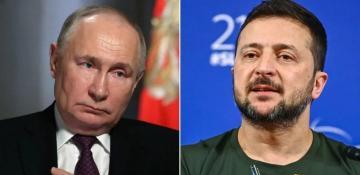
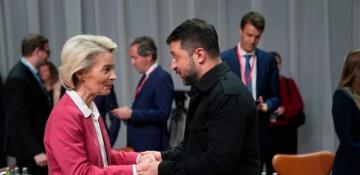
President Trump is expected to meet with Putin as early as next week, followed by a planned trilateral summit involving Ukrainian President Volodymyr Zelenskyy. This diplomatic push follows a July 14 ultimatum from Trump, giving Russia 50 days to reach a ceasefire or face “severe” tariffs. By July 28, the White House had already signaled a shortened timeline, reflecting growing impatience.
On August 6, U.S. special envoy Steve Witkoff held talks with Putin, as Trump’s August 8 deadline looms. That same day, Trump signed an executive order imposing a 25% tariff on imports from India, citing its ongoing purchases of Russian oil. The administration argued that these sales help fund Russia’s war efforts and warned other nations could face similar penalties.
The move follows a previous 25% tariff imposed on Indian imports starting August 1, tied to India’s energy and arms ties with Moscow. The administration has also outlined a plan for secondary sanctions targeting countries and companies that continue doing business with Russia, potentially restricting their access to U.S. markets. Nations like China that persist in buying Russian oil could see their exports to the U.S. taxed at rates as high as 100%.
Trump, who pledged to broker a peace agreement within 24 hours of returning to office, has expressed growing frustration with what he views as Moscow's stalling tactics. Washington’s strategy focuses on crippling Russia’s vital oil sector, which accounts for around one-third of its federal revenue and plays a central role in sustaining its war efforts.


Similar news