EU moves to reduce energy reliance amid Middle East tensions


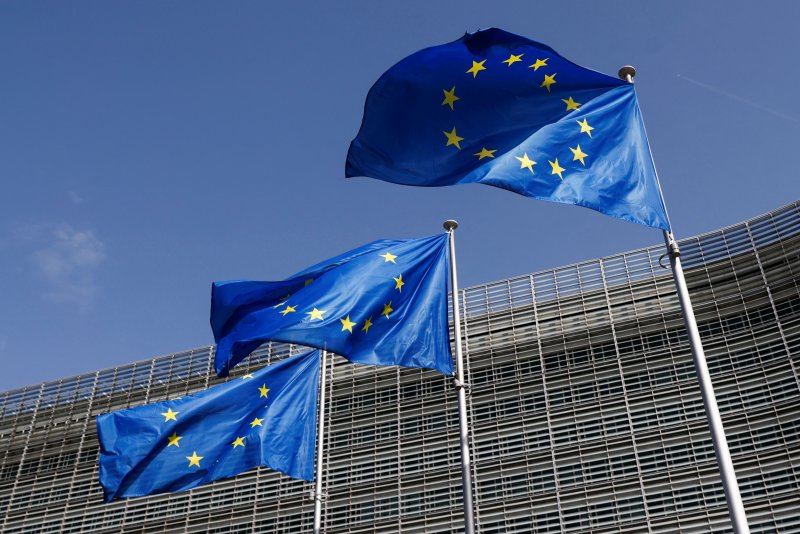
The European Commission has put forward a new package of measures designed to reduce dependence on imported fossil fuels and tackle rising energy costs linked to tensions in the Middle East, according to a press release issued on Wednesday.
Under the “AccelerateEU” initiative, the Commission stated that Europeans are “paying the price of Europe’s dependency on imported fossil fuels” for the second time in less than five years, News.Az reports, citing foreign media.
It noted that since the escalation of the conflict in the Middle East, the European Union has spent an additional €24 billion (nearly $25.6 billion) on energy imports due to higher prices, without receiving any increase in supply.
The Commission said the current situation underlines the urgency of accelerating the transition to clean energy, describing it as both an economic necessity and a security imperative.
RECOMMENDED STORIES
European Commission President Ursula von der Leyen emphasized that the strategy is intended to deliver “both immediate and more structural relief measures” while reinforcing energy independence.
“The choices we make today will shape our ability to face the challenges of today and the crises of tomorrow,” she said, adding that speeding up the shift to “homegrown, clean energies” would enhance resilience against geopolitical shocks.
The proposal includes coordinated actions among EU member states regarding gas storage, oil reserves, and fuel supply management, as well as the establishment of a new fuel observatory to track EU fuel flows and stock levels.
It also includes targeted support measures for consumers and industries, such as energy vouchers, income support schemes, and temporary flexibility under state aid rules.
In the longer term, the plan sets out measures to accelerate electrification, expand renewable energy infrastructure, and strengthen electricity grid networks across the bloc.
The Commission also stated that key EU funding instruments, including the Recovery and Resilience Facility and cohesion funds, should be deployed more rapidly. It stressed that private investment will be crucial to meeting estimated annual energy transition needs of €660 billion through 2030.
The proposal is scheduled to be discussed by EU leaders at an informal European Council meeting in the Greek Cypriot Administration on April 23–24.
By Nijat Babayev


Similar news