What does the record voter turnout in Tamil Nadu signify for the political landscape


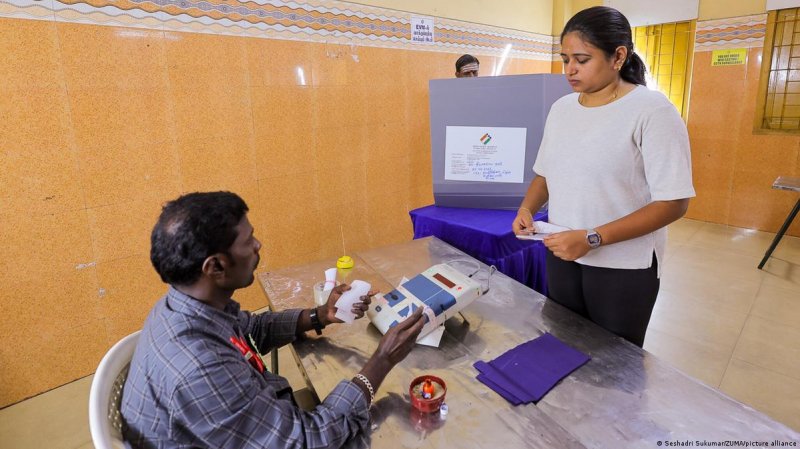
The more than 85 percent turnout in Tamil Nadu represents an exceptional level of democratic participation and indicates heightened political awareness among voters.
Such a surge typically reflects strong public interest in the outcome, driven by competitive contests, pressing policy issues, and the presence of multiple political alternatives.
RECOMMENDED STORIES
Historically, higher turnout can signal either support for the incumbent or a desire for change. In this case, the intensity of campaigning by all major parties and the emergence of new political forces suggest that voters were motivated by both factors. It points to a politically engaged electorate willing to actively shape the state’s future.
Why was turnout so high compared to previous elections
Several factors contributed to the sharp increase from 73.63 percent in 2021 to over 85 percent. First, the election featured a more dynamic contest, moving beyond the traditional two party rivalry. Second, extensive voter mobilisation campaigns, including digital outreach and grassroots efforts, brought more people to polling stations.
Additionally, issues such as governance, economic performance, welfare policies, and identity politics resonated strongly with voters. Improved electoral management and accessibility also played a role, making it easier for citizens to participate.
Who were the main political players in this election
The election saw three primary political formations. The ruling Dravida Munnetra Kazhagam led alliance sought to retain power, while the opposition All India Anna Dravida Munnetra Kazhagam coalition aimed for a comeback.
A key development was the rise of Tamilaga Vettri Kazhagam, led by actor politician Vijay, which introduced a third axis into the contest. In addition, Naam Tamilar Katchi continued to maintain influence under the leadership of Seeman.
This multi cornered competition contributed significantly to increased voter interest and turnout.
What were the key issues that shaped voter decisions
Voters were influenced by a mix of economic, social, and political issues. The ruling government emphasised welfare schemes, social justice, and federal rights, while the opposition focused on concerns such as rising state debt and law and order.
Delimitation emerged as an important topic, raising questions about political representation. At the same time, everyday concerns such as employment, inflation, and development remained central to voter choices.
The diversity of issues ensured that different segments of society found compelling reasons to participate in the election.
Was the voting process peaceful and well managed
Yes, the election was conducted in a largely peaceful manner. Authorities reported no major incidents, reflecting strong administrative preparation and effective security deployment.
Election officials ensured that polling stations were adequately staffed and equipped, while law enforcement agencies maintained order across constituencies. The smooth conduct of voting contributed to voter confidence and encouraged participation.
Which regions recorded the highest and lowest turnout
Karur district recorded the highest turnout at 91.86 percent, indicating extremely strong voter mobilisation. On the other hand, Kanyakumari registered the lowest turnout at 75.50 percent, though this still represents a high level of participation compared to many regions.
These variations highlight regional differences in political engagement, influenced by local issues, demographics, and campaign intensity.
How does this turnout compare with historical trends
The current turnout is among the highest ever recorded in Tamil Nadu’s electoral history. The previous peak was 78.29 percent in 2011, while the 2021 election saw 73.63 percent participation.
The jump to over 85 percent represents a significant shift, suggesting that voter engagement is increasing over time, particularly in competitive and high stakes elections.
What role did emerging parties play in this election
Emerging parties played a crucial role in reshaping the electoral landscape. The entry of Tamilaga Vettri Kazhagam added a new dimension, particularly attracting younger voters and those seeking alternatives to established parties.
Meanwhile, Naam Tamilar Katchi continued to influence specific voter segments with its distinct ideological positioning. The presence of these parties likely contributed to higher turnout by expanding voter choice.
What are the possible outcomes after counting day
There are three broad scenarios. The ruling DMK alliance could retain power if it secures a majority, indicating continued support for its policies. The AIADMK coalition could return to office if it manages to convert anti incumbency sentiment into votes.
A third possibility is that emerging parties significantly impact the results, potentially reducing the dominance of the two main alliances. While a hung assembly is less likely, it cannot be entirely ruled out given the multi cornered contest.
Does high turnout favour any particular party
High turnout does not automatically favour any one party. It can indicate either strong support for the incumbent or a wave of change.
The impact depends on which segments of the electorate turned out in greater numbers. For example, higher participation among urban youth or first time voters could benefit newer parties, while rural mobilisation might favour established political networks.
Therefore, the distribution of votes will be more important than the overall turnout figure.
What did political leaders say after polling concluded
Leaders from both major alliances expressed confidence. DMK president and Chief Minister M. K. Stalin described the turnout as a reflection of democratic values such as social justice and secularism.
AIADMK leader Edappadi K. Palaniswami also voiced optimism, asserting that his party would return to power. These statements reflect the competitive nature of the election and the uncertainty surrounding the outcome.
How important is this election for Tamil Nadu’s future
This election is highly significant as it will determine the direction of governance in one of India’s most economically and politically influential states.
The outcome will shape policy decisions on welfare, development, industrial growth, and social issues. It will also influence the balance of power within regional politics and potentially impact national political dynamics.
What happens next in the electoral process
The next step is the counting of votes, where ballots from all constituencies will be tallied. This process will determine the number of seats won by each party and alliance.
Once the results are declared, the party or coalition with a majority will form the government. If no single group secures a majority, negotiations may take place to form a coalition.
How could this election influence national politics
Tamil Nadu plays a key role in India’s federal structure and contributes significantly to national political discourse. The performance of major parties in the state can influence their standing at the national level.
A strong mandate for any party could reshape alliances and strategies ahead of future national elections. It may also affect policy debates on issues such as federalism, economic development, and social justice.
What should observers watch for on counting day
Observers should focus on seat wise results rather than just vote share. The distribution of seats will determine who forms the government.
Key battleground constituencies, performance of emerging parties, and margins of victory will provide insights into voter behaviour. Trends across regions will also help explain the broader mandate.
Conclusion
The record turnout in Tamil Nadu reflects a vibrant and engaged democracy, where voters are actively participating in shaping their political future. The combination of intense competition, diverse issues, and emerging political forces has created a high stakes election.
As the state awaits counting day, the results will not only determine the next government but also signal broader shifts in political dynamics. Regardless of the outcome, the election stands as a testament to the strength of democratic participation in Tamil Nadu.
By Faig Mahmudov


Similar news