Global conflicts and political tensions are often discussed in the language of diplomacy, military strategy, and high-level negotiations. Headlines focus on leaders, alliances, sanctions, and battlefields.
Yet the most profound and lasting consequences of these developments are not limited to governments or armed forces. They are felt daily by ordinary citizens, often far from the front lines. Understanding how global instability translates into everyday realities is essential for grasping why international affairs matter to people’s lives, livelihoods, and futures.
Rising costs of living and economic pressure
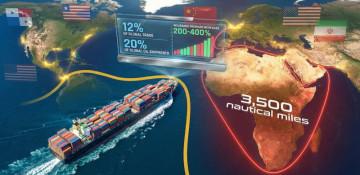
One of the most immediate ways global conflicts affect ordinary citizens is through the economy. Wars and political crises disrupt trade routes, energy supplies, and production chains. When oil, gas, grain, or critical raw materials become harder to transport or more expensive to produce, prices rise worldwide.
For households, this usually means higher energy bills, more expensive food, and increased transportation costs. Even conflicts occurring thousands of kilometers away can push up the price of bread, fuel, or electricity. Inflation driven by geopolitical instability erodes purchasing power, particularly for low- and middle-income families, forcing difficult choices about spending, saving, and long-term planning.
Economic uncertainty also affects employment. Companies facing higher costs or disrupted supply chains may freeze hiring, reduce investment, or cut jobs. Small businesses are often especially vulnerable, as they have fewer resources to absorb sudden price shocks or market volatility.
Energy security and everyday stability
Energy is a critical link between global politics and daily life. Political tensions between energy-producing and energy-consuming countries can lead to supply disruptions, sanctions, or price manipulation. For ordinary citizens, energy insecurity translates into unstable heating, cooling, and electricity costs.
In some regions, governments are forced to introduce energy rationing, subsidies, or emergency measures to protect consumers. While such policies can offer short-term relief, they often strain public finances and lead to higher taxes or reduced spending in other areas such as healthcare or education.
Longer term, geopolitical energy conflicts can accelerate transitions toward alternative energy sources. While this shift may bring environmental and strategic benefits, it also requires significant investment and adjustment, which again affects citizens through changes in infrastructure, pricing models, and employment patterns.
Food security and access to basic goods
Global conflicts frequently disrupt agricultural production and food exports. When major producing regions are affected by war or political instability, global food markets react quickly. Price spikes in wheat, corn, rice, or cooking oil can hit importing countries hard, particularly those with limited domestic production.
For ordinary citizens, food insecurity is not only about higher prices but also about availability. Shortages, rationing, or reduced variety can emerge, especially in vulnerable regions. In extreme cases, political instability contributes to humanitarian crises, forcing families to depend on aid or migrate in search of basic necessities.
Even in relatively stable countries, rising food prices can worsen social inequality. Households already spending a large share of their income on food are disproportionately affected, deepening existing economic and social divides.
Migration, displacement, and social change
Conflicts and political tensions are among the main drivers of migration and displacement. When people flee war, persecution, or economic collapse, the impact is felt both by those who leave and by the communities that receive them.
For displaced individuals and families, migration often means loss of home, livelihood, and social networks. The psychological toll can be severe, with long-term effects on mental health, education, and social integration.
Host communities also experience change. While migration can bring cultural diversity and economic contributions, it can also strain housing, public services, and labor markets if not managed effectively. Political debates around migration are often fueled by broader geopolitical tensions, influencing domestic politics and social cohesion.
Public services and government priorities
Periods of heightened global tension often force governments to reassess spending priorities. Increased defense budgets, border security measures, or emergency economic support programs may divert resources away from public services.
For ordinary citizens, this can mean slower improvements in healthcare, education, infrastructure, or social welfare. In some cases, governments introduce austerity measures or tax increases to finance security needs, further affecting household budgets.
At the same time, political tensions can reshape public policy agendas. Issues such as cybersecurity, information security, and national resilience gain prominence, influencing legislation that affects privacy, digital access, and civil liberties.
Information, media, and public perception
Modern conflicts are not fought only with weapons but also with information. Disinformation campaigns, propaganda, and polarized media coverage are increasingly common features of geopolitical confrontation.
Ordinary citizens are exposed to a constant stream of news, often conflicting or emotionally charged. This can create anxiety, confusion, and mistrust, making it harder to distinguish verified information from manipulation. Social media amplifies these effects, spreading narratives rapidly across borders.
The result is a more fragmented public discourse, where global tensions influence domestic debates, elections, and social relationships. Media literacy and critical thinking become essential skills for navigating this environment.
Personal security and psychological impact
Even when conflicts do not directly threaten physical safety, they can affect people’s sense of security. Continuous exposure to news about wars, terrorism, or political instability contributes to stress and uncertainty about the future.
Parents worry about their children’s prospects, savings lose value in unstable markets, and long-term plans such as buying a home or starting a business are postponed. This psychological impact is often underestimated but plays a significant role in shaping public attitudes and behavior.
In some regions, political tensions also lead to increased surveillance, restrictions on movement, or heightened security measures. While intended to protect the public, such steps can alter daily routines and perceptions of personal freedom.
Democracy, rights, and civic space
Global political tensions can influence the state of democracy and civil rights within countries. Governments facing external threats may justify emergency powers, restrictions on protests, or tighter control over media and civil society.
For ordinary citizens, this can mean reduced civic space and fewer opportunities to participate in public life. While security concerns are sometimes legitimate, prolonged states of exception risk normalizing limitations on rights and freedoms.
International conflicts also affect how societies perceive democratic values. Competing political models and narratives shape debates about governance, sovereignty, and individual rights, influencing domestic political choices.
Long-term consequences for future generations
The effects of global conflicts extend far beyond the present moment. Economic disruption, environmental damage, and weakened institutions can shape opportunities for future generations.
Children growing up during periods of instability may face interrupted education, limited job prospects, and reduced social mobility. Public debt accumulated to manage crises can constrain government spending for decades, affecting investment in innovation, healthcare, and climate adaptation.
At the same time, global tensions can also drive positive change, encouraging international cooperation in areas such as humanitarian aid, conflict prevention, and sustainable development. The direction these forces take depends largely on political choices and public engagement.
Why global affairs matter to everyday life
It is tempting to view global conflicts as distant events relevant only to diplomats and policymakers. In reality, international politics is deeply interconnected with daily life. Prices at the supermarket, job security, access to energy and food, personal freedoms, and social stability are all influenced by the global political environment.
For ordinary citizens, staying informed about world affairs is not about following abstract power struggles but about understanding the forces shaping their own circumstances. Awareness allows people to make better decisions, hold leaders accountable, and engage constructively in public debate.
In an increasingly interconnected world, global conflicts and political tensions are no longer remote phenomena. They are lived realities that cross borders and enter homes, workplaces, and communities. Recognizing this connection is the first step toward building more resilient societies that can withstand uncertainty while protecting the well-being and dignity of their citizens.