What risks do countries in the region face by helping Russia circumvent sanctions?


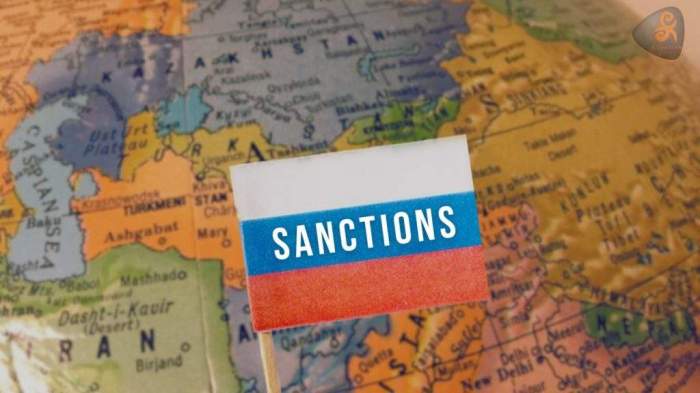
Western sanctions against Russia following its actions in Ukraine have created a complex and precarious situation for the countries of Central Asia and the Caucasus. These nations, which have long-standing economic ties with Moscow, now find themselves walking a tightrope between adhering to international norms and safeguarding their national economic interests. This precarious balancing act raises important questions about their strategies and the broader implications of these sanctions for the region.
The introduction of Western sanctions in 2014 marked the beginning of a new chapter in the relationship between Russia and its neighbors. Initially limited to targeted travel bans and asset freezes, these measures had little to no impact on economic ties between Russia and the nations of Central Asia and the Caucasus. However, the synchronization of U.S. and EU sanctions in mid-2014, extending to key sectors like finance and defense, signaled a shift. Although these measures did not formally limit cooperation, they introduced a layer of uncertainty.
By 2015, the possibility of secondary sanctions emerged as a significant concern. Countries engaging in business with Russian entities subject to "blocking sanctions" faced potential repercussions, compelling many to navigate these waters cautiously. Despite these challenges, ambiguities in sectoral sanctions allowed Central Asian and Caucasus nations to maintain economic ties, albeit in more discreet and creative ways.
The escalation of sanctions in 2022, following Russia's invasion of Ukraine, intensified this dynamic. Secondary sanctions, particularly those enforced by the U.S., became a powerful tool of economic coercion. For regional partners, this meant operating in a "gray zone," relying on small intermediary companies to circumvent restrictions.
However, this approach came with risks, as exposure could lead to severe consequences, including business closures and financial penalties.
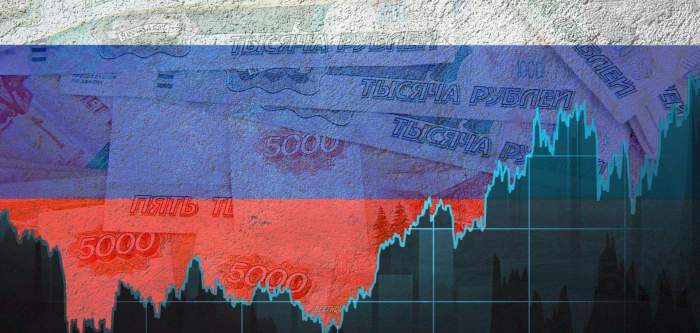
While sanctions imposed significant restrictions, they also created new opportunities for Central Asia and the Caucasus. Russia’s urgent need to substitute imports traditionally sourced from the West opened doors for intermediary and direct deliveries of industrial equipment, components, and raw materials. Financial transactions to acquire sensitive goods also became a lucrative, albeit risky, venture.
These opportunities, however, are not without their perils. The shadowy nature of these dealings makes them susceptible to detection and punitive actions by Western authorities. The heightened scrutiny has forced businesses to operate discreetly, limiting the scale and scope of their activities. Nevertheless, for those willing to take the risk, the potential profits are substantial.
Sanctions and geopolitical tensions have also spurred a migration of Russian labor and capital to countries like Kazakhstan, Armenia, Azerbaijan, and Georgia. Initially, the exodus was driven by professionals seeking stability amid economic turmoil and political uncertainty in Russia. Kazakhstan and Armenia were the primary beneficiaries of this wave, followed by Azerbaijan, Georgia, and Uzbekistan as the trend expanded.
Russian companies also sought refuge in these neighboring states, establishing branches to evade sanctions. However, most of these entities were extensions of their Russian counterparts, with limited independent operations. This trend highlights the challenges of capital and technology migration, as businesses remained tethered to their Russian roots.
The largest migration wave occurred during Russia's partial mobilization in late 2022. Yet, by mid-2023, the majority of those who left had returned, citing favorable business conditions in Russia's recovering economy. While the initial migration brought some benefits to host countries, its long-term impact has been relatively modest.
Regional governments and financial institutions have adopted a cautious approach to Western sanctions. Officially neutral, these governments avoid explicit endorsement or opposition, carefully navigating the geopolitical landscape. On the business front, financial institutions tend to comply with sanctions, while industrial and trading companies explore ways to bypass them.
Parallel imports from major economies in the Global South, including China, India, and Turkey, have been instrumental in maintaining supply chains. However, these operations come at a cost. The rising expenses of organizing parallel imports and the limited availability of sanctioned goods from Western countries pose ongoing challenges. Despite this, Russia’s increasing reliance on the Global South reduces its dependence on traditional supply routes, diminishing the leverage of Western sanctions.
One area where Western sanctions have shown remarkable flexibility is in the energy sector. The global oil market operates under its own set of rules, shaped by decades of policy and practice aimed at ensuring stability. Disrupting this market through stringent sanctions against Russian energy exports risks significant economic fallout, including inflation and slower growth in Western economies.
Russia’s pivotal role as one of the top three global oil producers further complicates this equation. Efforts to reduce Moscow’s revenue without destabilizing the market have proven challenging. Russia has adeptly redirected its oil exports from Europe to Asia, with China and India becoming key buyers. This shift underscores the limitations of Western sanctions in curbing Russian influence in the global energy market.
The countries of Central Asia and the Caucasus find themselves at the intersection of competing global forces. On one hand, they must adhere to international norms and avoid the repercussions of secondary sanctions. On the other, they must protect their economic ties with Russia, a critical partner in trade, energy, and security.
This balancing act demands careful diplomacy and strategic foresight. The evolving dynamics of sanctions, coupled with Russia’s increasing reliance on the Global South, highlight the need for these nations to diversify their economic partnerships and reduce dependence on any single player.
As the geopolitical landscape continues to shift, the ability of Central Asia and the Caucasus to adapt will determine their resilience and relevance in a rapidly changing world. While challenges abound, so too do opportunities for those willing to navigate the complexities of this new era.
The introduction of Western sanctions in 2014 marked the beginning of a new chapter in the relationship between Russia and its neighbors. Initially limited to targeted travel bans and asset freezes, these measures had little to no impact on economic ties between Russia and the nations of Central Asia and the Caucasus. However, the synchronization of U.S. and EU sanctions in mid-2014, extending to key sectors like finance and defense, signaled a shift. Although these measures did not formally limit cooperation, they introduced a layer of uncertainty.
By 2015, the possibility of secondary sanctions emerged as a significant concern. Countries engaging in business with Russian entities subject to "blocking sanctions" faced potential repercussions, compelling many to navigate these waters cautiously. Despite these challenges, ambiguities in sectoral sanctions allowed Central Asian and Caucasus nations to maintain economic ties, albeit in more discreet and creative ways.
The escalation of sanctions in 2022, following Russia's invasion of Ukraine, intensified this dynamic. Secondary sanctions, particularly those enforced by the U.S., became a powerful tool of economic coercion. For regional partners, this meant operating in a "gray zone," relying on small intermediary companies to circumvent restrictions.
However, this approach came with risks, as exposure could lead to severe consequences, including business closures and financial penalties.
While sanctions imposed significant restrictions, they also created new opportunities for Central Asia and the Caucasus. Russia’s urgent need to substitute imports traditionally sourced from the West opened doors for intermediary and direct deliveries of industrial equipment, components, and raw materials. Financial transactions to acquire sensitive goods also became a lucrative, albeit risky, venture.
These opportunities, however, are not without their perils. The shadowy nature of these dealings makes them susceptible to detection and punitive actions by Western authorities. The heightened scrutiny has forced businesses to operate discreetly, limiting the scale and scope of their activities. Nevertheless, for those willing to take the risk, the potential profits are substantial.
Sanctions and geopolitical tensions have also spurred a migration of Russian labor and capital to countries like Kazakhstan, Armenia, Azerbaijan, and Georgia. Initially, the exodus was driven by professionals seeking stability amid economic turmoil and political uncertainty in Russia. Kazakhstan and Armenia were the primary beneficiaries of this wave, followed by Azerbaijan, Georgia, and Uzbekistan as the trend expanded.
Russian companies also sought refuge in these neighboring states, establishing branches to evade sanctions. However, most of these entities were extensions of their Russian counterparts, with limited independent operations. This trend highlights the challenges of capital and technology migration, as businesses remained tethered to their Russian roots.
The largest migration wave occurred during Russia's partial mobilization in late 2022. Yet, by mid-2023, the majority of those who left had returned, citing favorable business conditions in Russia's recovering economy. While the initial migration brought some benefits to host countries, its long-term impact has been relatively modest.
Regional governments and financial institutions have adopted a cautious approach to Western sanctions. Officially neutral, these governments avoid explicit endorsement or opposition, carefully navigating the geopolitical landscape. On the business front, financial institutions tend to comply with sanctions, while industrial and trading companies explore ways to bypass them.
Parallel imports from major economies in the Global South, including China, India, and Turkey, have been instrumental in maintaining supply chains. However, these operations come at a cost. The rising expenses of organizing parallel imports and the limited availability of sanctioned goods from Western countries pose ongoing challenges. Despite this, Russia’s increasing reliance on the Global South reduces its dependence on traditional supply routes, diminishing the leverage of Western sanctions.
One area where Western sanctions have shown remarkable flexibility is in the energy sector. The global oil market operates under its own set of rules, shaped by decades of policy and practice aimed at ensuring stability. Disrupting this market through stringent sanctions against Russian energy exports risks significant economic fallout, including inflation and slower growth in Western economies.
Russia’s pivotal role as one of the top three global oil producers further complicates this equation. Efforts to reduce Moscow’s revenue without destabilizing the market have proven challenging. Russia has adeptly redirected its oil exports from Europe to Asia, with China and India becoming key buyers. This shift underscores the limitations of Western sanctions in curbing Russian influence in the global energy market.
The countries of Central Asia and the Caucasus find themselves at the intersection of competing global forces. On one hand, they must adhere to international norms and avoid the repercussions of secondary sanctions. On the other, they must protect their economic ties with Russia, a critical partner in trade, energy, and security.
This balancing act demands careful diplomacy and strategic foresight. The evolving dynamics of sanctions, coupled with Russia’s increasing reliance on the Global South, highlight the need for these nations to diversify their economic partnerships and reduce dependence on any single player.
As the geopolitical landscape continues to shift, the ability of Central Asia and the Caucasus to adapt will determine their resilience and relevance in a rapidly changing world. While challenges abound, so too do opportunities for those willing to navigate the complexities of this new era.
(If you possess specialized knowledge and wish to contribute, please reach out to us at opinions@news.az).


Similar news