Why deadly dust storms, hail and strong winds are hitting India and what it means for the region


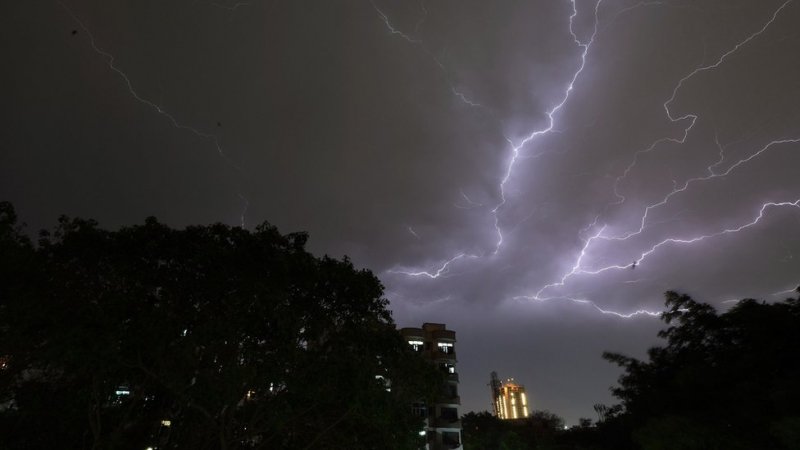
A powerful combination of dust storms, hail, and strong winds has struck parts of India, causing casualties and significant infrastructure damage. The worst impact has been reported in the state of Uttar Pradesh, one of the country’s most densely populated regions.
Homes have been damaged, power lines disrupted, and transport systems affected, while emergency services continue to assess the scale of destruction. Reports indicate that sudden weather shifts caught many residents off guard, increasing the human toll.
RECOMMENDED STORIES
What caused this extreme weather event
The combination of dust storms, hail, and high winds is typically linked to intense atmospheric instability. In northern India, such events often occur during seasonal transitions when hot air near the surface interacts with cooler upper level systems.
Dust storms are triggered when strong winds lift dry soil and sand into the atmosphere, reducing visibility and creating hazardous conditions. When combined with moisture laden air, these systems can produce hail and violent thunderstorms.
This type of multi hazard weather event is becoming more frequent due to changing climate patterns and rising temperature contrasts.
Why Uttar Pradesh was particularly affected
Uttar Pradesh’s geography and population density make it especially vulnerable to such events.
Large open plains allow winds to gain speed, while urban expansion has increased exposure to environmental risks. In rural areas, weaker infrastructure makes communities more susceptible to damage from high winds and hail.
Additionally, agricultural regions suffer significant losses when hailstorms destroy crops, affecting both livelihoods and food supply chains.
How dust storms increase risk for people and infrastructure
Dust storms can be extremely dangerous, even without rainfall.
They reduce visibility to near zero, leading to traffic accidents and disruptions in air and ground transport. Fine particles in the air can also cause respiratory problems, particularly for vulnerable populations.
Strong winds accompanying dust storms can damage buildings, uproot trees, and bring down power lines, creating widespread outages.
In urban areas, construction sites and poorly secured structures become additional hazards.
What role does hail play in amplifying damage
Hailstorms add another layer of destruction to severe weather systems.
Large hailstones can damage roofs, vehicles, and crops within minutes. In agricultural regions, this can lead to significant economic losses.
Hail also increases the risk of injury, particularly for people caught outdoors without shelter.
When combined with strong winds, hail can be driven at high speeds, increasing its destructive potential.
Why strong winds are particularly dangerous in densely populated areas
High winds can cause rapid and widespread damage, especially in densely populated regions like Uttar Pradesh.
Weak or poorly constructed buildings are particularly vulnerable. Temporary structures, roadside stalls, and informal housing are often the first to be affected.
Falling debris poses a major risk to public safety, while damage to infrastructure can disrupt essential services such as electricity, water, and communication.
In some cases, strong winds can also trigger secondary hazards such as fires or further structural collapses.
Are such weather events becoming more common in India
There is growing evidence that extreme weather events are increasing in frequency and intensity across India.
Climate change is altering temperature patterns, increasing the likelihood of sudden and severe storms. Rising heat levels contribute to greater atmospheric instability, which can trigger violent weather systems.
At the same time, land degradation and deforestation in some regions can exacerbate dust storm conditions by reducing vegetation cover that would otherwise stabilize soil.
What are the immediate humanitarian impacts
The immediate impact of such events includes casualties, injuries, and displacement.
Families may lose homes or livelihoods, particularly in rural areas where agriculture is a primary source of income. Damage to infrastructure can disrupt access to essential services, complicating relief efforts.
Emergency response teams must often deal with multiple challenges simultaneously, including rescue operations, medical assistance, and restoration of basic services.
How authorities respond to such disasters
Local and national authorities typically activate emergency response mechanisms following such events.
This includes deploying rescue teams, providing medical aid, and assessing damage. Efforts are also made to restore electricity and communication networks as quickly as possible.
In some cases, temporary shelters are established for displaced residents, while financial assistance may be provided to affected families.
Early warning systems and public advisories are increasingly used to reduce risk, though their effectiveness can vary.
What are the long term implications
Beyond immediate damage, such events can have lasting economic and social impacts.
Agricultural losses can affect food supply and income for farmers. Infrastructure damage may take time to repair, slowing economic activity.
Repeated exposure to extreme weather can also strain public resources and highlight the need for more resilient infrastructure.
Urban planning and disaster preparedness will play a crucial role in mitigating future risks.
What can be done to reduce future risks
Reducing the impact of such disasters requires a combination of measures.
Improving early warning systems can give people more time to prepare. Strengthening infrastructure can reduce vulnerability to high winds and storms.
Environmental measures such as reforestation and soil management can help reduce the intensity of dust storms.
Public awareness and preparedness are also essential, as informed communities are better able to respond to emergencies.
Conclusion
The deadly combination of dust storms, hail, and strong winds in Uttar Pradesh highlights the growing complexity of extreme weather events.
As climate patterns continue to evolve, such multi hazard events may become more common, posing significant challenges for densely populated regions.
Addressing these risks will require coordinated efforts, investment in resilience, and a deeper understanding of the changing environment.
By Faig Mahmudov


Similar news