Why elite Pokémon GO accounts create so much community hype


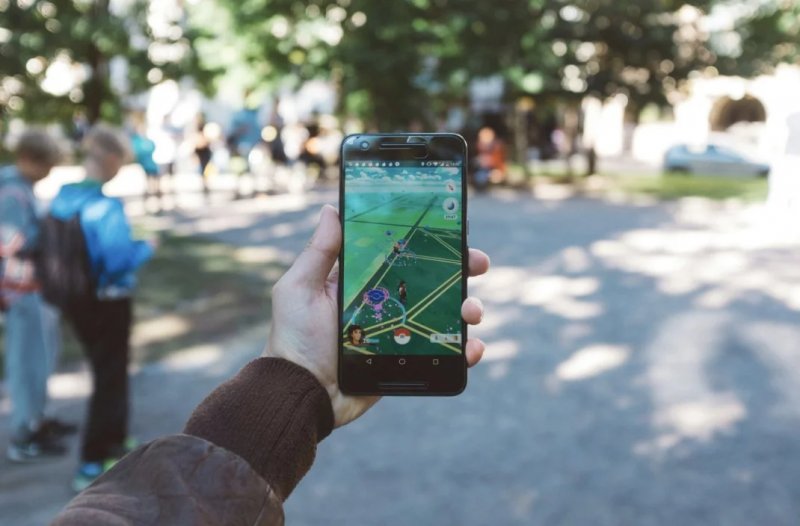
There is something strangely magnetic about seeing a Pokémon GO account packed with impossible-looking collections. A trainer opens their profile, and suddenly the room changes. People stop talking for a second. Screens tilt closer. Someone quietly says, “Wait, is that a Shundo Mewtwo?” And honestly, that reaction says a lot about modern gaming culture.
Pokémon GO was never just about catching creatures outside in the rain while pretending not to look ridiculous in public. Somewhere along the way, elite accounts became symbols. Not only of dedication, but of timing, luck, patience, travel, social status, and sometimes pure obsession. Well, yes, obsession absolutely plays a role here.
It’s strange because most players won’t admit it openly, yet they’re still drawn to those profiles. Even so, people trade screenshots, compare their discoveries side by side, debate rare drops, and the most successful trainers end up in the spotlight, much like celebrities. Come to think of it, the account itself often becomes more famous than the player behind it.
The Digital Trophy Cabinet Nobody Can Ignore
In most games, progress feels temporary. New seasons arrive, rankings reset, metas change. Pokémon GO works differently because collections feel permanent. A rare Pokémon caught in 2017 still carries emotional weight today.
That creates a strange type of prestige. Elite accounts often contain:
- Legacy Pokémon with removed movesets
- Event-exclusive shinies from limited festivals
- Region-locked creatures gathered through international travel
- Maxed-out raid attackers requiring enormous Stardust investments
And unlike traditional multiplayer games, these achievements are visible immediately. A quick profile check can reveal years of commitment within seconds. Exactly. The account becomes a public museum of gaming history.
Rare Pokémon Became Social Currency
At first glance, Pokémon GO seems casual. Bright colours, simple mechanics, friendly mascots. But underneath that surface sits an incredibly status-driven ecosystem.
After the second major wave of competitive and collector-focused gameplay emerged, many online discussions started revolving around account progression itself, including marketplaces and collection showcases connected to services like https://playhub.com/pokemon-go/accounts.
The conversation shifted from “What Pokémon did you catch today?” toward “How advanced is your collection really?” That shift changed community behaviour more than many people realise.
The Psychology of Visible Rarity
Scarcity creates stories. A shiny Detective Pikachu from a short event window is not just data on a screen. It becomes proof that someone participated in a specific gaming moment years ago.
Humans naturally attach emotional value to scarce objects. Pokémon GO simply translated that instinct into digital collecting. And because some events lasted only hours, older elite accounts now resemble time capsules from earlier eras of the game.
True, newer players can still build strong collections. But certain catches are literally impossible to obtain again in the same form. That permanence fuels hype continuously.
Why “Flex Culture” Works So Well in Pokémon GO
Other online games usually hide achievements behind menus or statistics pages. Pokémon GO places rare creatures directly into social interactions.
A trainer joins a raid lobby with a shiny costume legendary Pokémon and instantly attracts attention. No explanations needed. The community quietly developed its own hierarchy based on visual signals:
- Shundos often represent elite luck and grinding
- Level 50 Pokémon suggest extreme resource investment
- Rare costumes indicate long-term event participation
- Huge shiny collections imply relentless consistency
None of this is officially recognised by the game itself, which makes it even more fascinating. Players collectively invented the prestige system on their own.
Elite Accounts Tell Stories Without Words
Perhaps that is the real reason these accounts create so much hype. They feel personal. One trainer’s collection might reflect years of travelling across continents for Safari Zone events. Another account may showcase endless late-night raid sessions with local communities. Some collections reveal unbelievable dedication to PvP optimisation, where tiny stat differences matter enormously. There is history inside these profiles.
And strangely enough, people sense that immediately. A powerful account not only displays rare Pokémon. It quietly communicates discipline, nostalgia, social participation, and patience. That emotional layer matters far more than raw gameplay value.
The “Invisible Grind” Nobody Sees
Most elite Pokémon GO accounts are built through absurdly repetitive routines. Hundreds of raids. Thousands of catches. Endless inventory management. Walking distances that would honestly sound fake outside gaming conversations.
A single fully optimised legendary Pokémon can require:
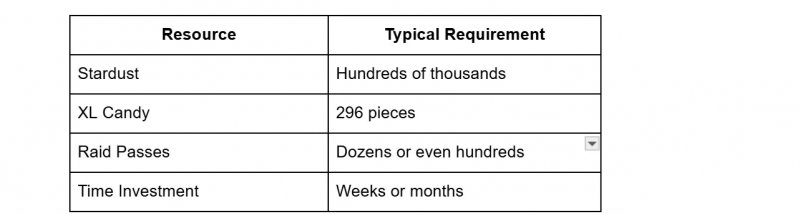
Yet communities rarely focus on the grind itself. They focus on the final visual impact. That creates an illusion where elite accounts appear almost mythical, even though they are usually products of relentless repetition and long-term consistency.

Community Hype Thrives on Shared Envy
Here is the awkward truth nobody likes admitting: envy drives engagement. Not toxic envy necessarily. More like fascinated admiration mixed with disbelief. Someone sees a complete shiny legendary collection and immediately imagines the effort behind it. Could that collection ever be matched? Maybe. But probably not easily.
That tension keeps conversations alive inside communities. Trainers compare inventories, debate rarity, discuss event history, and speculate about impossible catches. The hype feeds itself naturally because rare digital collections trigger the same instincts as rare physical collectables. People simply love seeing extraordinary things.


Similar news