Why Greenland stands between China ambitions and Denmark authority


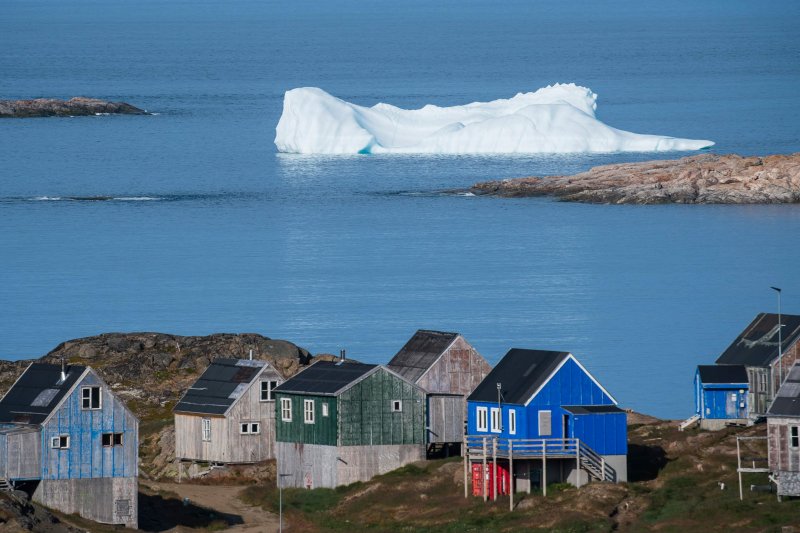
Greenland has moved from the periphery of international attention to the center of global strategic calculations, News.Az reports.
Its vast territory, sparse population, and location between North America and Europe have long given it quiet importance. Today, accelerating climate change, resource considerations, and shifting power balances have turned Greenland into a focal point where the interests of China and Denmark increasingly intersect.
The evolving dynamics between Greenland, China, and Denmark illustrate how geography, economics, and politics converge in the Arctic. What was once a remote region is now a stage for careful diplomacy and strategic planning. Understanding these relationships requires examining history, sovereignty arrangements, economic ambitions, and the broader international environment shaping Arctic affairs.
Greenland political status and governance
Greenland is an autonomous territory within the Kingdom of Denmark. While Denmark retains responsibility for foreign policy, defense, and monetary matters, Greenland exercises wide control over domestic affairs including education, health, and natural resource management.
This autonomy has allowed Greenland to develop its own political identity and long term aspirations. Many in Greenland view economic self reliance as a pathway toward greater independence. As a result, foreign investment and international partnerships are often evaluated not only for economic benefit but also for their political implications.
Denmark, for its part, seeks to balance respect for Greenland autonomy with its responsibilities as the sovereign state. This balance becomes more complex as external powers show increasing interest in Greenland resources and strategic position.
Why Greenland matters in the Arctic context
Greenland occupies a unique geographic position in the Arctic. It sits astride key sea routes that may become more navigable as ice coverage changes. It also hosts valuable natural resources including rare earth elements, minerals, and potential energy reserves.
Beyond resources, Greenland location offers strategic depth. It lies along transatlantic corridors that are significant for security and communications. This reality has long shaped defense considerations and continues to influence how global actors assess the region.
As Arctic governance gains prominence in international forums, Greenland voice and choices carry growing weight. This has drawn attention from countries seeking a role in Arctic affairs even if they are not Arctic coastal states.
China growing interest in Greenland
China has steadily expanded its engagement with Arctic issues over the past decade. It describes itself as a near Arctic state and emphasizes scientific research, economic cooperation, and sustainable development.
Greenland has featured in this approach due to its resource potential and strategic location. Chinese companies have expressed interest in mining projects and infrastructure development. These initiatives are often framed as commercial ventures aligned with Greenland development goals.
However, such interest has raised questions within Denmark and among its allies about long term strategic implications. While China presents its involvement as economic and scientific, others view it through a geopolitical lens shaped by broader global competition.
Denmark perspective on external engagement
Denmark approaches Greenland external relations with caution. As a small state with strong alliances, Denmark is sensitive to activities that could alter the security balance in the Arctic.
Copenhagen has repeatedly emphasized that foreign investments in Greenland must align with national security considerations. This has led to closer scrutiny of projects involving non Western actors, particularly when infrastructure or strategic assets are involved.
At the same time, Denmark recognizes Greenland right to pursue economic development. Managing this dual responsibility requires diplomacy and constant consultation with Greenland authorities.
Economic development and resource ambitions
Economic development is central to Greenland future. The territory relies heavily on fishing and public sector employment. Diversification is seen as essential to reduce dependence on subsidies from Denmark.
Mining has been promoted as a potential driver of growth. Greenland holds deposits of minerals critical to modern technologies. Interest from international investors including Chinese firms has highlighted both opportunity and risk.
Greenland leaders often stress that any development must respect environmental standards and local communities. These conditions shape negotiations and sometimes slow progress, but they also reflect a desire for sustainable growth.
Security considerations in the Arctic
Security concerns in the Arctic are evolving. While the region has traditionally been characterized by cooperation, increased military activity and strategic competition have altered perceptions.
Greenland strategic importance is tied to its role in monitoring transatlantic approaches and hosting critical infrastructure. Denmark coordinates closely with partners on these matters, making it cautious about foreign involvement that could complicate security arrangements.
China presence in the Arctic remains limited, but even symbolic steps attract scrutiny. This environment influences how Denmark evaluates engagement between Greenland and Chinese entities.
Diplomatic balancing by Greenland authorities
Greenland leaders face the challenge of balancing economic opportunity with political and security realities. Engaging with China offers potential investment and market access. At the same time, maintaining trust with Denmark and Western partners is essential.
This balancing act requires careful diplomacy. Greenland officials often emphasize transparency and consultation in dealings with foreign partners. They also highlight that Greenland seeks cooperation rather than alignment with any single power.
Such messaging aims to reassure all sides while preserving Greenland agency in shaping its future.
China Arctic strategy and Greenland role
China broader Arctic strategy focuses on scientific research, shipping routes, and economic cooperation. Greenland fits into this framework as a location for research and potential resource partnerships.
Chinese policy statements emphasize respect for Arctic states sovereignty. In practice, engagement depends on host government approval and international norms. This means Denmark role remains central in determining the scope of China involvement in Greenland.
As China continues to expand its global footprint, its Arctic activities will likely remain measured but persistent.
Denmark role within international alliances
Denmark is a member of major Western alliances and coordinates its Arctic policy with partners. This context shapes its approach to Greenland and external actors.
Copenhagen seeks to ensure that Arctic governance remains rules based and cooperative. It supports dialogue but remains alert to actions that could undermine stability.
In this framework, Denmark handling of Greenland relations with China serves as a test case for managing engagement with rising powers while upholding alliance commitments.
Environmental and climate dimensions
Climate change is a defining factor in Greenland future. Melting ice opens new possibilities but also poses serious risks to ecosystems and traditional ways of life.
Any foreign investment or infrastructure project is evaluated through an environmental lens. Greenland communities place high value on protecting their environment.
China has emphasized green development in its Arctic rhetoric. Denmark and Greenland assess whether such commitments translate into practice.
Implications for global geopolitics
The interaction between Greenland, China, and Denmark reflects broader trends in global geopolitics. It shows how smaller regions can gain outsized importance due to geography and resources.
It also illustrates the complexity of sovereignty arrangements in a world of competing interests. Greenland autonomy within the Danish realm adds layers to decision making and diplomacy.
For China, engagement in Greenland is part of a global outreach strategy. For Denmark, it is a matter of safeguarding sovereignty and security. For Greenland, it is about shaping a viable and dignified future.
Future scenarios and possible trajectories
Several trajectories are possible. Greenland could attract diversified investment from a range of partners, reducing reliance on any single country. This would support economic goals while easing political concerns.
Alternatively, heightened global competition could narrow Greenland options and increase pressure on local authorities. In such a scenario, Denmark role as mediator would become even more important.
The most likely outcome lies between these extremes. Incremental engagement, cautious oversight, and continued dialogue will shape developments.
Conclusion
Greenland position at the intersection of China economic ambitions and Denmark sovereign responsibilities highlights the evolving nature of Arctic geopolitics. What happens in this vast territory has implications far beyond its borders.
As climate change reshapes access and interest, Greenland will remain under close observation. The challenge for all parties is to ensure that engagement promotes stability, respects autonomy, and supports sustainable development.
The relationship between Greenland, China, and Denmark will continue to evolve, offering insights into how global powers interact in sensitive regions during a period of profound change.


Similar news