Why India's viral 'Cockroach Janta Party' faced a sudden block


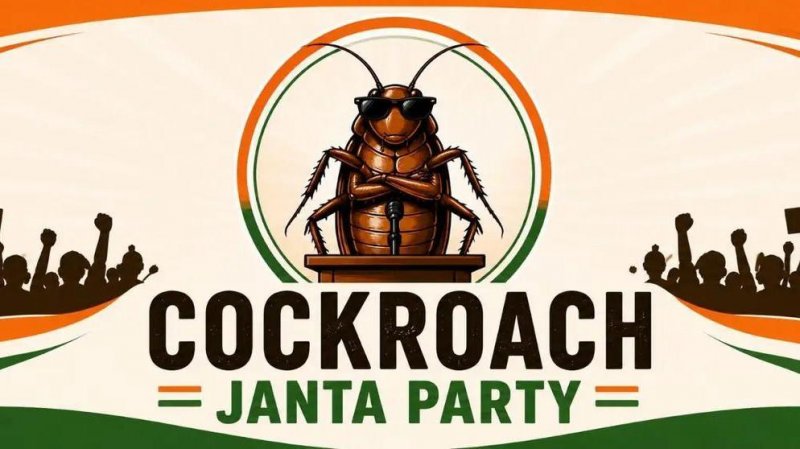
A massive internet phenomenon driven by Indian Gen Z humor has found itself at the center of a major free speech controversy, with its creator alleging a coordinated government crackdown, account hacking, and personal threats.
The satirical digital movement, named the "Cockroach Janta Party" (CJP), exploded in popularity to capture over 22 million Instagram followers in just a matter of days—surpassing the official social media following of Prime Minister Narendra Modi’s ruling Bharatiya Janata Party (BJP). The account struck a powerful nerve with younger internet users by using sharp, viral satire to spotlight systemic frustrations like skyrocketing youth unemployment and chronic government exam paper leaks, News.Az reports, citing Reuters.
However, the viral run came to a sudden halt. "The government has taken down our iconic website," CJP founder Abhijeet Dipke announced on X. Dipke further alleged that the group's X account has been restricted inside India, their Instagram page has been compromised, and his family has targeted with anonymous threats.
RECOMMENDED STORIES
While digital rights organizations like the Internet Freedom Foundation have fiercely condemned the account blocking as an arbitrary attack on free speech, the government has remained quiet. India’s IT and home ministries have not confirmed any official action or responded to requests for comment.
Where the movement came from: The satirical account originally launched as an internet joke after a top Indian judge made controversial remarks comparing unemployed youth to "cockroaches." Young users quickly co-opted the insult as a badge of honor to protest economic anxieties.
The explosive growth of the CJP highlights a growing generational divide in India. Even though Modi's party has secured recent dominant wins in key state elections, younger voters are expressing deep anxiety. According to a recent poll by CVoter, over 60% of Indians aged 18 to 24 feel heavily anxious about their professional futures, fueled by a 14% urban youth unemployment rate and the recent leak of a medical entrance exam that thrown the futures of 2.3 million candidates into chaos.
Government officials have dismissed the movement's organic nature. Federal Minister Kiren Rijiju publicly criticized the account on social media, claiming its followers were artificially driven from outside the country and labeling the organizers as part of an "anti-India gang."
Dipke fired back by publishing his page analytics, proving that more than 94% of his millions of followers are located right in India. "Why is a union minister labeling Indian youth as Pakistani?" Dipke questioned. As the digital standoff intensifies, political analysts note that the underlying frustrations of India's youth will require real economic solutions, rather than just online censorship.
By Aysel Mammadzada


Similar news