Why middle east tensions continue shaping global politics and security


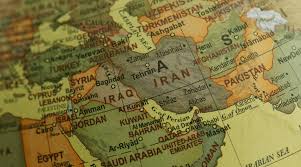
Tensions in the Middle East remain one of the most persistent drivers of global political uncertainty, News.Az reports.
The region occupies a unique position at the intersection of energy flows trade routes religious influence and strategic military geography. Events unfolding there rarely remain local. They ripple outward affecting financial markets diplomatic alignments migration patterns and security calculations across continents. Understanding why Middle East tensions endure is therefore essential not only for regional observers but also for policymakers investors and citizens worldwide.
Historical roots of instability
The contemporary Middle East is shaped by borders institutions and power structures that emerged in the twentieth century. Many states were formed rapidly after the collapse of empires leaving unresolved questions of identity governance and legitimacy. Competing national projects sectarian divisions and external interventions created fault lines that never fully healed. These historical layers continue to influence present conflicts making each crisis an accumulation of decades rather than a sudden rupture.
Energy and economic centrality
The Middle East holds a central role in global energy markets. A significant share of the world’s oil and gas reserves lies within the region and critical maritime chokepoints connect producers to consumers. Any escalation that threatens production facilities pipelines or shipping lanes immediately affects global prices and inflation expectations. This economic sensitivity ensures that political tensions quickly become international concerns.
Geopolitical competition and power projection
Major powers view the Middle East as a strategic arena. Military bases alliances arms sales and diplomatic initiatives reflect broader global rivalries. Regional actors also pursue influence beyond their borders seeking leadership roles or strategic depth. This overlapping competition means that local disputes often attract external involvement which can harden positions and complicate resolution efforts.
Security dilemmas and militarization
Persistent insecurity has driven many Middle Eastern states to prioritize military strength. Defense spending remains high and advanced weapon systems are widely deployed. While intended as deterrence this militarization can fuel mistrust. When neighbors interpret defensive measures as offensive threats a cycle of escalation becomes difficult to break.
Role of non state actors
Beyond governments the region hosts numerous non state actors with political military or ideological agendas. These groups operate across borders and often exploit weak governance or social grievances. Their actions can provoke responses that escalate conflicts and draw in state actors. Managing such dynamics requires approaches that go beyond traditional diplomacy.
Internal governance challenges
Domestic political structures significantly shape regional stability. Issues such as economic inequality youth unemployment corruption and limited political participation contribute to social frustration. Periodic unrest can weaken state authority and invite external influence. Sustainable stability depends not only on regional diplomacy but also on inclusive governance and economic reform within states.
Impact on global security architecture
Middle East tensions influence global security frameworks including counterterrorism cooperation maritime security and arms control efforts. Alliances are tested when crises demand collective responses. Disagreements over strategy or values can strain partnerships far beyond the region itself.
Information warfare and public perception
Modern conflicts are accompanied by intense information campaigns. Narratives spread rapidly through digital platforms shaping public opinion and diplomatic space. Competing versions of events complicate mediation efforts and can harden domestic support for confrontational policies. Managing perception has become as important as managing troop movements.
Humanitarian consequences and migration
Conflict in the Middle East has produced large scale humanitarian crises. Displacement strains neighboring countries and influences migration debates in Europe and beyond. Humanitarian needs intersect with security concerns creating complex policy challenges for host states and international organizations.
Economic diversification and future prospects
Several Middle Eastern economies are pursuing diversification strategies to reduce dependence on hydrocarbons. Success in these efforts could alter regional dynamics by creating new sources of employment and stability. However economic transition requires political will social consensus and regional calm which ongoing tensions often undermine.
Diplomacy and conflict management
Despite recurring crises diplomacy remains active. Regional dialogues confidence building measures and international mediation efforts continue. While breakthroughs are rare incremental progress can reduce risks and prevent escalation. Diplomatic persistence is therefore a critical component of managing Middle East tensions.
Why tensions persist despite engagement
The endurance of Middle East tensions reflects a convergence of unresolved historical issues strategic competition economic interests and domestic challenges. No single agreement can address all these dimensions simultaneously. Progress tends to be uneven with periods of calm followed by renewed friction.
Long term global implications
As the international system becomes more multipolar the Middle East will remain a testing ground for global order. How major powers manage competition there may set precedents for other regions. Energy transition trends could gradually change the region’s economic leverage but its strategic location ensures continued relevance.
Conclusion and outlook
Middle East tensions are not an isolated phenomenon but a central element of global politics. Understanding their drivers requires a holistic view that connects history economics security and governance. While the path toward lasting stability is complex sustained engagement inclusive development and cautious diplomacy offer the most viable way forward.
By Faig Mahmudov


Similar news