Aygün Attar: Azerbaijan, unlike many regional actors, did not turn the crisis in Iran into a propaganda tool - INTERVIEW


Why Tehran is increasingly searching for an “external culprit,” what genuinely unsettles the Iranian establishment in its approach to Azerbaijan, and why the South Caucasus is rapidly moving beyond the era of proxy politics. News.Az explores these issues with political scientist and Professor Aygün Attar.
– If the protests in Iran have clear socio-economic causes, does the constant appeal to an “external factor”, including Azerbaijan, risk turning from a security instrument into a symptom of the Iranian elite’s inability to speak honestly with its own society and carry out internal reforms?
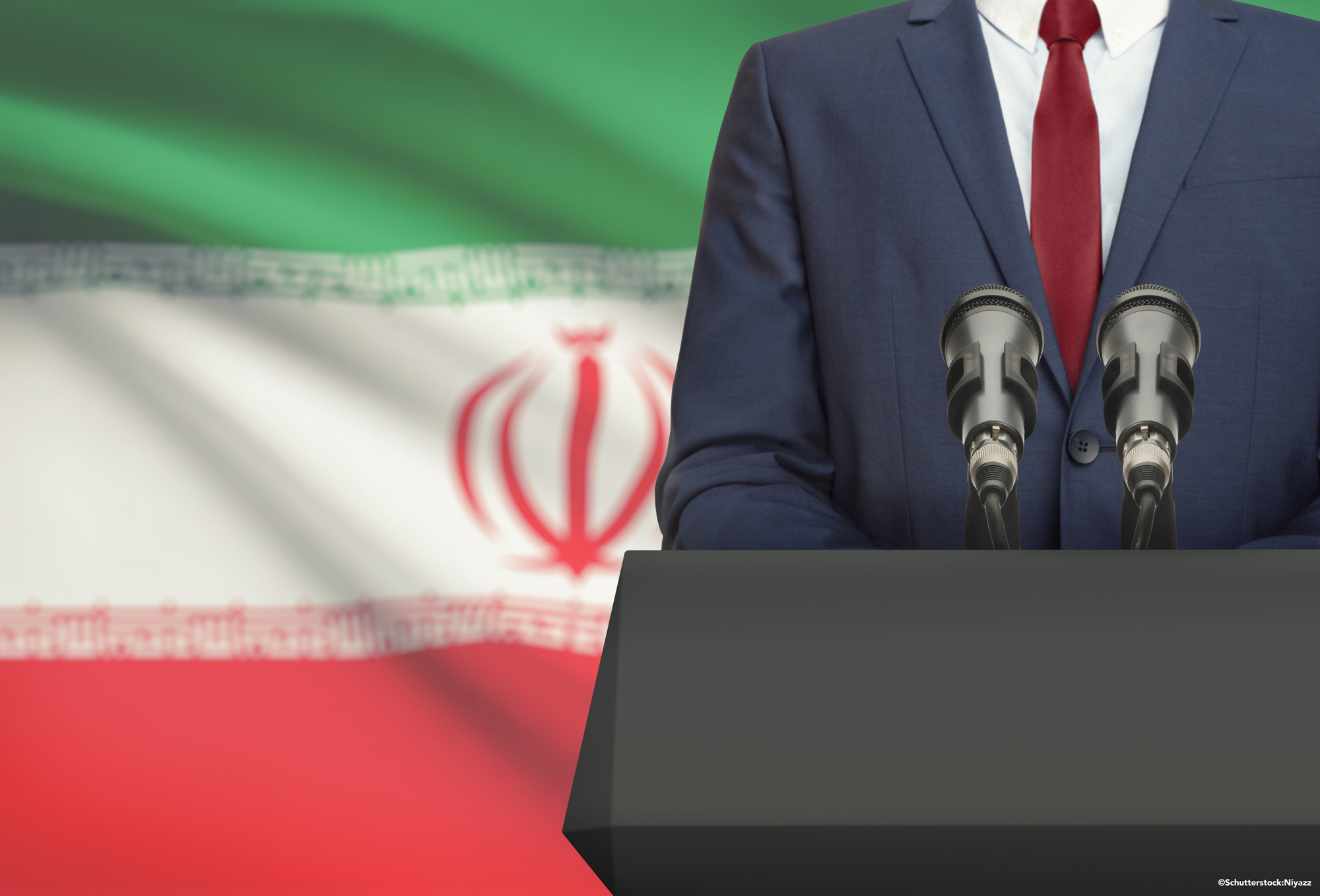
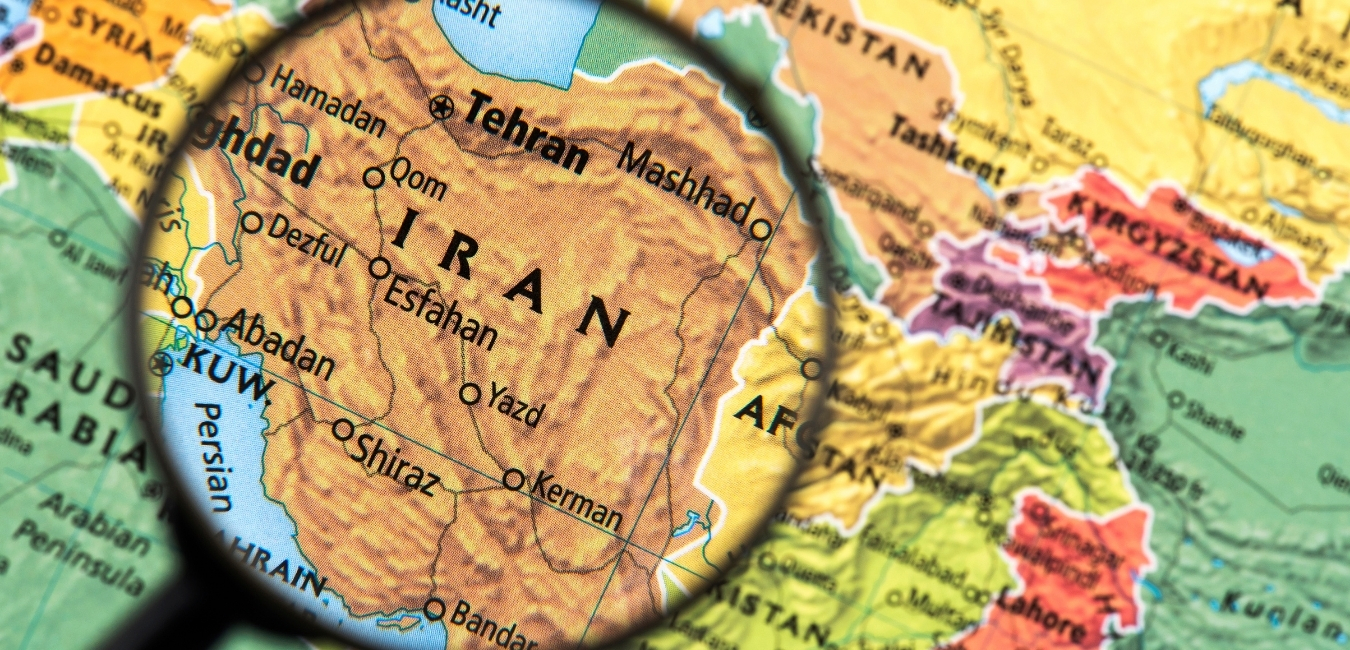
– We should begin by noting that the mass protests that have flared up in Iran have once again made visible one of the most sensitive nerves of regional politics — the “South Azerbaijan” issue. During periods of internal upheaval, Tehran’s reflex is usually the same: to explain events through external factors. In this context, the automatic placement of the Republic of Azerbaijan in the focus of suspicion says less about Baku’s real policies and more about the internal fears of Iran’s own political system.
Source: Reuters
The sharp devaluation of the rial, high inflation, shortages of basic goods, and rising unemployment have created fertile ground for a wave of protests driven purely by internal socio-economic causes. The fact that movements that begin as a spontaneous reaction to the rising cost of living quickly acquire a political character may seem surprising. But in countries where a deep gap has accumulated between society and the authorities, this is almost a textbook scenario.
It is important to emphasize in particular that Azerbaijan is neither the source nor the catalyst of these processes. Baku consistently adheres to the principle of non-interference in the internal affairs of neighboring states and proceeds from a basic postulate of international relations: without mutual respect for sovereignty, there can be no regional stability.
– And why, then, is there a particular sense of anxiety within the Iranian establishment specifically toward Azerbaijan?
– The answer lies not in any concrete steps taken by Baku, but in the internal architecture of Iran’s political discourse.
First, Azerbaijan is a successful nation state with a Turkic identity, a secular model of governance, and functioning institutions. Its existence as a dynamic and sovereign actor, demonstrating an alternative model of development and state-building, is perceived by parts of the Iranian elite as an ideological challenge.
Second, Azerbaijan has built a pragmatic and multi-vector foreign policy. Partnership with Israel, a strategic alliance with Türkiye, and a balanced dialogue with the United States, the European Union, Russia, China, and the countries of the Global South — none of this resembles an anti-Iranian coalition. Rather, it is an example of how a mid-sized state can defend its own interests without becoming an instrument of others.
Source: Caspianpost
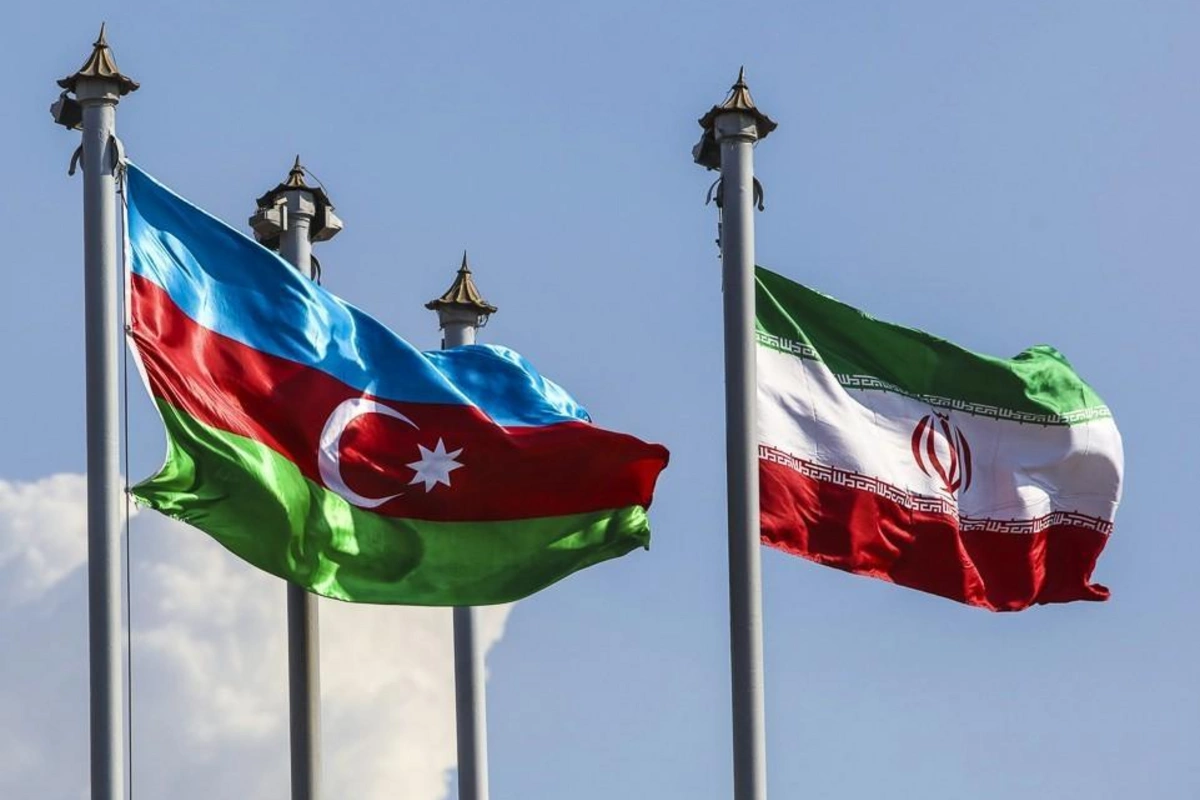
There is a fundamental point here: Azerbaijan has never been part of projects aimed at undermining Iran’s territorial integrity and has never, at the official level, questioned its borders. Attempts to portray Baku as a “platform of pressure” reflect not objective reality, but a state of anxiety within Tehran itself.
After the Second Karabakh War, the South Caucasus entered a new phase. The balance of power changed: Azerbaijan ceased to be an object of regional politics and became its subject. This strengthened Baku’s international position, but did not change its basic line of conduct. Azerbaijan invests in stability, transport connectivity, energy security, and economic cooperation.
The military-technical and technological dimension of Azerbaijani–Israeli relations is a legitimate part of a sovereign defense policy and in no way carries an aggressive character. These ties are not directed against Iran’s security. On the contrary, Baku’s objective interest lies in having a predictable and calm neighbor along its southern borders. Border chaos benefits no responsible state.
– Can it be argued that Azerbaijan’s rational, de-ideologized model of sovereignty — without expansionism or an “external enemy” — has become the main factor behind Iran’s geopolitical discomfort and at the same time, a harbinger of the end of the proxy era in the South Caucasus?
– Baku acts rationally, prudently, and strictly within the framework of international law. It does not export revolutions, does not engage in ideological adventures, and does not interfere in the internal processes of other states. That is precisely why Azerbaijan today is one of the few sources of predictability in a region where emotions too often replace strategy.
The future of the region should be linked to abandoning the search for an “external enemy” and to the courage of states to build an honest dialogue with their own societies. In this sense, the Azerbaijani experience is not a threat, but an opportunity.
In Iran’s strategic perception, autumn 2023 became a turning point. At a time when Russia was deeply immersed in the war in Ukraine, a quiet but tectonic transformation took place in the South Caucasus: Azerbaijan fully restored its sovereignty over the previously occupied territories of Karabakh, illegal structures were dismantled, and the Russian peacekeeping contingent left the region. Thus, the era of the “frozen conflict,” which for decades had served as a lever of influence for external actors, was closed.
Source: peacediplomacy
For Iran, this meant a fundamental change in its geopolitical environment. The previous equations on its northern borders ceased to function. The weakening of Russia’s arbitral monopoly, the strengthening of Türkiye’s role, the more visible presence of the West, and Azerbaijan’s emergence as an independent regional player with its own agenda — all of this shook the familiar order for Tehran. At the same time, Baku acted without hegemonic ambitions, guided by the logic of sovereignty and rational development.
The key point that should be especially emphasized is that Azerbaijan did not adopt an expansionist position. It did not interfere in the internal affairs of its neighbors and did not construct ideological or confessional rhetoric. Within the framework of international law, it focused on its own security, the restoration of liberated territories, and the strengthening of the architecture of regional cooperation. This is precisely where the true reason for anxiety in Tehran lies: the South Caucasus is gradually ceasing to be an arena of proxy games and is becoming a space of sovereign actors.
For many years, Iran relied on Armenia as an element of balance. However, this model has also begun to falter. The leadership in Yerevan is increasingly openly demonstrating a desire to diversify its foreign policy and deepen contacts with the West. The August peace agreements between Baku and Yerevan, reached with the mediation of U.S. President Donald Trump, should be viewed as a natural result of this course.
– Is Tehran’s reaction to the TRIPP project an attempt to prevent a new format of regional connectivity in which Iran ceases to be an indispensable transit actor?
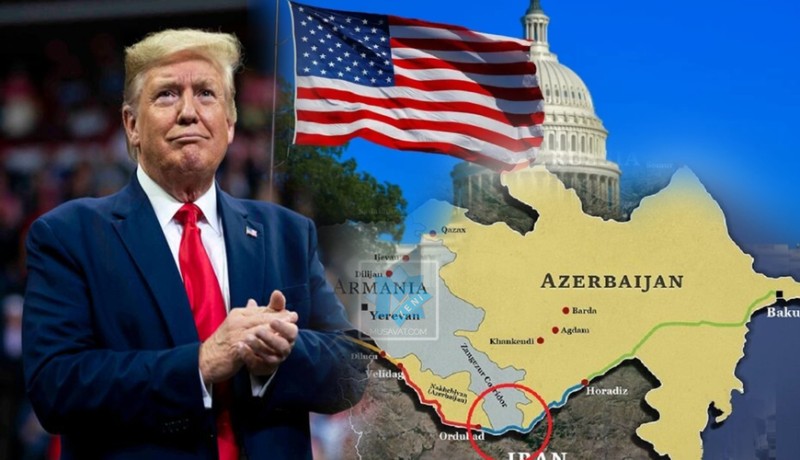
– Yes, one of the most discussed elements of this process has been the 42-kilometer route connecting mainland Azerbaijan with Nakhchivan. From Baku’s perspective, this line is part of transport and logistics infrastructure, economic integration, and post-war recovery. The name given to the project — TRIPP (Trump Route for International Peace and Prosperity) — is symbolic in nature and refers to Washington’s diplomatic contribution, without changing the essence of the project itself. This corridor is not directed against third countries and does not carry any security threats.
Nevertheless, Tehran’s reaction was harsh. In Iranian political discourse, the mentioned route was presented as the advance of the United States and Israel toward Iran’s borders. Such an interpretation reflects the internal anxieties of the Iranian elite rather than Baku’s real intentions. There are no foreign military bases on Azerbaijani territory; the country is not and cannot be part of anti-Iranian alliances and does not conduct covert activities against its neighbors.
Source: APA
Despite this, Iranian media continue to circulate accusations against Baku, claiming that Azerbaijan provides space for Israeli intelligence and that its infrastructure is allegedly used for reconnaissance purposes. None of these claims are supported by concrete evidence. The Azerbaijani leadership consistently and clearly rejects such accusations, emphasizing that military-technical cooperation with all partners, including Israel, is exclusively defensive in nature.
The facts are not hidden: Azerbaijan has diversified its sources of armaments, and Israel occupies an important place in this portfolio. In return, Baku supplies energy resources. This is a transparent, mutually beneficial model of cooperation, entirely normal within the international system. Turning it into an object of conspiratorial narratives is a reflexive and unconvincing position.
Azerbaijani–American relations are developing in the same spirit of openness and pragmatism. During the administration of Donald Trump, these contacts received additional momentum: direct dialogue between leaders and the search for regional stability came to the fore. Positive signals in the public sphere, symbolic gestures, and even discussions about the Nobel Peace Prize became manifestations of Baku’s confident and independent diplomacy.
– Can Azerbaijan’s restrained position on the Iranian crisis be seen as the emergence of a new regional diplomatic model?
– It is telling that Azerbaijan, unlike many regional actors, did not turn the crisis in Iran into either a propaganda tool or a destructive political lever. Even the fact that Donald Trump, openly supporting the protests in Iran, referred to Azerbaijani media is not the result of any state-directed action. The Azerbaijani press operates within its own informational field: it does not speak at the behest of the authorities and does not serve as an instrument of external interference.
In this situation, Tehran is trying to build a diplomatic balance through Moscow and Beijing. Russia and China are principled opponents of external pressure and “color revolution” scenarios, yet both capitals act with extreme caution. Neither Moscow nor Beijing is prepared to turn Iran into a center of direct confrontation with the West. Support is limited to economic and political dimensions and does not evolve into military guarantees.
There is no conspiracy directed against Iran, nor can there be one; only the regional reality is changing. In this new configuration, Azerbaijan stands out as a state model that, after a long conflict, managed to restore territorial integrity, preserve strategic autonomy, and build a balanced foreign policy. Tehran’s main problem lies in the fact that the surrounding world is transforming without its participation.
Source: News.Az
The current Iranian crisis has also revealed differences in the approaches of global actors. The European Union, drawing on the experience of past crises in the Middle East, fears an uncontrolled collapse: new migration waves, disruptions in energy supplies, and growing instability on Europe’s southern borders. The United States, by contrast, views Iran through the prism of strategic weakening of a regime long perceived as a regional threat. This divergence of approaches generates disagreements even within NATO: far from all European allies are ready to follow the hard line of the Trump administration.
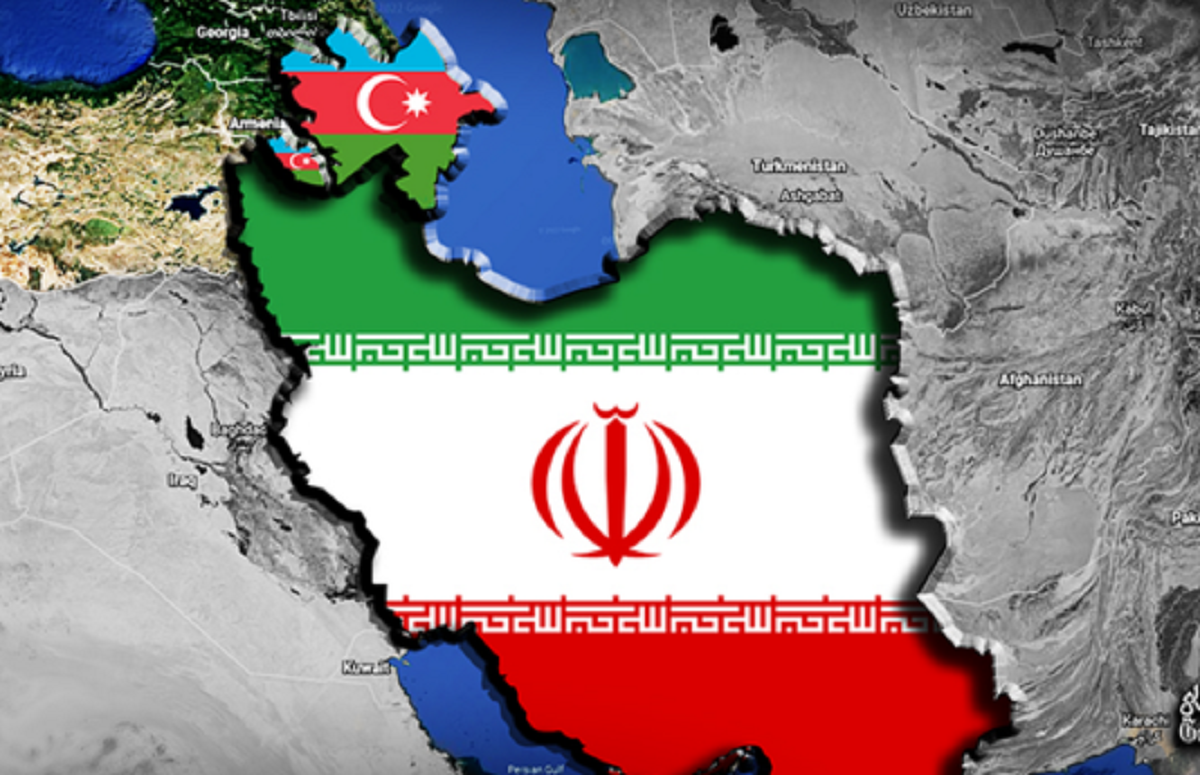
In this complex international picture, the South Caucasus, and especially Azerbaijan, inevitably finds itself at the center of attention. Geography and history have made Baku one of the few actors sharing a common border with Iran, possessing deep cultural and ethnic ties with part of its population, while at the same time, having succeeded in building a secular, sovereign, and pragmatic model of statehood.
Today, Azerbaijan is perceived in the region as a stable, secular, and economically developing state model. This is the source of its real strength. For part of Iranian society, including Azerbaijani Turks, this experience can serve as a natural point of reference. But being an example does not mean exerting pressure.
Azerbaijan does not claim to shape Iran’s future. It has chosen stability, good neighborliness, and respect for sovereignty — as a responsible regional actor. This is precisely what makes Baku valuable today: the ability to be a factor of balance in an era of global turbulence.


Similar news