Bahruz Samadov: Pacifist or traitor?


By Tural Heybatov
Pacifism is a positive movement that our world, riddled with conflicts and wars, desperately needs. But pacifism only makes sense when it’s genuine and not a part of some political agenda against a specific country. Unfortunately, in countries at war, pacifist movements often aim less at ending conflict and more at opposing the current government, sometimes turning into something like terrorist groups. Their leaders frequently end up collaborating with the enemy.Not all wars are the same. For example, when the United States was fighting in Vietnam, many Americans saw it as an unjust and foreign war, which justified a widespread pacifist movement. However, the situation is different in countries that have suffered from occupation. It’s no wonder the so-called No War pacifist movement in Azerbaijan is viewed as a provocation. In the early 1990s, Azerbaijan lost 20% of its territories due to Armenian aggression. During the Second Karabakh War in the fall of 2020, these lands were taken back.
It was around this time that the No War group appeared, advocating against the war with Armenia—essentially supporting continued Armenian control over Azerbaijani territories. Given the circumstances, it’s hard to see this pacifist protest any other way.
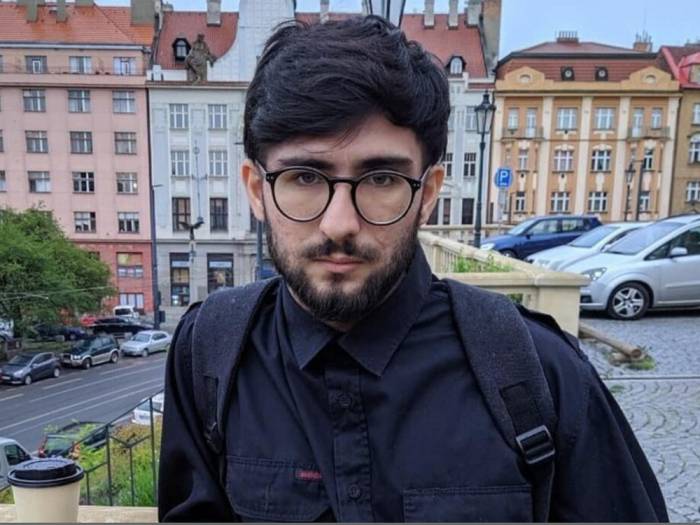
Recently, No War activist Bahruz Samadov was detained in Baku. Samadov, who calls himself a political scientist, lives in Europe and, according to him, came to Azerbaijan to visit his grandmother. However, he was arrested in Baku on charges of treason. Considering his social media posts and interviews with Armenian and Western media, these charges don’t seem unfounded.
Since 2020, during the 44-day Patriotic War, Bahruz established contacts with representatives of Armenian intelligence services and collaborating Armenian citizens. The pacifism of Samadov and other group members showed through their criticism of their own country’s actions and support for Armenian separatists. In his interviews, Samadov argued that the goal of restoring sovereignty over all territories was solely that of the authorities, while the Azerbaijani people were tired of the conflict and wanted peace with the Armenians. Samadov enhanced his pacifist image by claiming that Baku had plans to seize territories within Armenia itself, although such plans were never announced by the official authorities.
Among those Samadov contacted were Armenian citizens Irina Safaryan, Lilit Shakhverdyan, Sossi Tatikyan, and others. A particularly interesting figure is Karabakh native Shakhverdyan, who is rumored to have ties with French intelligence. It’s noteworthy that after getting into the Paris Institute of Political Studies, she was personally congratulated by the French Ambassador to Armenia, Olivier Decottignies.
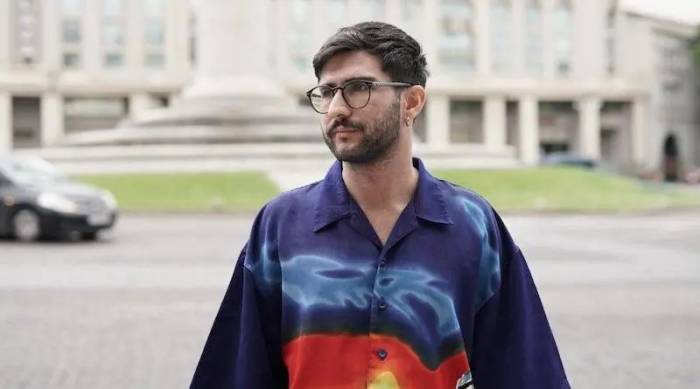
According to available information, under the guidance of these individuals, Bahruz Samadov collected information on activities in regions bordering Armenia and the Karabakh economic region of Azerbaijan. He also posted disinformation and provocative materials on social networks to incite national, ethnic, and religious hatred. There’s plenty of evidence of this online, and there’s no doubt that the posts belong to Samadov.
In WhatsApp messages with Irina Safaryan, who works for Armenian intelligence, Samadov was instructed to gather and send information about the current situation in Karabakh and other regions, the return of the population to the liberated lands, and ongoing reconstruction efforts. There is plenty of information on these topics in Azerbaijani media, but it seems the clients wanted more detailed data.
In addition to widely available information, Samadov also collected data on specific Azerbaijani citizens. For example, he was asked by Lilit Shakhverdyan to gather information about a specific individual whose photo was given to him. It is also known that he provided information about radical religious movements in Azerbaijan. Egia Tashjian, who collaborated with Armenian intelligence services, received information from him about the activities and members of the criminal group “Huseyniyun.”
In Europe, Samadov didn’t hide his disdain for his homeland, supporting Armenian narratives about "ethnic cleansing in Karabakh." In the Telegram group “SAMQ,” of which he is a co-founder, Samadov wrote: “I am ashamed of my national identity and blood, and I apologize to the Armenians for what the Azerbaijanis have done to them. The only positive movement in Azerbaijan should be against the state and the identity called ‘Azerbaijan,’ thus promoting anti-state sentiments.”
Everyone has the right to criticize their country, but Bahruz Samadov's actions go beyond just expressing disappointment or a fight for peace. Even for an impartial observer, they appear to be acts of betrayal and treason. Alongside his contacts with dubious Armenian citizens, he maintained ties and carried out tasks for anti-Azerbaijani groups in Europe.
Looking at the reaction to Samadov's arrest on Azerbaijani social media, it’s clear he doesn’t have much support in society. His attempts to discredit Azerbaijan don’t resonate with the public. The views of Azerbaijanis on the Karabakh issue aren’t just the result of propaganda, as Samadov tries to suggest. Social media is a great way to gauge public sentiment, and it shows that in Azerbaijan, Bahruz Samadov is seen as a provocateur and a traitor, not just by law enforcement agencies.
To note, on August 21, 2024, Bahruz Samadov was detained as a suspect, and on August 23, he was arrested for four months under Article 274 of the Criminal Code of the Republic of Azerbaijan — treason. It was established that on August 23, Samadov tried to avoid arrest by attempting to fly to Prague, but he was unsuccessful.


Similar news