COP30 failed: What went wrong at the climate summit and what happens next


In a world where climate risks have already shifted from distant forecasts to tangible reality — from record-breaking heatwaves to catastrophic floods and wildfires — expectations for COP30 were higher than ever.
The summit in Belém, the first held in the heart of the Amazon, was presented as a historic moment: a meeting designed not only to advance global climate goals but to produce binding commitments from the world’s largest economies. Yet the outcome tells a different story. COP30 did not deliver a breakthrough — instead, it exposed a deep crisis in international climate diplomacy.
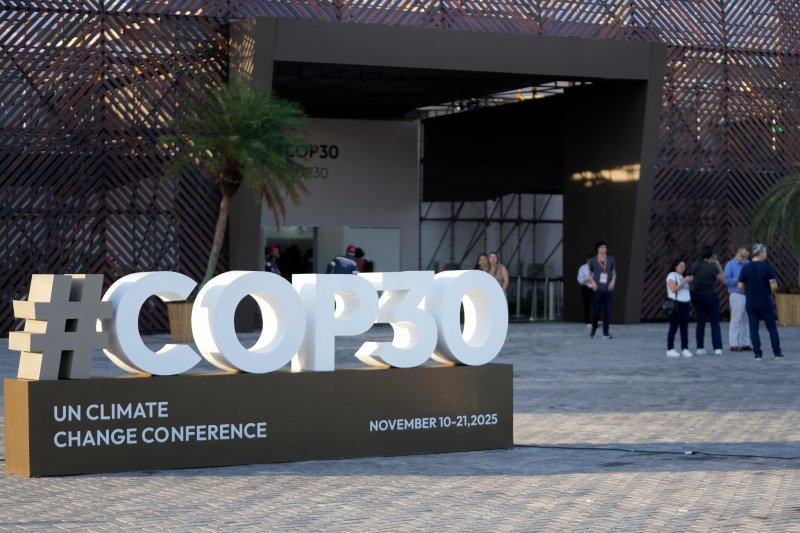
Photo credit: PTI
The primary mission of COP30 — building the post-Paris framework for global climate commitments — essentially failed. None of the major participants presented updated or legally binding emissions reduction plans beyond 2030. The final declaration offers only vague language acknowledging the “need to accelerate efforts,” with no concrete mechanisms, deadlines, or enforcement tools. Another key disappointment was the unresolved debate on phasing out fossil fuels. Tensions between OPEC members, major energy importers, and the EU resulted in another compromise phrase: “phase down” instead of “phase out.” In practice, this wording leaves ample room for continued oil and gas expansion.
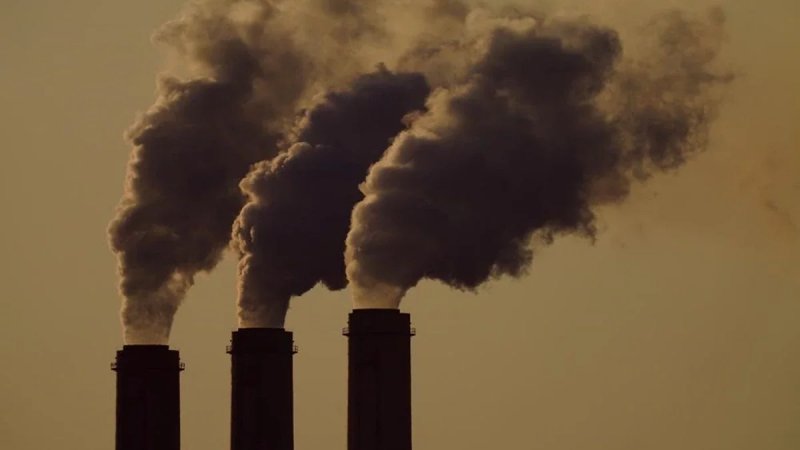
Getty images
Climate finance — once again — became the most contentious point. The world expected COP30 to finalize a new framework for supporting developing nations, set at $200 billion annually starting in 2026. However, the agreement was never signed. Countries of the Global South expressed sharp disappointment, arguing that without real funding, discussions on decarbonization and adaptation become empty rhetoric. The most controversial topic was the Loss and Damage fund — created to compensate vulnerable nations already suffering from catastrophic climate impacts. Negotiators failed to agree on who should pay, how much, and in what structure. As a result, the fund remains a symbolic concept rather than a functioning mechanism.
The geopolitical atmosphere surrounding COP30 revealed a new climate divide. If COP21 in Paris symbolized global unity, COP30 exposed fragmentation. The United States and China are increasingly prioritizing strategic rivalry over climate cooperation. The European Union demands aggressive decarbonization while simultaneously boosting LNG imports. Fossil-fuel-producing states, particularly from OPEC, insist hydrocarbons will remain essential for decades. And the Global South continues pushing back against what it views as an unfair distribution of responsibility and cost. Notably, several countries — including Indonesia and Saudi Arabia — openly stated they would not sign agreements that “threaten national economic security.”

Getty Images
The consequences of COP30’s failure are significant. First, trust in multilateral climate negotiations is eroding. After three decades of climate diplomacy, the inability to secure enforceable targets raises the question of whether the current UN-based model is still viable. Second, time is running out. According to scientific assessments, keeping global warming below 1.5°C requires drastic action within the next five to seven years. Without meaningful global cooperation, the world is moving toward a trajectory of 2.8–3.2°C — a level that may trigger irreversible environmental, humanitarian, and geopolitical consequences.
Uncertainty now affects economic and technological pathways as well. Businesses seeking long-term clarity for investment in decarbonization, renewable energy, and low-carbon innovation received no actionable framework or guarantees from COP30. As a result, the pace of the green transition risks slowing down precisely when acceleration is urgently needed.
Despite the disappointment, COP30 is not the end of global climate efforts — but it marks a turning point. More experts and policymakers argue that the era of consensus-based agreements is ending. Instead, new models are being discussed: coalitions of the willing, regional climate blocs, climate-linked trade regimes, and binding mechanisms such as carbon tariffs or sanctions. The future of climate action may become more fragmented, confrontational, and economically driven — but also potentially more effective.
COP30 will continue to be analyzed, criticized, and referenced for years. Its main lesson is simple: the world can no longer afford climate summits that end with polished statements but no real commitments. The climate crisis demands action — not eventually, but now. And if existing global structures cannot enforce solutions, new ones will emerge — more pragmatic, interest-driven, and willing to impose consequences rather than negotiate endless compromises.
By Asif Aydinly


Similar news