Egypt between Africa and Asia


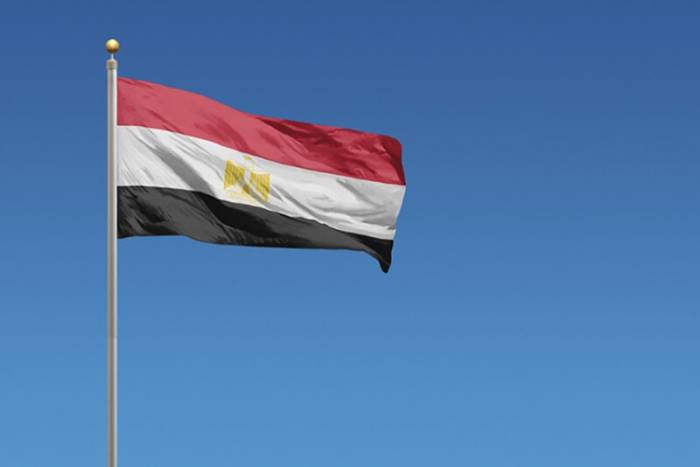
Egypt, one of the cradles of world civilization, boasts a rich history. The country is the largest state in the Arab world and plays a pivotal role in both Africa and the Middle East. Its military, a formidable regional force, has essentially become the backbone of the state since the monarchy's abolition in 1952. Despite its vast territory exceeding one million square kilometers, Egypt struggles to sustain its rapidly growing population. Only 3.6% of its land—comprising the Nile Valley and a narrow strip along the river—is arable, making the country reliant on imported American wheat and weapons. This reliance heavily influences Egypt’s foreign policy, which is shaped by a strict authoritarian governance style.
Marshal Abdel Fattah el-Sisi ascended to power in 2013 following the ousting of the Muslim Brotherhood-led government under President Mohamed Morsi. Democratic norms and Western liberalism hold little sway in Cairo, where protests often turn violent and can lead to coups. The secular military establishment is considered indispensable for Egypt's stability and the region's security. The military has become a political and economic force, intertwined with all facets of Egyptian society. Governments rely on this well-organized structure for survival, offering the military substantial salaries, legal privileges, and entrepreneurial advantages. Military spending accounts for up to a third of the national budget, underscoring its central role in Egypt's governance.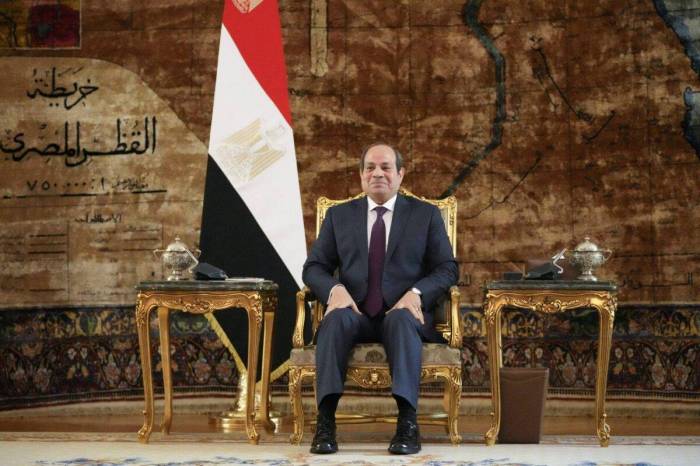
On December 24, 2024, mass protests erupted in Cairo, fueled by dissatisfaction with President el-Sisi's socioeconomic policies and his ambitious plans to build a new administrative capital, Wedian. With a population of approximately 112 million, Egypt’s current capital, Cairo, houses nearly 50 million people, including its suburbs. The city suffers from severe overcrowding and inefficiency. The Wedian project, with an estimated cost of $45 billion, aims to provide a controlled resettlement option.
However, critics argue that resources should instead focus on combating unemployment, corruption, and poverty, which affects 32.5% of the population.
Wedian is envisioned to include a massive park, a new airport, diplomatic quarters, solar farms spanning 90 square kilometers, 25 residential districts, and skyscraper hotels with 40,000 rooms. The city, designed to accommodate 6.5 million people, has already opened major structures such as the Middle East's largest Christian cathedral and a grand mosque. While the protests highlight public frustration, they are unlikely to halt the project, which promises job creation and economic opportunities.
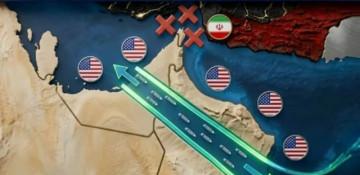
Egypt's foreign policy underscores the importance of peace with Israel, strong ties with the U.S. and EU, and balancing relationships amidst regional rivalries. Challenges include tensions with Iran and competition with Türkiye, particularly in Libya and the Eastern Mediterranean. Iranian proxy activities in Yemen have exacerbated Egypt's economic woes, with attacks by Houthi forces reportedly reducing revenues from the Suez Canal by 60%.
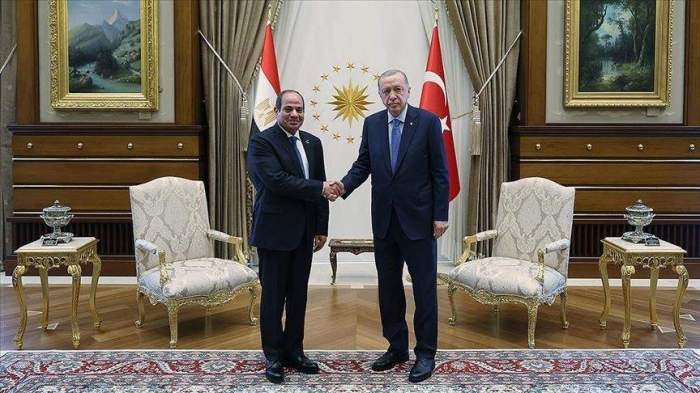
On September 4, 2024, President el-Sisi visited Ankara for discussions with Turkish President Recep Tayyip Erdoğan. The leaders addressed issues such as Gaza and Libya while signing 18 agreements spanning energy, defense, tourism, and more. Both nations aim to increase bilateral trade from $5 billion to $15 billion annually within five years. The rapprochement follows Erdoğan’s February 2024 visit to Cairo, signaling an end to years of strained relations stemming from Morsi’s overthrow in 2013.
Both Türkiye and Egypt face severe economic challenges. Türkiye grapples with inflation, currency devaluation, and rising unemployment, while Egypt is among the IMF’s top debtors. Collaboration in energy, including natural gas trade, could strengthen ties. Türkiye aspires to become a regional energy hub, leveraging imports from Egypt and other suppliers to supply Europe. In February, agreements between Turkish and Egyptian energy companies marked a step toward enhanced cooperation.
The Eastern Mediterranean remains a contentious area, with Türkiye’s conflicts with Greece, Cyprus, and Israel influencing its exclusion from the East Mediterranean Gas Forum. Through Cairo, Ankara seeks to gain influence within this organization.
Egypt’s hurdles extend beyond diplomacy. The country must reform its education system, adopt new technologies, modernize infrastructure, expand desalination plants, enhance irrigation, stabilize population growth, and address numerous other pressing issues. These challenges require sustained focus and strategic planning to secure Egypt’s future as a stable and prosperous nation.
(If you possess specialized knowledge and wish to contribute, please reach out to us at opinions@news.az).


Similar news