Escalation in Kashmir: Could this be the start of another India-Pakistan war?


.png)

The recent exchange of fire between the Indian and Pakistani armies in the Pahalgam area has dramatically increased tensions between the two countries, raising concerns about the potential for full-scale conflict. The exchange, which occurred along the Line of Control (LoC) in the disputed Kashmir region, marks a dangerous escalation in an already volatile situation.
Reports indicate that artillery fire and small-arms exchanges took place, with both sides accusing each other of violating ceasefire agreements. The clash resulted in casualties, though the exact number remains unclear as both sides have yet to provide full details. The situation remains tense, with heavy military deployment on both sides of the LoC, and fears are growing that this could be the precursor to more intense fighting.
Both nations’ military forces remain on high alert, and the prospect of the situation escalating further is real, especially given the presence of nuclear weapons in both countries. Any major conflict between India and Pakistan could have catastrophic consequences, not just for the region but for global security. The threat of nuclear escalation remains a critical factor in any potential military confrontation.
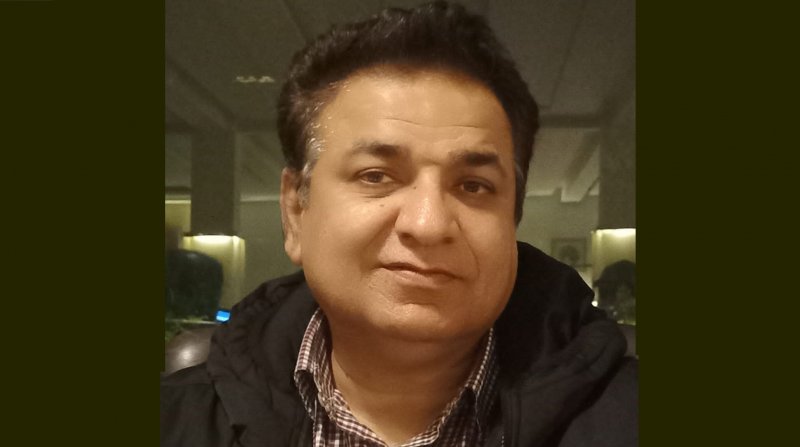
Tarique Siyal, International Affairs Analyst and Ph.D Scholar at American Study Centre, Quaid-i-Azam University Islamabad, in an interview with News.Az said The Pakistani government has rejected India’s accusations regarding the Pahalgam attack and called for a neutral investigation, emphasizing the need for dialogue between the two nuclear-armed neighbors to resolve their long-standing issues and ensure peace in South Asia
“Pakistani government has rejected India’s accusation that Pakistan was responsible for the attack in Pahalgam, Indian-controlled Kashmir. Pakistan also expressed its readiness for a neutral, transparent, and credible investigation into the attack. Pakistan and India share a long history of hostility, having fought at least three full-scale wars. The escalation of tensions between these two neighboring nuclear states would be detrimental to both countries. However, especially since the Bharatiya Janata Party (BJP) has ruled India, the situation has worsened with India revoking the special status of Kashmir and simultaneously avoiding talks with Pakistan. It is in the best interest of both states to initiate dialogue and resolve all outstanding issues through peaceful negotiations, as this is the only way to ensure a prosperous and peaceful South Asia,” Mr Siyal noted.

Source: ibnkhabar
The Stockholm International Peace Research Institute (SIPRI) Yearbook 2024 reads that India was the largest importer of major arms, accounting for 9.6% of global arms imports, while Pakistan ranked fifth with 4.3%.
According to Pakistani Foreign Affairs Anylyst both countries maintain nuclear stockpiles, with India possessing 172 warheads and Pakistan having 170: “In the 2023-24 Budget, India allocated 13% of its budget to defense, amounting to 5.94 trillion rupees ($73.8 billion), while Pakistan’s defense budget stood at $6.34 billion. "India’s military comprises approximately 5 million personnel, including active military, reserves, and paramilitary forces, compared to Pakistan’s 1.4 million. India has 4,614 tanks, while Pakistan has 3,742. India’s fleet of 151,248 armored vehicles is more than three times the size of Pakistan’s. The Indian Air Force operates 2,296 aircraft, while the Pakistan Air Force has 1,434 aircraft. India has 606 fighter jets in 31 squadrons, although some of its jets, such as the MiG-21 Bison and MiG-29, are aging. Pakistan, on the other hand, has 387 fighter jets, including American, French, and Chinese aircraft in its fleet. While Pakistan has more attack helicopters, India has a significant number of special mission aircraft, aerial tankers, and transport aircraft. India also boasts a larger navy, with a fleet strength of 294 ships compared to Pakistan’s 114. India operates two aircraft carriers, while Pakistan has none”.
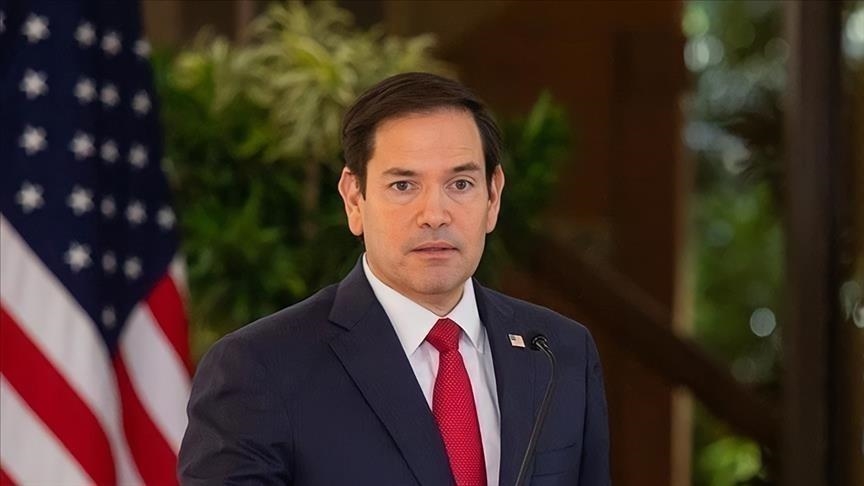
The international community, including the United Nations and key global powers, has called for immediate de-escalation and dialogue. U.S. Secretary of State Marco Rubio said on Tuesday that he will speak soon with his counterparts in India and Pakistan and urge them not to escalate tensions.
Washington said on Sunday it was in touch with the nuclear-armed Asian neighbors at multiple levels while urging them to work towards what it called a "responsible solution."
"We are reaching out to both parties, and telling, of course, them to not escalate the situation," a State Department spokesperson told reporters, quoting a statement by Rubio.

American political commentator and research scholar of International Affairs, Peter Tase, in an interview with News.Az said Secretary of State Marco Rubio is taking an active role in defusing the brewing armed conflict between India and Pakistan.
“It is well-known that India has encouraged Armenia to resort to armed provocations against Azerbaijan after the Second Karabakh War (September-November 2020). It seems likely that the U.S. Department of State will initiate another wave of sanctions against corrupt Indian politicians and business leaders who are fueling tensions and provoking a senseless full-scale war with Pakistan. The April 22 attack on tourists, resulting in 22 people feared dead, is the worst attack in Kashmir since 2016. The armed assault in Pahalgam could have been avoided, but the Indian government hesitates to pursue diplomatic discussions with the Pakistani government.”
American political scientist also touched upon India’s arming of Armenia: “At the same time, India continues to supply Armenia with missiles, advanced military technology, and drones capable of delivering bombs, including chemical weapons, in the event of further confrontations with Azerbaijan. India also continues to encourage serious armed provocations in the disputed territories with Pakistan. Meanwhile, the current Pakistani authorities have pursued a high-level foreign policy and shown remarkable maturity in preserving international security in the South Asian region. Pakistan has repeatedly condemned the corruption and warmongering tactics emanating from local political leaders.”


Similar news