Europe’s military buildup: The beginning of a new confrontation with Russia?


.png)

European leaders have agreed to significantly boost defense spending in response to growing geopolitical threats and shifting global alliances.
This consensus was reached during an emergency summit held in Brussels on March 6, 2025. At the heart of this initiative is the "ReArm Europe" plan, proposed by European Commission President Ursula von der Leyen. The plan aims to mobilize up to €800 billion to enhance Europe's defense capabilities.
This decision represents a major turning point in Europe's security strategy, reflecting concerns over Russian aggression, NATO’s future, and the need for military self-sufficiency. The move is expected to reshape defense policies, industrial capabilities, and strategic alliances across the continent.
Kremlin spokesman Dmitry Peskov criticized the European Union's plans, stating that the EU is "actively discussing the militarization" of the bloc and "positioning Russia as the main enemy." He warned that such actions could become a "topic of deep concern" for Russia and might necessitate "appropriate retaliatory measures" to ensure its own security.

News.Az discussed Russia’s expected response to the EU leaders’ decision to boost defense spending with Igor Korotchenko, a Russian military expert and Director General of the Caspian Institute for Strategic Studies.
Mr. Korotchenko noted that, at present, Russia and the European Union are in antagonistic relations:
They view Russia as an adversary and an enemy, and the Russian Federation has exactly the same attitude towards the European Union as a structure, as well as its member states, with the exception of Hungary and Slovakia. The fact that they are going to rearm was clear, as this has been happening over the past few years. The military potential of the European Union and the European part of NATO is constantly growing. Various types of military exercises with clearly hostile goals for Russia are regularly held along its borders."
He added:
"The announcement that the European Union is planning a transition to large-scale rearmament, shifting the military industry towards preparation for a future war, comes as no surprise in Moscow. Ursula von der Leyen is an enemy of Russia. The European Union, in its current form, is an enemy of Russia. Therefore, we view it as an adversary that is strengthening its military capabilities. Accordingly, the Russian Federation will review its military plans and the deployment of certain types of weapons, considering that Europe today poses a threat to Russia’s security."
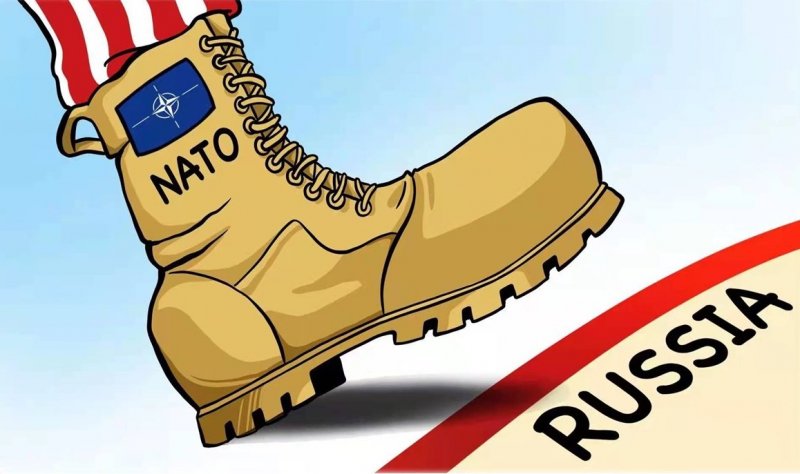
Source: New Eastern Outlook
When asked about potential countermeasures, Korotchenko emphasized that the arms race is already underway:
"Russia has the necessary potential to counter threats. We have reestablished the Leningrad and Moscow military districts. Additionally, the forces of the Baltic Fleet are being strengthened. In the northwestern direction, we have deployed a missile brigade equipped with the Iskander-M operational-tactical missile system, which, if necessary, can also serve as a carrier for tactical nuclear weapons."
He explained that the arms race did not begin "yesterday or today, but 3-4 years ago," and the new EU plans do not introduce anything fundamentally new:
"Russia will not take any additional countermeasures because they have already been implemented as of March 2025. Of course, the European NATO countries outnumber the Russian Federation in terms of armed forces, weapons, and military equipment."
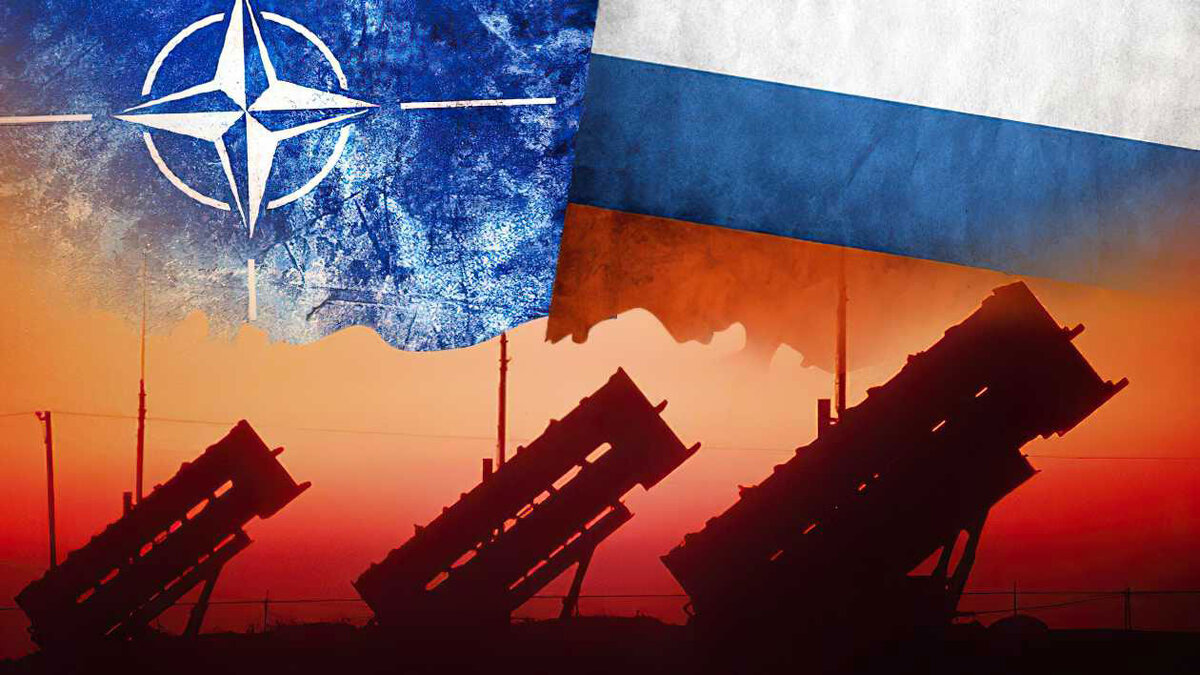
Source: Journalneo
Addressing the potential scenario of a NATO-initiated conflict, Korotchenko asserted:
"If NATO launches a military conflict against Russia, Moscow will respond, including the use of tactical nuclear weapons. In case of aggression, we reserve the right to carry out tactical nuclear strikes against enemy groups and military facilities on their territory."
He highlighted the capabilities of Russia's new medium-range missile system, "Oreshnik":
"Recent combat tests of the 'Oreshnik' missile system have demonstrated the ability to strike targets at a distance of 5,500 kilometers from the launch point. This means that Russia can destroy any military facility or target on the European continent. We have no doubts about

Source: Euractiv
Korotchenko stressed that Russia has no aggressive intentions towards European countries but would respond decisively to any hostile actions:
"Firstly, we are defending our territory from security threats. Most importantly, the European Union's attempts to turn Ukraine into a spear aimed at the heart of Russia will be countered by all available means in the arsenal of the Russian Army, including tactical and strategic nuclear weapons."
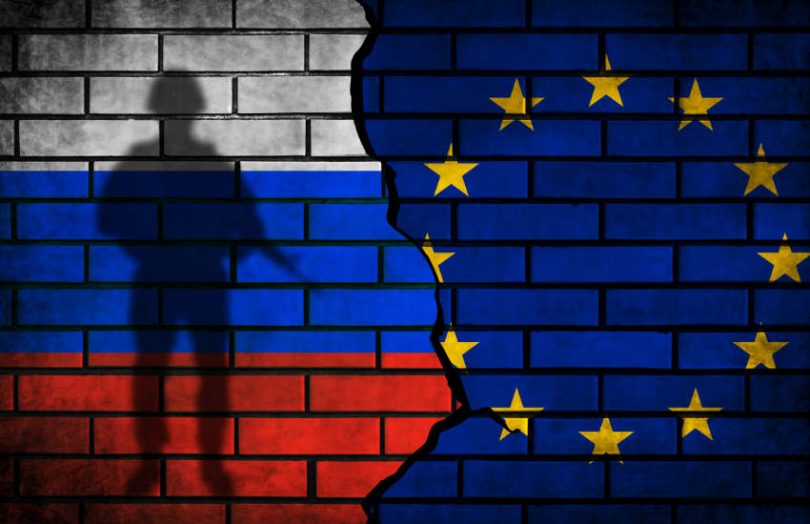
Source: RBC
He reiterated that the objectives set by President Putin regarding the demilitarization of Ukraine would be achieved either militarily or through negotiations:
"Russia is ready for a full-fledged peace agreement, but it must include provisions that completely address Moscow's concerns about the future military-political situation in Europe. Moscow will never allow a repeat of June 22, 1941, in the 21st century. Any aggressive plans, intentions, or direct military aggression against the Russian Federation from the European Union or NATO will be stopped by all available means in the arsenal of the Russian Army."


Similar news