Azerbaijan emerges as global blueprint for religious tolerance


Editor's note: Aysel Mammadzada is an Azerbaijan-based journalist. The views expressed in this article are the author’s own and do not necessarily reflect those of News.Az.
Since gaining independence, Azerbaijan has placed the protection of ethnic and religious diversity at the core of its state policy. The country has consistently pursued a development model that ensures the preservation of cultural plurality, the protection of the rights of all ethnic groups and religious communities, and the strengthening of social cohesion.
In this context, multiculturalism and tolerance are not only social values but also strategic priorities of national development. As a result, Azerbaijan has increasingly been recognised internationally as a stable example of peaceful coexistence in a diverse society.
Azerbaijan’s approach is grounded in the principle that diversity is a source of strength rather than division. This understanding has shaped legislation, public institutions, educational programmes, and international initiatives aimed at promoting mutual respect and dialogue among the different communities living in the country.
RECOMMENDED STORIES
One of the most significant institutional steps in this direction was the establishment of the Baku International Multiculturalism Centre in 2014 under the auspices of the President of the Republic of Azerbaijan. The Centre plays a key role in studying, promoting, and projecting the Azerbaijani model of multiculturalism. Its main objectives include supporting scientific research on multiculturalism, encouraging intercultural dialogue, and presenting Azerbaijan’s experience on international platforms as a successful case of diversity management.
In order to share its experience globally, Azerbaijan has expanded academic cooperation through the introduction of the course “Azerbaijani Multiculturalism” in several international universities. This educational initiative enables students from different cultural backgrounds to study how Azerbaijan manages ethnic, linguistic, and religious diversity within a unified social framework.
Through these programmes, students examine real-life examples of coexistence, historical developments, and policy frameworks that have contributed to stability in a multi-ethnic environment. The course also encourages comparative analysis with other multicultural models around the world, making Azerbaijan’s experience a subject of academic interest in sociology, political science, and international relations.
This initiative has helped position Azerbaijan not only as a country with a tradition of tolerance but also as a contributor to global academic discourse on multicultural governance and intercultural understanding.
One of Azerbaijan’s most important contributions to global intercultural dialogue is the Baku Process, launched in 2008. This initiative was designed to strengthen cooperation between the Islamic world and Europe through dialogue, mutual understanding, and cultural exchange.
Over the years, the Baku Process has evolved into a recognised international platform that brings together governments, international organisations, and civil society institutions. It has played a key role in promoting dialogue-based approaches to global challenges such as cultural misunderstanding, extremism, and social polarisation.
By hosting regular meetings, high-level forums, and thematic conferences, Azerbaijan has positioned itself as an active facilitator of global dialogue. The initiative reflects the country’s broader foreign policy vision of promoting peace, cooperation, and cultural connectivity between civilisations.
Since 2011, Baku has hosted the World Forum on Intercultural Dialogue, which has become one of the most influential international platforms dedicated to intercultural cooperation.
The Forum is organised in partnership with major international organisations such as UNESCO, the United Nations Alliance of Civilisations, ICESCO, and other global institutions. It brings together participants from more than 100 countries, including government officials, academics, religious leaders, and representatives of civil society.
Over time, the Forum has expanded in scope, addressing global issues such as cultural heritage preservation, migration and integration, youth engagement, digital culture, and global security challenges. The discussions emphasise the importance of dialogue as a tool for peacebuilding in an increasingly interconnected world.
The Sixth Forum, held in 2024, focused on interfaith dialogue, youth participation in promoting tolerance, combating xenophobia, safeguarding cultural heritage, and strengthening international security cooperation. A special interreligious dialogue session brought together more than 100 religious leaders, highlighting Azerbaijan’s commitment to fostering respect among different faiths and belief systems.
Azerbaijan has also strengthened its multicultural policy through state-declared thematic years. In 2016, the country marked the “Year of Multiculturalism”, followed by 2017 as the “Year of Islamic Solidarity”.
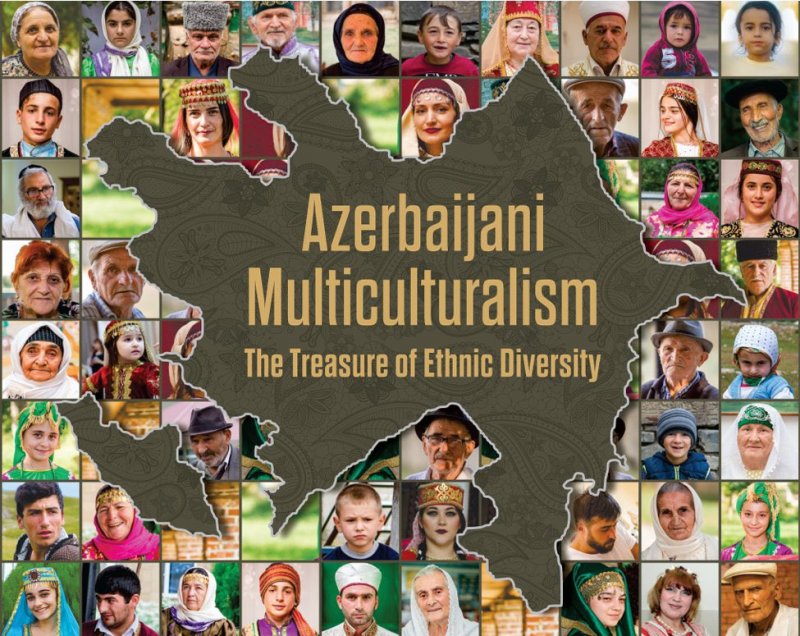
These initiatives were not merely symbolic; they were supported by extensive practical activities across the country. Hundreds of conferences, academic seminars, cultural exhibitions, youth forums, and international events were organised during these years.
The aim of these initiatives was to deepen mutual understanding among ethnic and religious communities, promote a shared civic identity, and strengthen solidarity at both national and international levels. They also contributed to enhancing Azerbaijan’s global image as a country committed to dialogue and inclusiveness.
The preservation of religious and cultural heritage is another important pillar of Azerbaijan’s tolerance policy. The state has consistently supported the restoration and maintenance of religious monuments belonging to different faith traditions.
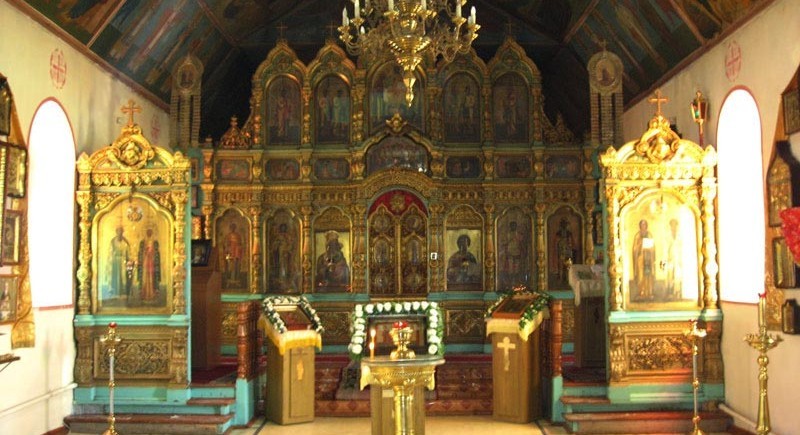
In recent years, several mosques, Orthodox and Catholic churches, and synagogues have been restored or rebuilt. These efforts demonstrate a balanced approach to heritage preservation that respects all religious communities equally.
Notable examples include the restoration of Orthodox churches and the Catholic church in Baku, support provided to the Jewish community in Guba, and the protection of Albanian-Udi Christian heritage sites. These projects reflect the state’s commitment to ensuring that cultural and religious diversity is preserved for future generations.
Importantly, state support is not limited to one religious group but is extended to all recognised communities, reinforcing equality and mutual respect.
Azerbaijan is home to a wide range of ethnic groups, including Lezgins, Talysh, Avars, Tsakhurs, Udis, Russians, and others. The protection of their cultural and linguistic rights is considered an essential part of national policy.
In regions where these communities live, education in native languages is supported, cultural centres are active, and regular festivals and cultural events are organised. These initiatives help preserve linguistic diversity and traditional heritage while strengthening integration into broader Azerbaijani society.
Media outlets, including television and radio, also contribute by broadcasting programmes that highlight the traditions, history, and cultural contributions of different ethnic groups. This inclusive approach strengthens civic unity and fosters mutual understanding among citizens.
In recent years, Azerbaijan has been increasingly recognised by international organisations as a reliable partner in promoting intercultural and interfaith dialogue. Platforms hosted in Baku are widely regarded as effective spaces for cooperation, dialogue, and exchange between different civilisations.
The Azerbaijani model demonstrates that diversity can be managed successfully through inclusive policies, strong institutions, and sustained dialogue. Rather than being a source of division, cultural and religious diversity in Azerbaijan functions as a foundation for national unity and social stability.
Overall, religious and ethnic tolerance in Azerbaijan is not simply a historical tradition but a dynamic and evolving state policy supported by legal frameworks, educational initiatives, cultural programmes, and international engagement. These combined efforts have created an environment where different communities live together in peace, mutual respect, and cooperation.
In an era marked by global challenges such as intolerance, polarisation, and cultural misunderstandings, Azerbaijan’s experience offers a relevant example of how inclusive governance and intercultural dialogue can contribute to long-term stability and sustainable development.
(If you possess specialized knowledge and wish to contribute, please reach out to us at opinions@news.az).


Similar news