French parliament divided: Macron’s future in question


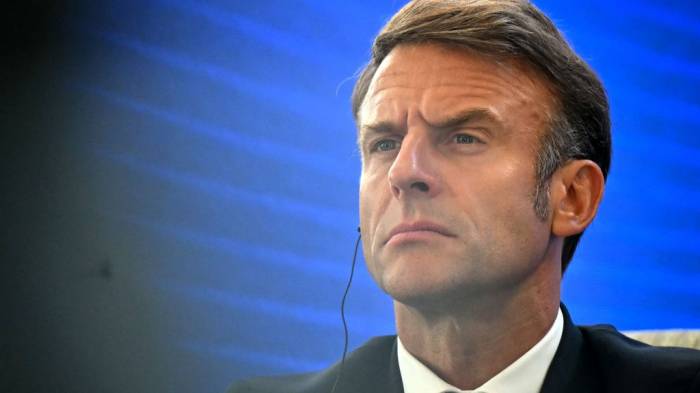
Since early September 2024, French President Emmanuel Macron has been under increasing criticism for the prolonged process of selecting a new prime minister. Almost two months have passed since the inconclusive parliamentary elections on July 7, and the country remains without a permanent government. The interim administration has struggled to manage effectively, and more and more French citizens are expressing frustration with the government's inefficiency and Macron's lack of action.
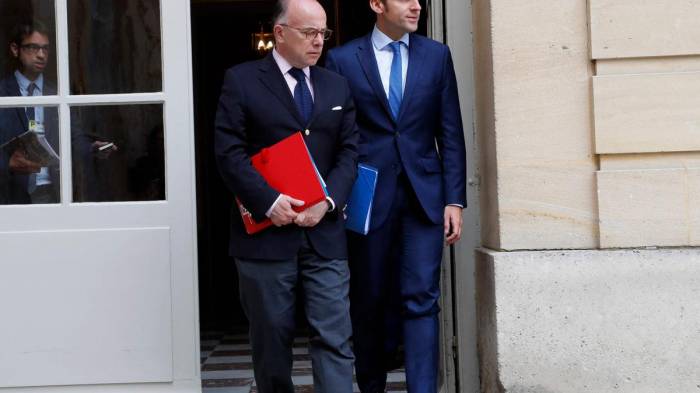
Despite promises of a swift resolution, Macron has yet to appoint a prime minister, which many see as a sign of his inability to handle the current political crisis. The recent round of meetings and consultations with key political figures on September 2 has only underscored the president's indecision. Meetings with Bernard Cazeneuve , a former member of the Socialist Party and ex-prime minister, Xavier Bertrand, a right-wing politician and head of the Hauts-de-France region, and Thierry Beaudet, head of the Economic, Social, and Environmental Council (CESE), seem like efforts to find a compromise in a political deadlock. However, many critics view this as a sign of weakness rather than strategic leadership.
The paralysis of power is worsening amid a hung parliament, where Macron’s centrist coalition failed to secure an absolute majority. Macron has ruled out forming a government with the left-wing New Popular Front alliance, even though they won the most seats in parliament. This decision is perceived as stubbornness and an unwillingness to compromise, further deepening the political crisis. With a divided parliament, Macron faces the challenge of pushing through key reforms and approving the 2025 budget, but his inability to negotiate with the opposition threatens the country's stability.
As the October 1 deadline for submitting the 2025 budget draft approaches, the ongoing uncertainty over the appointment of a prime minister is adding to the tense political climate. Economists warn that delays in appointing a government head could lead to financial instability and erode trust in French institutions.
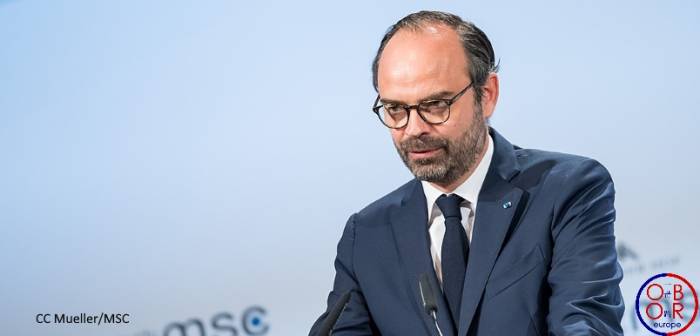
Additional pressure comes from the September 4 announcement by former who declared his intention to run for president in 2027. Philippe, known for his criticism of Macron, has already gained support from voters disillusioned with the current administration. His announcement not only complicates Macron’s political strategy but also raises questions about the president's future in politics, given his continued inability to effectively govern the country in times of crisis.
Macron now faces a crucial decision that will significantly impact the future of French politics. However, his delay in appointing a new prime minister and his failure to engage with the opposition cast doubt on his leadership abilities and capacity to govern effectively during a crisis. France stands on the cusp of potential change, but whether Macron can drive that change or will remain a symbol of political instability and division remains an open question.
(If you possess specialized knowledge and wish to contribute, please reach out to us at opinions@news.az).


Similar news