Russia scales back Victory Day celebrations amid security concerns and drone threats


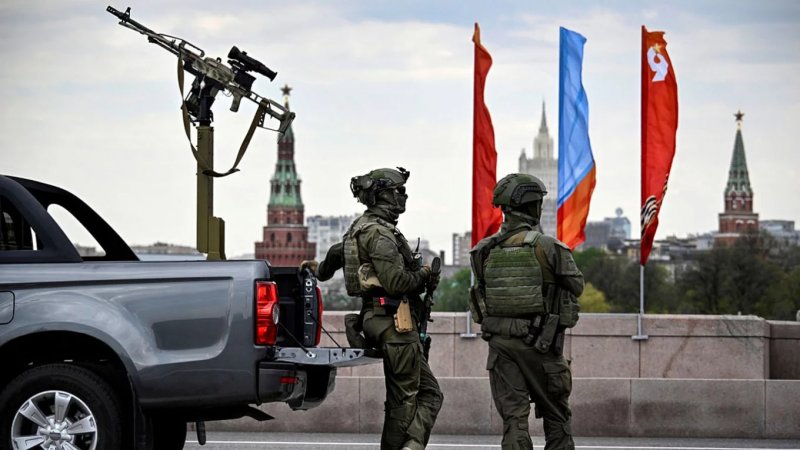
Russia is set to hold significantly scaled-back Victory Day celebrations this year, as ongoing Ukrainian drone attacks and tightened security measures reshape one of the country’s most important national holidays.
Victory Day, which marks the Soviet Union’s defeat of Nazi Germany in World War II, has long been a central event under President Vladimir Putin, traditionally featuring large military parades through Moscow’s Red Square with thousands of troops and heavy military equipment, News.Az reports, citing The Moscow Times.
However, this year’s parade is expected to proceed without military vehicles for the first time in nearly two decades, marking a major departure from established tradition. The Defence Ministry said the decision was made due to the current operational situation, while students from elite military schools and cadet corps will also not participate in the march.
RECOMMENDED STORIES
Officials have not disclosed the full scale of troop participation, but the Kremlin confirmed a reduced list of foreign attendees compared to previous years. Only a small number of international leaders are expected to join Putin in Moscow, including representatives from Belarus, Laos, and Malaysia, alongside leaders from several Moscow-backed regions.
Last year’s event featured around 11,000 servicemen and nearly 200 military vehicles, with attendance from multiple global leaders, highlighting the contrast with this year’s more limited ceremony.
Security concerns have increased following repeated Ukrainian drone strikes across Russian territory, with officials citing risks to major public gatherings. Several regions have also scaled back or cancelled local Victory Day events, with some citing direct security threats.
In addition, authorities have suspended or replaced traditional public elements of the holiday, including the Immortal Regiment marches, which historically allowed citizens to honour relatives who fought in World War II. These commemorations are now expected to move largely online, though widespread internet disruptions have already been reported in multiple regions.
Mobile internet restrictions are expected to continue through the holiday period, affecting access to digital services across dozens of regions. Authorities say the measures are necessary to maintain security during the celebrations.
In some regions where parades are still taking place, organisers have opted to use older Soviet-era military equipment instead of modern systems, reflecting both security concerns and logistical limitations.
Analysts say the reduced scale of this year’s Victory Day reflects both the impact of the ongoing conflict and increased vulnerability to drone attacks, marking one of the most subdued commemorations in recent years.
By Leyla Şirinova


Similar news