Global climate change: Impact on island nations


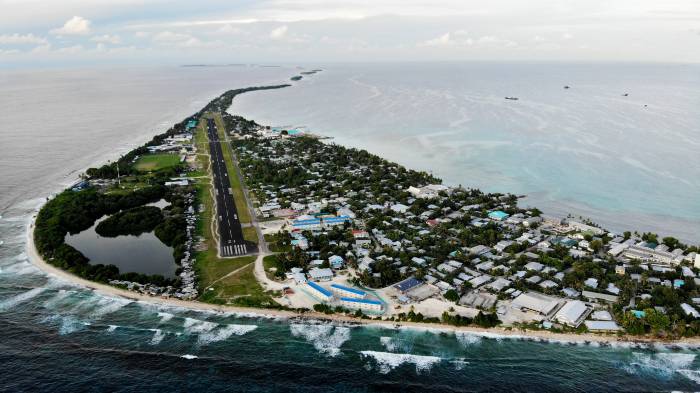
Global climate change poses a serious threat to many island nations situated in oceans and seas. Some of the most vulnerable islands are already experiencing devastating consequences, which scientists predict will only worsen in the coming decades. Islands with limited natural resources and infrastructure are suffering from a range of climate-related phenomena, including rising sea levels, stronger storms, and coastal erosion. Let’s take a closer look at the major threats affecting these islands and examine examples of territories that have already been impacted.
Rising sea levels: Is submersion inevitable?
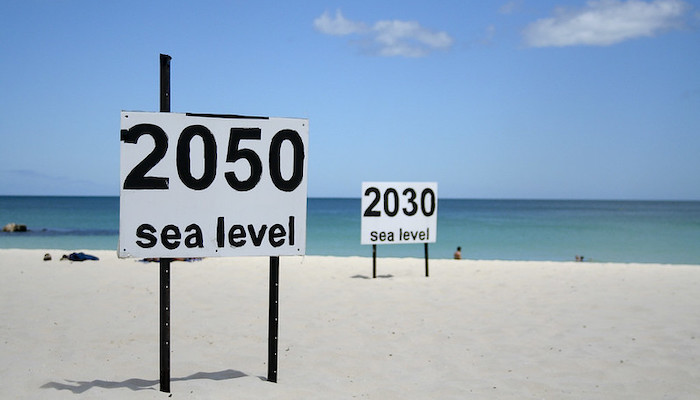
One of the most noticeable effects of global warming is the rise in sea levels. This is happening due to melting polar ice and the thermal expansion of ocean waters. Small island nations and territories are among the most vulnerable to this threat. For example, the Pacific island nation of Tuvalu is already at risk of being completely submerged. With a maximum elevation of just 4.5 meters above sea level, Tuvalu is gradually losing land to the encroaching ocean. The government is even considering relocating its population to countries like Australia and New Zealand. A similar situation is unfolding in the Maldives, where several atolls face the threat of submersion, forcing authorities to spend millions of dollars on protecting shorelines and reinforcing infrastructure.
Coastal erosion: Disappearing shores
Climate change is also accelerating coastal erosion. Rising sea levels and increasingly frequent storms are washing away sandy beaches and eroding coastal areas. In the Pacific, Kiribati is losing a significant part of its shoreline. Islands like Abemama and Tarawa are already grappling with the destructive effects of erosion, which threatens local infrastructure and communities. The loss of coastlines reduces the islands' ability to defend against natural disasters, making them even more vulnerable.
Intensifying storms: Devastating natural disasters
Climate change has led to stronger tropical cyclones and hurricanes, which are becoming more destructive. For instance, island nations in the Caribbean are hit by increasingly powerful hurricanes every year. In 2017, Hurricane Irma devastated Barbuda, destroying most of the island’s infrastructure and forcing the entire population to evacuate. Similarly, the Bahamas were ravaged by Hurricane Dorian in 2019, which severely damaged the islands of Abaco and Grand Bahama. These natural disasters not only destroy homes and infrastructure but also cause significant economic losses, which are especially tough for small nations with limited resources for recovery.
Freshwater scarcity: Salinization of aquifers
Shallow islands such as the Maldives, Kiribati, and the Marshall Islands are already facing the problem of saltwater intrusion into their freshwater aquifers, leading to a scarcity of drinking water. Rising sea levels and frequent storms allow saltwater to seep into underground water sources, making access to fresh water increasingly difficult. For these islands, freshwater scarcity has become a critical issue, forcing governments to invest in desalination plants and other water security measures, which come at a high cost.
Biodiversity under threat: Coral reef destruction
Rising ocean temperatures are directly impacting coral reefs—ecosystems that play a key role in protecting islands from waves and providing habitats for countless marine species. For example, Australia’s Great Barrier Reef is already suffering from mass coral bleaching caused by warmer waters. This has a detrimental effect on the region’s biodiversity and strikes a blow to the tourism industry, which is a major source of income for many island nations. Similar processes are occurring around the Seychelles, where the loss of coral reefs is threatening the local economy and ecosystems.
Climate change is already having a severe impact on island nations, and the situation is likely to worsen in the future. Countries like Tuvalu, Kiribati, and the Maldives are on the front lines of the global climate battle. For them, rising sea levels, coastal erosion, destructive storms, and freshwater shortages have become a harsh reality. The international community must step up efforts to prevent further climate change and provide support to island nations in their fight to preserve their land and livelihoods.


Similar news