Greece, Romania, and Bulgaria unite to lower energy prices


By Asif Aydinli
Greece, Romania, and Bulgaria have joined forces to address soaring electricity prices in Southeast Europe, according to Greece’s Energy Minister, Theodoros Skylakakis. The initiative aims to create a long-term solution to the region's energy crisis, which has been exacerbated by limited access to the broader European energy market.https://businessfocus.org.uk/wp-content/uploads/2024/04/img-881662.jpg
The joint initiative focuses on creating an intervention mechanism that will be activated whenever extreme electricity prices arise, due to the limited access of the region to the rest of the European energy market. According to Skylakakis, these high prices result from the lack of sufficient energy interconnections between Central and Southeast Europe, effectively creating an energy "island" in the region.
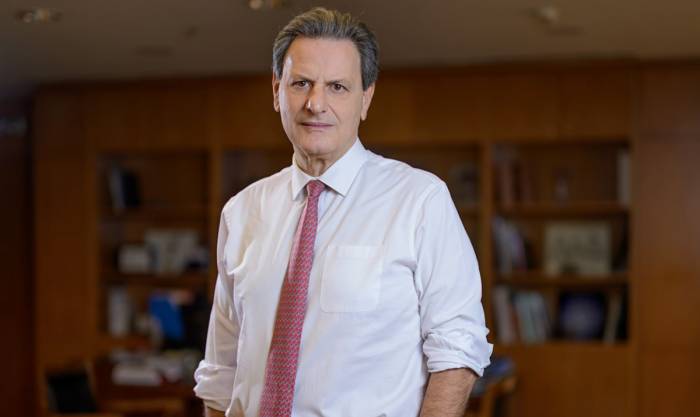
The minister highlighted that in recent months, despite Greece's significant capacity for solar and wind energy production, the country has experienced sharp price increases due to peak summer demand and insufficient electricity supplies from neighboring countries. "This paradoxical situation cannot be ignored. We cannot allow such market distortions to persist, especially when prices become unacceptable for our citizens and businesses," Skylakakis emphasized.
He also criticized the current system of energy network management, noting that network operators, instead of investing in new interconnections and improving infrastructure, are benefiting financially from existing market imbalances.
In response, the Greek government plans to raise the issue of European energy market reforms in discussions with the European Commission. The focus will be on creating a stable and affordable energy supply system for Southeast European countries, which are most affected by the lack of interregional energy links.
This issue has already been discussed on the international stage. At the 88th Thessaloniki International Fair, Minister Skylakakis held talks with Germany's Minister of Economic Affairs and Climate Action, Robert Habeck. The main topic of their discussions was increasing investments in energy infrastructure and removing barriers to the proper functioning of the region's energy market.
The efforts of Greece, Bulgaria, and Romania may mark the first step toward establishing a more resilient and integrated energy system in Southeast Europe. This would help stabilize electricity prices and ensure a more affordable energy supply for consumers in the region.


Similar news