EasyJet bookings lag as Middle East tensions hit demand


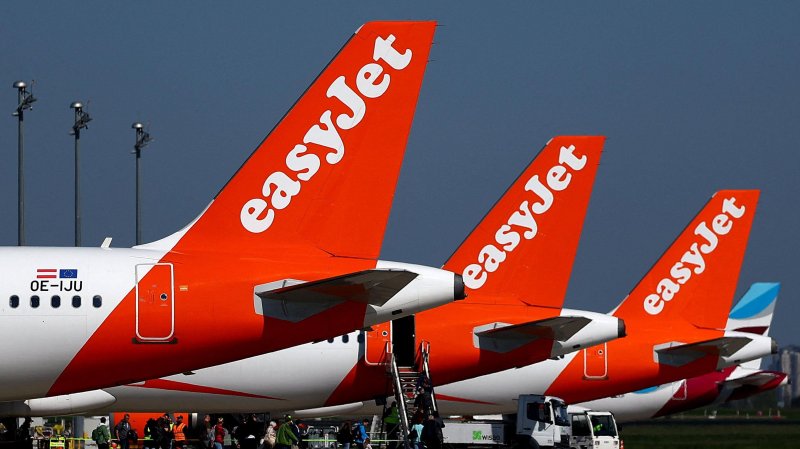
EasyJet has reported that its summer holiday bookings are trailing behind last year’s levels, as ongoing tensions in the Middle East weigh on consumer confidence and travellers increasingly delay making travel plans, News.Az reports, citing the Guardian.
The airline said it was forced to incur an unexpected additional £25 million in jet fuel costs in March following the outbreak of the US-Israel war on Iran.
Despite this, easyJet stressed that it is not facing any disruption to fuel supplies. The company added that it maintains standard visibility of fuel availability on a rolling four-week basis.
RECOMMENDED STORIES
- Iran confirms receipt of US viewpoints in ongoing talks
- EU slashes eurozone growth forecast as energy crisis deepens
- Irina Tsukerman: China is turning the vulnerabilities of the US and Russia into its own diplomatic capital - INTERVIEW
- Asian stocks surge after Nvidia forecast and Samsung strike pause
It also said it does not expect to cancel any additional flights this summer, despite earlier warnings from Ryanair chief executive Michael O’Leary in April that the UK could be the most exposed country in Europe to possible jet fuel shortages if the Strait of Hormuz were to remain closed.
EasyJet urged customers to “book with confidence”, noting that concerns over fuel shortages and potential flight cancellations appeared to be discouraging advance bookings, a trend also highlighted by competitors such as Ryanair.
Chief executive Kenton Jarvis said airlines now have access to a wider range of fuel supply sources. “Fuel supplies are diversifying, we are seeing more production in the Americas and Norway,” he said.
The airline added that customers remain hesitant to book long in advance, with many choosing instead to reserve tickets only in the month of departure.
“We continue to see positive late bookings since the conflict began; however, overall bookings for the summer period are behind where they were at this point last year,” the company said.
EasyJet has hedged 72% of its fuel requirements for the next six months, covering the peak summer season through the end of September. However, it has temporarily suspended short-term hedging due to “elevated near-term fuel prices”.
The airline also reported a pre-tax loss of £552 million for the six months ending 31 March, compared with a £394 million loss in the same period last year. Like many carriers, easyJet typically generates most of its profits in the second half of the year, which includes the peak summer travel season.
In response to higher fuel costs, the company has increased its minimum ticket prices and is reviewing discretionary spending across the business.
Jarvis said the airline remains resilient despite geopolitical uncertainty. “Despite conflict in the Middle East creating near-term uncertainty, easyJet is well placed to manage the current environment, supported by one of the strongest investment-grade balance sheets in European aviation,” he said.
He added: “EasyJet is not seeing any disruption to fuel supply, we continue to operate normally and our customers should book with confidence.”
By Nijat Babayev


Similar news