"Hamas remains a threat, and the war is far from over" – Vladimir Yankelevich


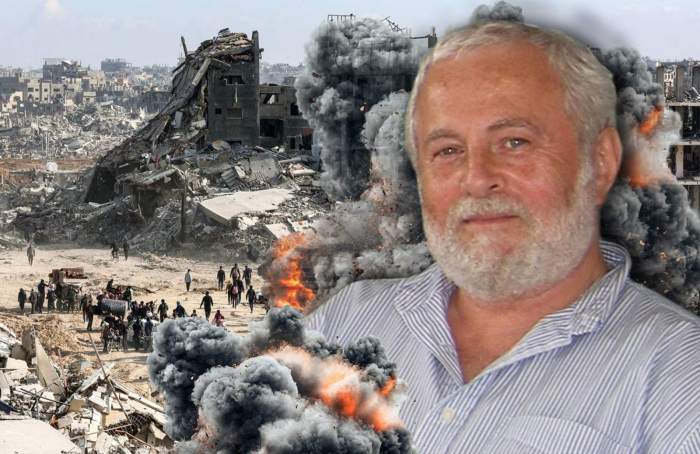
News.Az presents an exclusive interview with Israeli political scientist Vladimir Yankelevich, who shares his insights on the ongoing conflict between Israel and Hamas, the challenges of eliminating the terrorist organization, and the future of the Gaza Strip. He also discusses the broader geopolitical implications, including Egypt’s stance on Gaza's population relocation and the role of U.S. diplomacy in the region. Additionally, Yankelevich highlights the dynamic and growing relationship between Israel and Azerbaijan, emphasizing their strong political, economic, and military-technical cooperation.
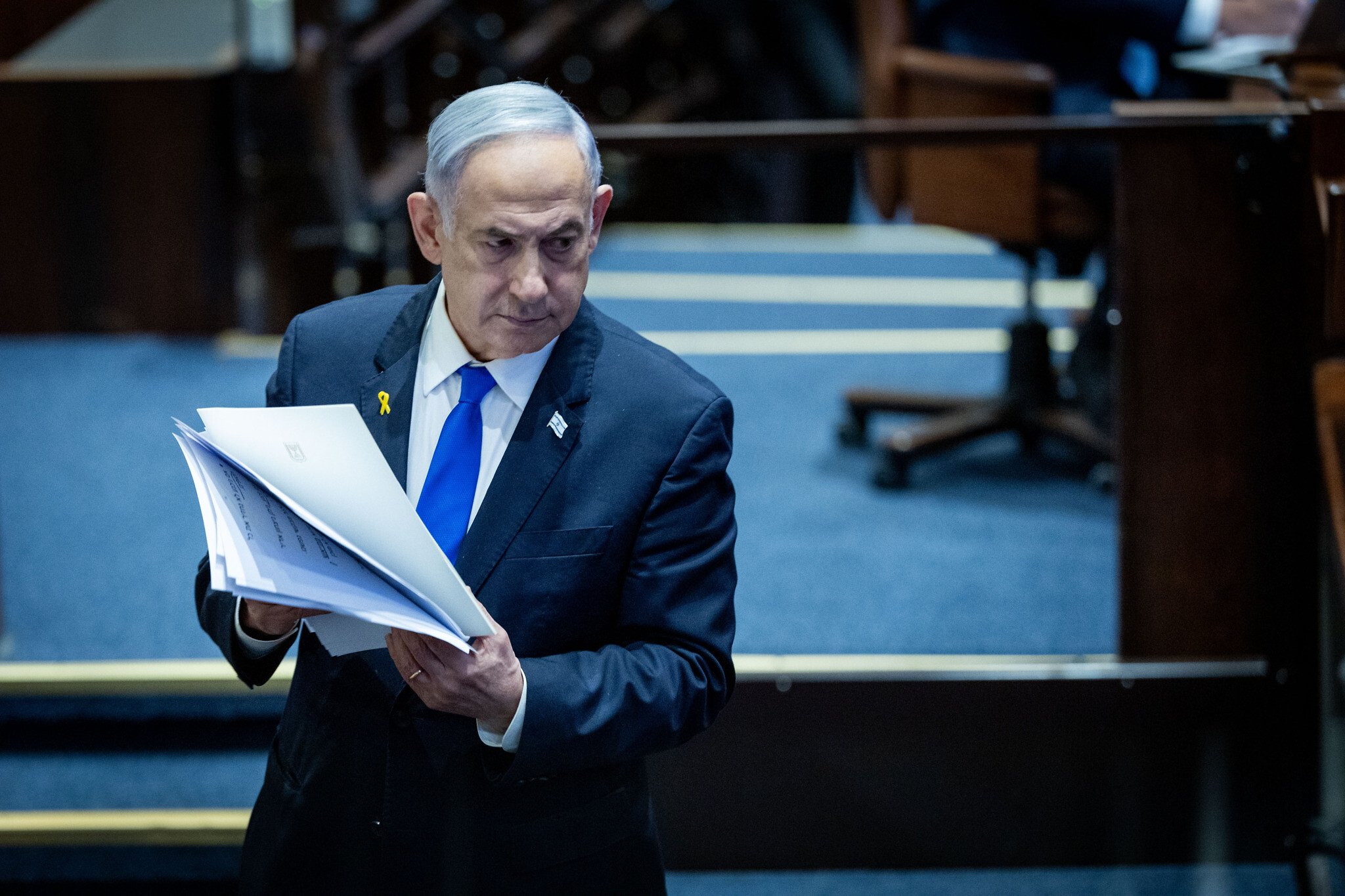
- Despite his promises, Prime Minister Benjamin Netanyahu has clearly failed to eliminate Hamas. How will Israel and Hamas coexist in the Gaza Strip moving forward?
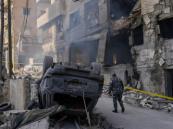
- Hamas still exists, but the war is not over. Israel, along with the U.S., has made it clear that Hamas will not be allowed to govern the Gaza Strip, so the question of coexistence may not even arise. Currently, Gaza is uninhabitable—devastated, with virtually no remaining infrastructure. A significant number of unexploded munitions pose further risks. Experts estimate it will take about ten years to rebuild the region.
In this context, Trump's proposal to relocate Gaza’s population appears feasible. As for Egyptian President Al-Sisi’s emphatic "NO" to this idea, it's important to consider that only about 10% of Egypt’s land is inhabited. The $3 billion in U.S. aid that Egypt receives annually could be a powerful negotiating tool—one that Al-Sisi would likely not want to forfeit. For a country with a population of 120 million, absorbing 1 to 1.5 million Gazans should not pose an existential threat. Al-Sisi has already dismantled the Muslim Brotherhood’s influence, and if needed, he could ensure that Gazans integrate and abide by Egyptian laws. Moreover, what starts as "temporary" settlements in Egypt’s east could very well become permanent.
- Will Hamas continue to pose a threat to Israel despite the temporary ceasefire and the fact that it has been severely weakened?
- Hamas will always pose a threat. That is its very nature. It does not engage in peace agreements—only hudna, an Arabic term meaning a temporary truce. This is not a peace settlement but merely a pause to regroup, rearm, and prepare for the next wave of aggression.
The reality is that the conflict between Israel and Hamas cannot be resolved at the negotiating table because Hamas categorically rejects Israel’s existence. A hudna may give the illusion of peace, but in practice, it serves as a tactical opportunity for Hamas to rebuild its military capabilities. New recruits will be trained, new weapons stockpiled, and new tunnels dug—perpetuating the cycle of violence. This is why eliminating Hamas remains as critical as ever.
- How are Azerbaijani-Israeli relations developing?
- First and foremost, I’d like to highlight that, based on my personal experience, Jews have always lived comfortably in Azerbaijan. There has been no anti-Semitism whatsoever. During my visit to Baku in 2024, I was struck by the warmth and respect shown toward visitors from Israel.
Our nations are guided by two strong leaders—Prime Minister Benjamin Netanyahu and President Ilham Aliyev—who are steering their countries toward prosperity. Israel, as a global leader in high technology, and Azerbaijan, with its vast energy resources, have built a strong and mutually beneficial relationship. Since 2020, trade between our two nations has more than tripled. Military-technical cooperation is also advancing successfully.
However, one area that remains underdeveloped is tourism. Despite the signing of a tourism cooperation agreement between Jerusalem and Baku on March 30, 2022, this sector has not reached its full potential. The high cost of tourism in Israel may be a contributing factor, as ongoing conflicts have driven prices up. Nevertheless, with strategic efforts, there is significant room for growth in this area as well.


Similar news