Hidden risks behind the Dubai meeting of the nuclear five


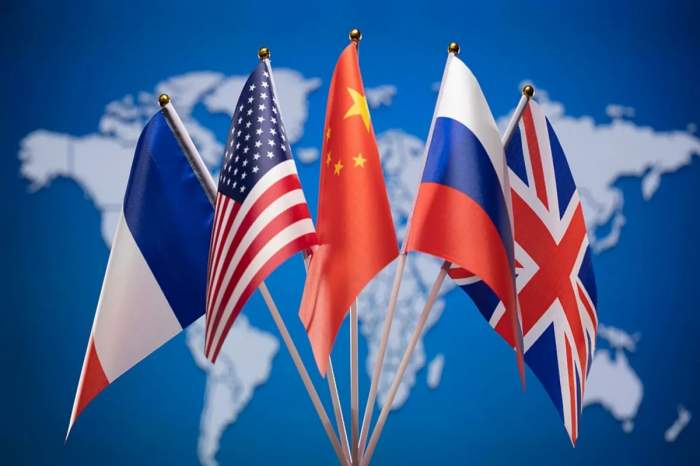
Photo: iStock
On December 10, the Chinese Ministry of Foreign Affairs revealed that an unofficial meeting of the big nuclear five—China, the United States, the United Kingdom, France, and Russia—had taken place on December 4 in Dubai. This revelation comes at a time when the specter of a nuclear conflict looms larger than it has in decades, raising urgent questions about the state of global security and the prospects for peace in an increasingly fragmented world.
While such meetings have been held regularly since 2009, their significance has evolved alongside the shifting geopolitical landscape. Initially focused on the Treaty on the Non-Proliferation of Nuclear Weapons, the scope of these discussions has broadened to encompass the entire spectrum of nuclear issues. However, the lack of transparency surrounding the details leaves room for speculation about the outcomes and the role these meetings play in mitigating nuclear threats.The collapse of key arms control agreements has left the world vulnerable to the unthinkable. The probability of a nuclear conflict is now higher than at any time since the 1980s, when treaties like the Intermediate-Range Nuclear Forces (INF) Treaty provided a semblance of stability. Over the years, successive U.S. administrations have dismantled this architecture. The withdrawal from treaties such as the Anti-Ballistic Missile Treaty, the INF Treaty, and the Open Skies Treaty has significantly weakened global arms control mechanisms.
The New START Treaty, extended under the Biden administration, faces an uncertain future as it approaches its expiration in 2026. The potential for its non-renewal raises concerns about an unchecked arms race, especially in light of statements advocating for an expansion of nuclear arsenals. Without this agreement, the fragile remnants of post-Cold War security could disintegrate entirely, leaving the world in a precarious position.
The growing nuclear capabilities of major powers highlight the resurgence of an arms race. The United States has been actively developing and deploying new systems, while China has significantly increased its nuclear arsenal over the past year. Unlike the U.S. and Russia, China is not bound by any bilateral arms control agreements, enabling it to expand its stockpile unchecked.
Moreover, the potential deployment of medium- and shorter-range missile systems in Europe and Asia further exacerbates tensions. Launchers have already been stationed at military training grounds in Germany, and there are rumors of similar deployments in South Korea and Japan. These developments risk reigniting crises reminiscent of the
Berlin or Cuban Missile Crisis, pushing the world closer to catastrophe.
Another alarming trend is the potential proliferation of nuclear weapons to additional states. The deployment of tactical nuclear warheads in Europe has already raised questions about compliance with the Nuclear Non-Proliferation Treaty (NPT). A further escalation could see the emergence of new nuclear powers, such as Iran or even Israel, significantly increasing instability in already volatile regions.
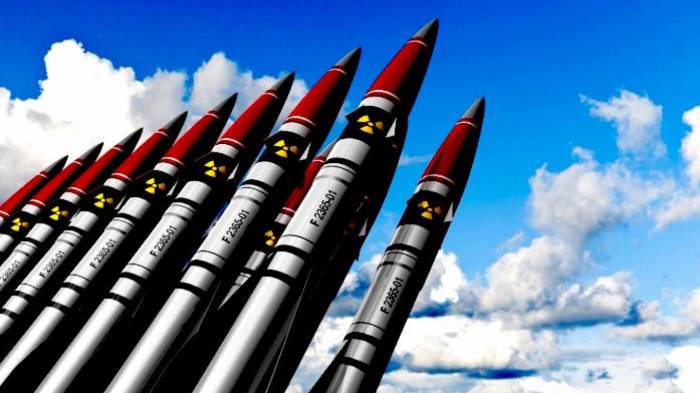
Photo: Shutterstock
Equally troubling is the erosion of the global taboo against the use of nuclear weapons. Younger generations, unburdened by the memories of the Cold War, lack the visceral fear that once served as a deterrent. As doctrines evolve and the threshold for nuclear use lowers, the unthinkable becomes increasingly conceivable. What was once a last resort could soon become just another tool in the arsenal of international conflict.
Against this grim backdrop, the Dubai meeting represents a rare flicker of hope. While no binding decisions can be made at such gatherings, they provide a vital forum for dialogue. This platform allows nuclear powers to exchange expert opinions and express strategic concerns in a way that political rhetoric often fails to achieve. In an era dominated by escalating tensions, these conversations are more necessary than ever.
Yet, dialogue alone is not enough. The international community must urgently rebuild the mechanisms of arms control that have been systematically dismantled. The risks of inaction are too great. A renewed arms race, the proliferation of nuclear weapons, and the normalization of their use create a trifecta of threats that could plunge the world into a conflict of unparalleled devastation.
The lessons of the Cold War must not be forgotten. The precarious balance of power that prevented nuclear annihilation for decades was not a product of chance but of concerted effort and diplomacy. Rebuilding this balance will require courage, creativity, and an unwavering commitment to peace.
The Dubai meeting is a reminder that the nuclear powers can still come together, even in the most challenging of times. But it is also a call to action. The world cannot afford to wait for the next crisis to act. The time to reverse course is now—before the unthinkable becomes inevitable.
(If you possess specialized knowledge and wish to contribute, please reach out to us at opinions@news.az).


Similar news