Iran opens new directions for oil exports


By Asif Aydinli
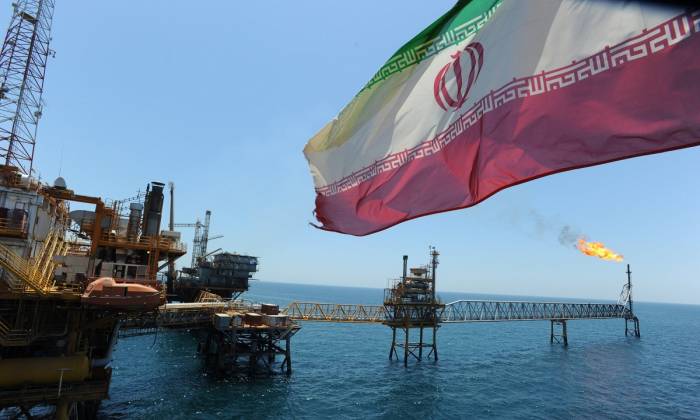
Iran continues to actively expand the geography of its oil exports despite ongoing sanctions from the United States and the international community. In recent months, Tehran has intensified its efforts to find new markets, effectively adapting to challenging conditions and finding ways to circumvent sanction barriers. Amidst sanctions and economic pressure, Iran demonstrates resilience and flexibility, ensuring stable oil supplies to international markets.One of Iran's significant steps has been the opening of new export destinations. For the first time, oil was sent to countries such as Bangladesh and Oman . It is reported that small batches of Iranian oil were delivered to these countries in early 2024.
The American human rights group United Against Nuclear Iran (UANI) recorded that the Liberian-flagged tanker Golden Eagle, which previously loaded oil from Iran’s Kharg Island, transferred part of its cargo onto smaller tankers near the port of Chittagong in Bangladesh. Although the Bangladeshi state oil corporation denies purchasing this cargo, the exact buyer remains unknown.
Additionally, Iranian oil was delivered to the Omani port of Sohar. In June 2024, a tanker carrying presumably Iranian oil arrived at the port after a ship-to-ship transfer.
An interesting aspect of Iran's new strategy is the reduction in supply volumes to Syria, traditionally an important market for Iranian oil. In 2024, supplies averaged 57.19 thousand barrels per day, significantly lower than the peak values of 2022, when they reached 147 thousand barrels per day. This indicates that Iran is seeking more profitable and stable export destinations, reducing its reliance on a single market.
Iran is not only diversifying the geography of its supplies but also increasing its oil production. According to OPEC data, in 2024, oil production in Iran exceeded 3.2 million barrels per day, the highest figure since 2018. Iranian oil exports also reached new highs, stabilizing at around 1.5 million barrels per day.
These figures highlight the importance of oil to the Iranian economy, which continues to be the main source of income for the country. In an effort to bypass U.S. sanctions imposed by former President Donald Trump in 2018, Iran uses complex schemes to rebrand oil destined for China, labeling it as oil from other countries such as Malaysia, Oman, or the UAE.
The activation of Iranian exports could have a significant impact on the global oil market, causing price fluctuations and altering the balance of supply and demand. In these circumstances, other oil-producing countries are forced to take into account Iran's increased activity and its strategy to expand markets.
The ongoing increase in production and export of oil makes Iran one of the key players in the global oil market. This strategy, aimed at maintaining and increasing revenue, is crucial for the Iranian economy, especially under strict international sanctions. However, Iran’s active attempts to bypass sanctions create both new opportunities and risks for the country and its partners.
On the one hand, Iran's success in finding new markets and circumventing sanctions strengthens its economic stability and enhances its negotiating position with the international community. On the other hand, such actions could lead to increased international pressure, including tighter sanctions or the imposition of additional restrictions by the United States and its allies. This, in turn, could negatively impact Iran’s trading partners, who may face legal and economic consequences for cooperating with it.
Furthermore, the expansion of Iran’s supply geography and increased production could shift the balance in the global oil market, potentially causing price fluctuations and creating new uncertainties for global energy policy. In this context, Iran’s strategy requires constant analysis and flexibility to cope with new challenges and seize emerging opportunities. The international community, in turn, will need to closely monitor Iran's actions and respond to them to avoid potential negative consequences for the global economy and stability.


Similar news