Over 1 million in Paris region face major flood risk: Study


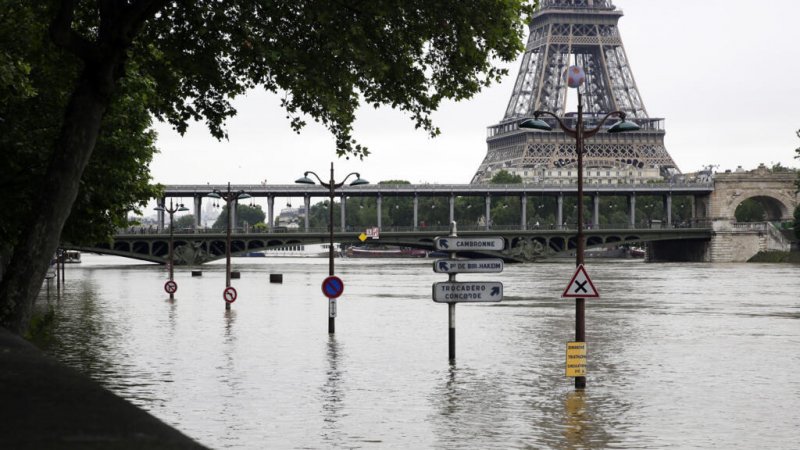
More than 1 million people in the Paris region are living in areas directly exposed to the risk of a major flood similar to the historic 1910 Seine flood, according to a study published on Monday by the Paris Region Institute (IPR), News.Az reports, citing Anadolu.
The report found that over 1 million residents—representing more than 8% of the population of the Île-de-France region—are vulnerable to severe flooding caused by the overflow of the Seine and Marne rivers.
Nearly 555,000 homes, mostly apartment buildings, are located in flood-prone areas. The study warned that the slow-rising nature of the region’s rivers could still lead to widespread disruption and damage.
RECOMMENDED STORIES
The findings highlight the importance of identifying and informing vulnerable populations about flood risks, especially in light of the devastating 1910 Seine flood, when water levels rose above 1 meter and submerged many neighborhoods for weeks.
The study noted that Paris and its inner suburbs account for more than 70% of those potentially exposed to major flooding.
Within Paris, the 15th arrondissement has the highest number of residents at risk, with nearly 70,000 people living in vulnerable areas, particularly around the Beaugrenelle district along the Seine.
The municipality of Alfortville, southeast of Paris, is proportionally the most exposed area in the region, with around 45,000 residents at risk. Other highly exposed municipalities include Asnières-sur-Seine, Gennevilliers, Colombes, and Créteil.
The report also found that more than 100,000 homes have been built in flood zones since the introduction of the first flood risk prevention plans in the early 2000s.
While these plans have helped limit urban expansion into high-risk areas, the study said increasing housing density in flood-prone districts remains a challenge.
It also warned that people living above ground level would not necessarily be safe from a major flood, citing possible disruptions to electricity, drinking water supplies, and transport networks.
Separate projections by the Paris Urban Planning Workshop estimate that a flood on the scale of the 1910 disaster could affect 600,000 people across Greater Paris, leave 5 million residents without drinking water, and cut electricity supply to 1 million people.
By Nijat Babayev


Similar news