How space physics is driving smarter satellite 5G design


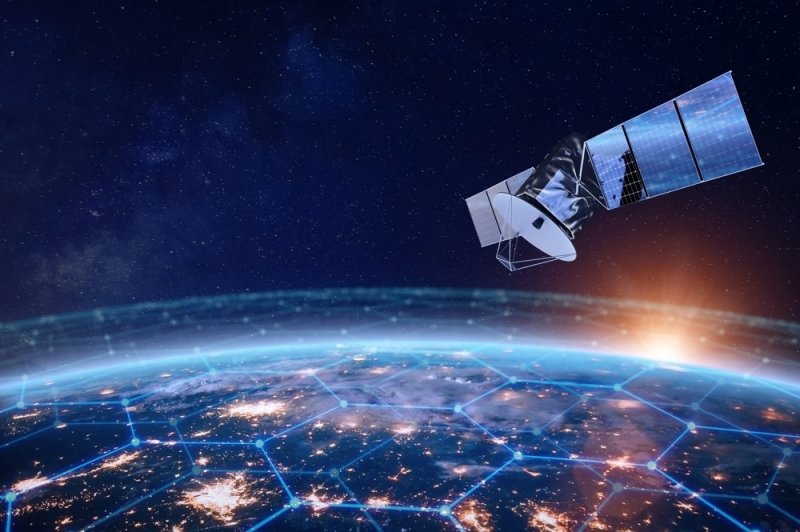
The race to bring 5G connectivity to orbit is usually framed as a battle of launch numbers and constellation sizes. However, engineers are running into a formidable, unchanging barrier that cannot be fixed with software updates: the brutal physics of space.
Building a non-terrestrial 5G network means dealing with massive distances, rapid satellite movement, and the Doppler effect distorting radio frequencies. Worse yet, standard terrestrial 5G hardware simply isn't built to survive launch vibrations, radiation, extreme vacuums, or intense thermal limits where there is no air to cool spinning processors, News.Az reports, citing Telecoms.
Because of these harsh realities, the physical layer—the hardware responsible for converting data bits into radio signals and back again—has become the ultimate battleground for innovation. In space, signals arriving from fast-moving low-Earth-orbit (LEO) satellites arrive incredibly weak and constantly shift in frequency.
RECOMMENDED STORIES
Solving this isn't as simple as packing more hardware onto a rocket. Satellites operate under rigid weight and power constraints, making signal processing one of the heaviest drains on onboard energy. Success is no longer measured by whether a system merely works, but by how much capacity it can squeeze out of every single watt and slice of spectrum.
The industry is also moving away from old, proprietary satellite systems toward open 5G standards that allow everyday smartphones, cars, and IoT devices to connect directly to orbit. However, standardizing the signal is only half the battle. Building these networks requires an intricate jigsaw puzzle of specialized components from multiple vendors that must work flawlessly together under strict thermal and power limits.
Ultimately, space 5G is proving that orbital connectivity cannot be solved by brute force or just launching more satellites. It requires a return to first principles and intelligent engineering under constraint—lessons that will likely reshape network design back on Earth as the industry looks ahead to 6G.
By Aysel Mammadzada


Similar news