Kazakhstan to join BRICS as a partner: What will it bring? - INTERVIEW


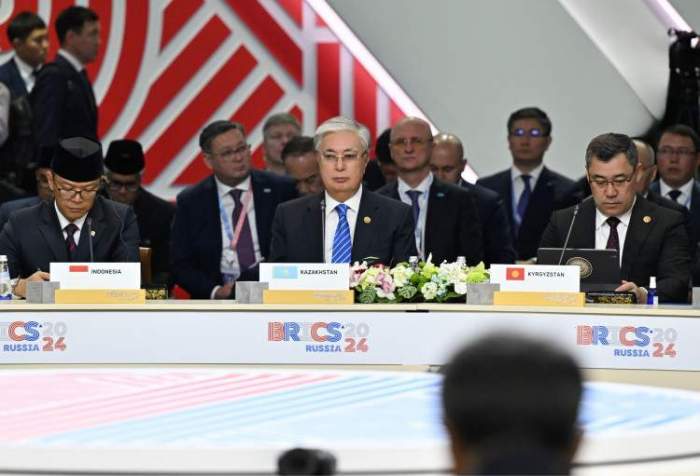
akorda.kz
On January 1, 2025, Kazakhstan will officially become a BRICS partner country, opening the door to a variety of opportunities in key sectors.
This status provides access to critical financial and economic mechanisms of the organization, including the BRICS New Development Bank (NDB). Through this partnership, Kazakhstan can secure loans on more favorable terms for infrastructure and sustainable development projects, potentially accelerating economic growth in strategic areas such as transportation, energy, and agriculture.In addition to economic benefits, Kazakhstan's partnership with BRICS strengthens its political and trade ties with major developing nations, including Russia, China, and India. This collaboration offers a pathway to diversify foreign trade and reduce reliance on Western financial systems like SWIFT and VISA. Amid mounting pressure from Western countries, the partnership enhances Kazakhstan's independence on the global stage, offering alternative routes for diplomacy and economic transactions.
Moreover, the partnership allows Kazakhstan to influence global geopolitical processes, advocate for a multipolar world, and contribute to the creation of new international norms—critical for a country focused on maintaining sovereignty and a balanced foreign policy. To explore the implications of this development, News.Az spoke with Kazakh blogger Alzhan Ismagulov.
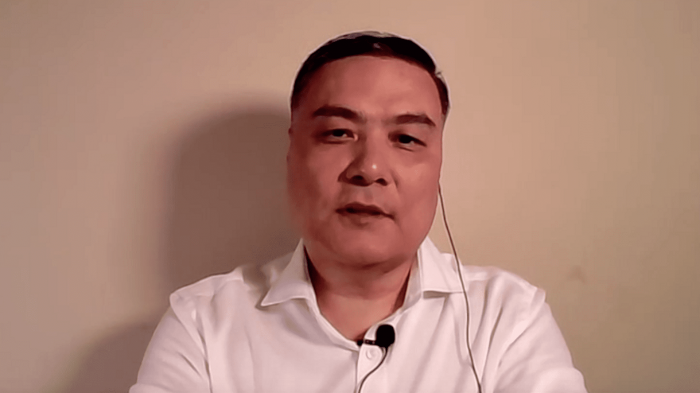
- What role does Kazakhstan plan to play as a BRICS partner? What priorities will guide its cooperation?
- Kazakhstan’s decision to join BRICS as a partner country marks a strategic step. Unlike full membership, partner status provides flexibility, as it does not involve the full range of BRICS structural responsibilities. This arrangement enables Kazakhstan to navigate the geopolitical landscape more independently.
Kazakhstan’s role in BRICS aligns with President Kassym-Jomart Tokayev’s “middle powers” concept. This framework emphasizes the importance of allowing smaller states to have a say in global decision-making, counterbalancing the influence of superpowers. This vision mirrors the multipolar world concept championed by Russian President Vladimir Putin.
Kazakhstan’s cooperation priorities will center on safeguarding its sovereign and national interests. However, it is essential to distinguish “national interests” from “nationalism,” as the two represent fundamentally different ideologies. Additionally, Kazakhstan is likely to maintain a system of checks and balances to prevent any excessive concentration of influence. Moderation will remain a hallmark of its geopolitical approach.
- What benefits does Kazakhstan expect from BRICS partnership, and how will this impact its foreign policy and economy?
- BRICS offers well-established financial mechanisms, such as the NDB, which will provide Kazakhstan with opportunities to access affordable financing for infrastructure and sustainable development projects. Additionally, alternatives to Western financial systems—like BRICS PAY, which includes replacements for SWIFT, VISA, and MasterCard—shield Kazakhstan from potential economic coercion.
Amid escalating tensions with Western nations, these systems reduce Kazakhstan's vulnerability to sanctions or exclusion from global financial networks, bolstering its economic and political resilience.
- Could the BRICS partner status pave the way for Kazakhstan’s full membership?
- This largely depends on how beneficial Kazakhstan finds full BRICS membership. Currently, the distinctions between partner status and full membership remain unclear, as the partner framework was only introduced in October 2024 at the Kazan summit.
Thirteen countries, including Kazakhstan, have acquired this status. It appears tailored for nations hesitant to directly oppose the unipolar Anglo-Saxon world order yet seeking alternatives amid growing U.S. pressure.
Should these distinctions become more apparent, or if external pressures lessen, Kazakhstan might reconsider full membership. For now, however, President Tokayev remains cautious, weighing the risks and benefits of a deeper commitment to BRICS.
- What steps does Kazakhstan plan to take to enhance cooperation with BRICS in areas like trade, investment, and economics?
- At this stage, no specific plans have been outlined for collaboration within BRICS itself. Instead, Kazakhstan continues to engage with BRICS members through bilateral agreements and other frameworks like the CIS and EAEU.
President Tokayev’s fluctuating stance on BRICS complicates predictions about long-term cooperation. While he initially expressed interest in full membership in 2023, by late 2024, Kazakhstan announced its decision to join BRICS as a partner, citing the complexity of membership considerations.
Although the January 2025 partnership signals a new phase of engagement, Kazakhstan has yet to define its strategy for economic, trade, or investment collaboration within BRICS. For now, bilateral agreements remain the primary avenue for cooperation with member nations.


Similar news